Modern life can make it difficult to create enough time for rest, reflection, and healthy routines.
Wellness retreats provide an opportunity to step away from everyday responsibilities and focus on physical relaxation, mental clarity, mindful practices, and overall well-being.
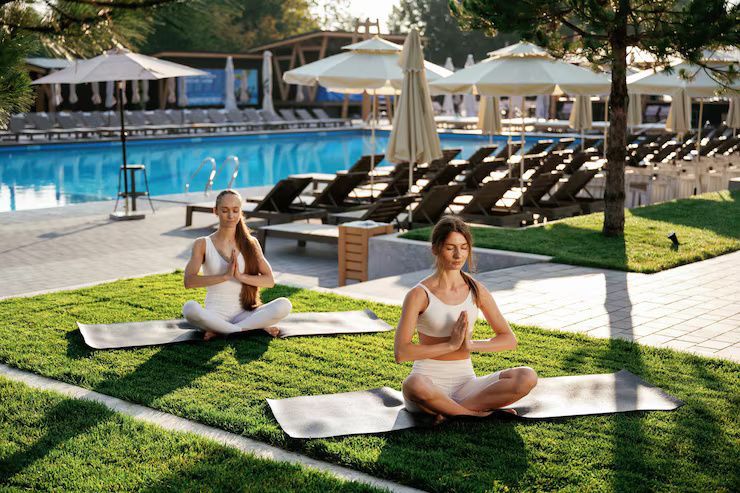
Unlike a conventional vacation that may revolve around sightseeing or entertainment, a wellness retreat is generally structured around restorative experiences. Activities may include meditation, yoga, nutritious meals, nature experiences, fitness sessions, spa treatments, breathing exercises, and educational programs related to healthy living.
Wellness retreats vary considerably in their approach, setting, schedule, and level of structure. Some emphasize quiet reflection and mindfulness, while others focus on physical fitness, nutrition, sleep, or holistic well-being. Understanding these differences can help travelers identify an experience that matches their personal goals.
What Is a Wellness Retreat?
A wellness retreat is a planned getaway designed to support aspects of physical, mental, and emotional well-being through organized activities and restorative environments.
Retreats may take place in mountain regions, coastal destinations, forests, rural properties, or purpose-built wellness centers. The surrounding environment is often an important part of the experience because natural settings can encourage relaxation and provide opportunities for outdoor activities.
A typical retreat may combine several elements:
- Mindfulness and meditation
- Yoga and movement
- Healthy meals
- Relaxation therapies
- Nature activities
- Sleep-focused routines
- Fitness sessions
- Educational workshops
- Personal reflection
The exact combination depends on the retreat's philosophy and program.
Why People Choose Wellness Retreats
People participate in wellness retreats for many different reasons. Some want a break from demanding routines, while others want to establish healthier habits or spend uninterrupted time focusing on personal well-being.
Common objectives include:
- Reducing everyday stress
- Improving relaxation
- Developing mindfulness
- Supporting healthier routines
- Spending more time outdoors
- Improving sleep habits
- Exploring nutrition
- Practicing physical movement
- Creating time for personal reflection
A retreat does not automatically resolve long-term lifestyle challenges. Its value often comes from providing a structured environment where people can pause, reflect, and experiment with routines they may later incorporate into everyday life.
Mindfulness and Mental Relaxation
Mindfulness is an important component of many wellness retreats. It involves paying attention to present experiences with greater awareness rather than constantly focusing on past events or future responsibilities.
Retreat programs may introduce practices such as:
Meditation
Guided or independent meditation sessions can encourage participants to focus their attention and develop greater awareness of thoughts and sensations.
Breathing Exercises
Controlled breathing practices may be incorporated into meditation, yoga, or relaxation sessions to encourage calm and focused attention.
Quiet Reflection
Some retreats include periods without scheduled activities. These quiet intervals allow participants to read, walk, journal, or simply spend time away from constant digital stimulation.
The objective is generally to develop practical habits rather than create a temporary escape that disappears immediately after returning home.
Physical Wellness Activities
Wellness retreats can also incorporate movement and physical activities designed to suit different fitness levels.
Common options include:
- Yoga
- Stretching
- Walking
- Hiking
- Swimming
- Mobility exercises
- Strength training
- Low-impact fitness
The focus varies considerably. A retreat centered on relaxation may use gentle movement, while a fitness-oriented program may include more structured physical sessions.
Participants should consider their existing fitness level and any relevant health considerations when selecting activities.
Nutrition and Healthy Eating
Food is another important component of many wellness programs. Rather than focusing exclusively on restrictive diets, contemporary wellness approaches often emphasize balanced nutrition and greater awareness of eating habits.
Meals may include vegetables, fruits, whole grains, legumes, lean proteins, and other nutrient-rich ingredients. Some programs also provide educational sessions covering meal planning, hydration, mindful eating, or nutrition fundamentals.
Dietary preferences and restrictions should be communicated in advance so participants can determine whether a particular program is appropriate for their needs.
What Makes a Luxury Wellness Retreat Different?
A Luxury Wellness Retreat generally combines wellness-focused programming with a more private, comfortable, or highly personalized environment.
The emphasis may include:
- Private or quieter accommodations
- Personalized wellness schedules
- Spa and relaxation facilities
- Specialized fitness areas
- Carefully designed dining experiences
- Nature-focused surroundings
- Individual wellness consultations
- More flexible daily routines
However, luxury does not necessarily mean that an experience is more beneficial. The most appropriate retreat depends on the individual's goals, preferred environment, activities, and expectations.
Understanding a Luxury Wellness Vacation
A Luxury Wellness Vacation combines the restorative focus of wellness travel with the broader experience of a destination vacation.
Instead of dedicating the entire trip to structured wellness sessions, travelers may divide their time between wellness activities and leisure experiences.
A program might include morning yoga, a healthy breakfast, outdoor exploration, relaxation time, and an evening meditation session. This format can suit people who want wellness to be part of their travel experience without following a highly structured retreat schedule.
Choosing the Right Wellness Retreat
The right retreat depends on what you want to achieve and how you prefer to spend your time.
Consider the Main Objective
Determine whether your primary interest is relaxation, mindfulness, fitness, nutrition, sleep, nature, or a combination of these areas.
Examine the Daily Schedule
Some retreats have highly structured timetables, while others provide substantial free time. Review the schedule to determine whether its pace suits you.
Consider the Location
A forest retreat may provide a different atmosphere from a coastal or urban wellness center. Consider climate, accessibility, surroundings, and the types of outdoor activities available.
Review the Program Approach
Look at the qualifications and experience of instructors or practitioners involved in the program. Wellness terminology can cover a wide range of practices, so understanding what is actually included is important.
Think About Duration
Short retreats may provide a concentrated break from routine, while longer programs allow more time to establish and practice new habits.
Comparing Different Wellness Retreat Styles
| Retreat Style | Main Focus | Typical Activities |
|---|---|---|
| Mindfulness Retreat | Mental awareness | Meditation, breathing, reflection |
| Fitness Retreat | Physical activity | Exercise, movement, outdoor activities |
| Yoga Retreat | Movement and mindfulness | Yoga, meditation, stretching |
| Nutrition Retreat | Healthy eating | Nutrition education, balanced meals |
| Nature Retreat | Connection with nature | Hiking, walking, outdoor reflection |
| Luxury Wellness Retreat | Personalized relaxation | Spa experiences, wellness sessions, leisure |
These categories can overlap, and many retreats combine multiple approaches within one program.
Preparing for a Wellness Getaway
Preparation can make the transition from everyday life to a retreat environment easier.
Before traveling, consider reducing unnecessary commitments and planning how you will manage work or communication responsibilities. If the retreat includes physical activities, review the schedule and bring appropriate clothing and equipment.
It can also be helpful to establish realistic expectations. A Wellness Getaway is not necessarily about achieving a dramatic transformation in a few days. It can instead provide time to rest, learn, reflect, and identify routines that may be useful after returning home.
Digital Detox and Personal Space
Constant notifications and online communication can make genuine rest difficult. For this reason, some wellness retreats encourage limited device use.
A digital break can create more opportunities for:
- Reading
- Meditation
- Conversation
- Outdoor activities
- Journaling
- Quiet reflection
- Uninterrupted sleep
Digital detox does not need to mean completely abandoning technology. Even designated periods without phones or social media can create a greater sense of mental space.
Common Mistakes to Avoid
Choosing a wellness retreat based only on attractive surroundings can lead to an experience that does not match personal goals.
Other common mistakes include:
- Selecting a program without reviewing its schedule
- Choosing activities beyond your comfort or fitness level
- Expecting immediate long-term transformation
- Ignoring dietary or accessibility requirements
- Packing an overly busy personal itinerary
- Failing to allow quiet time
- Treating wellness practices as substitutes for professional healthcare
A retreat should complement a healthy lifestyle rather than replace appropriate medical or mental healthcare when needed.
Trends Shaping Wellness Retreats
The wellness travel sector continues to evolve as travelers look for more personalized and meaningful experiences.
Emerging themes include:
- Nature-based wellness
- Sleep-focused programs
- Mindfulness and meditation
- Digital detox experiences
- Personalized nutrition
- Sustainable retreat practices
- Small-group programs
- Outdoor wellness activities
- Holistic lifestyle education
There is also increasing interest in bringing retreat-inspired practices into everyday routines rather than treating wellness as something limited to a single vacation.
Frequently Asked Questions
What is the main purpose of a wellness retreat?
The main purpose is to create dedicated time for relaxation, mindfulness, healthy routines, physical activity, and personal well-being in a structured environment.
What activities are commonly included in wellness retreats?
Activities can include meditation, yoga, breathing exercises, fitness, nature walks, healthy meals, relaxation sessions, educational workshops, and periods of quiet reflection.
What is a Luxury Wellness Getaway?
A Luxury Wellness Getaway combines wellness-focused activities with a comfortable destination experience, often allowing more flexibility between structured sessions and leisure time.
How long should a wellness retreat be?
There is no universal ideal duration. A shorter program may provide a concentrated break, while a longer retreat can provide more time to practice and develop new routines.
Can wellness retreat practices continue after returning home?
Yes. Participants can continue useful practices such as meditation, regular movement, mindful eating, improved sleep routines, and scheduled periods away from digital distractions.
Conclusion
Wellness retreats provide a structured opportunity to step away from everyday routines and focus on relaxation, mindfulness, movement, nutrition, and personal well-being. From quiet meditation programs to active nature retreats and a Luxury Wellness Vacation, different formats serve different interests and lifestyles.
Choosing an appropriate retreat requires looking beyond the destination itself. The program structure, activities, environment, duration, wellness philosophy, and personal objectives all influence the overall experience. A thoughtful Wellness Getaway can provide more than temporary relaxation by helping individuals discover practical habits that can be adapted to everyday life.
Ultimately, the most meaningful wellness experience is one that supports realistic goals, encourages balanced routines, and creates space for rest and reflection without promising unrealistic results.