
Accommodation in Vietnam includes a wide range of places to stay, from budget guesthouses and city hotels to beachfront resorts, boutique properties, serviced apartments, and rural homestays. The country's accommodation sector has developed alongside its tourism industry, which attracts visitors interested in beaches, cultural heritage, food, nature, and urban experiences.
Vietnam stretches from the mountainous northern regions to the tropical south, with a long coastline and several major cities. This geographic diversity influences accommodation choices. Visitors may prefer a city hotel in Hanoi, a beachfront resort in Da Nang, a riverside homestay in the Mekong Delta, or a mountain lodge near Sa Pa.
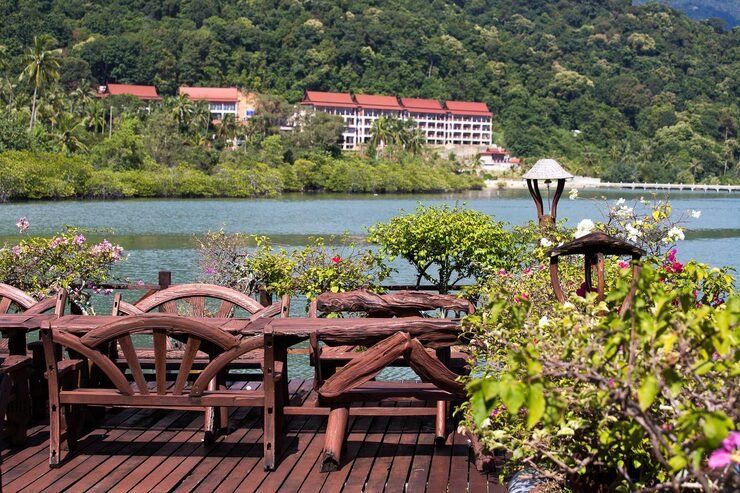
Accommodation selection depends on several factors, including travel dates, location, room facilities, transportation, length of stay, and personal preferences. Understanding the available property types and regional differences helps travelers plan their stays according to their itinerary.
Main types of accommodation in Vietnam
Vietnam offers several common accommodation categories.
Hotels: Available in major cities, smaller towns, and tourist areas, ranging from simple rooms to full-service properties with restaurants and recreational facilities.
Beach resorts: Common in destinations such as Da Nang, Nha Trang, Phu Quoc, and Mui Ne. They may include swimming pools, beachfront access, dining facilities, and organized activities.
Boutique hotels: Smaller properties that often emphasize distinctive architecture, interior design, or a particular neighborhood's character.
Hostels and guesthouses: Often chosen by backpackers, solo travelers, and visitors seeking basic accommodation and shared social spaces.
Homestays: Provide accommodation in residential or rural settings, sometimes with opportunities to experience local food, farming, or traditional lifestyles.
Serviced apartments: Include facilities such as a kitchen, living area, and laundry arrangements, making them suitable for extended stays.
Eco-lodges and nature retreats: Located in or near forests, mountains, national parks, and rural landscapes.
Facilities and standards vary considerably within each category. The property description, recent guest feedback, location, and room conditions are important when comparing accommodation options.
How Vietnam's accommodation sector developed
Tourism growth, improved transportation, urban development, and international travel have contributed to the expansion of accommodation throughout Vietnam. Hanoi and Ho Chi Minh City have developed extensive hotel markets, while coastal destinations have attracted hotels and resorts catering to domestic and international visitors.
Smaller destinations have also expanded their accommodation choices. Areas around Ha Long Bay, Ninh Binh, Hoi An, and the northern mountains include guesthouses, boutique hotels, homestays, and nature-oriented properties.
Online booking platforms have changed how travelers compare rooms and arrange stays. Digital listings allow users to examine photographs, facilities, location information, cancellation conditions, and guest reviews before making a reservation.
Importance of Accommodation When Planning a Vietnam Trip
Accommodation affects more than where a traveler sleeps. Its location can influence transportation requirements, access to attractions, daily schedules, meal arrangements, and the overall character of a trip.
For example, staying near Hanoi's Old Quarter can make it easier to explore historic streets and local restaurants. A coastal property in Da Nang may suit visitors who want time at the beach, while a rural homestay near Ninh Binh may provide access to limestone landscapes and countryside activities.
Choosing accommodation by travel purpose
Different travel styles call for different arrangements.
Cultural sightseeing: Hotels in central Hanoi, Hue, or Hoi An can provide convenient access to historic landmarks and museums.
Beach holidays: Resorts and coastal hotels in Phu Quoc, Da Nang, or Nha Trang provide access to beaches and water-based activities.
Nature exploration: Lodges and homestays near Sa Pa, Ha Giang, or Ninh Binh can suit travelers interested in scenery and outdoor activities.
Family travel: Larger rooms, connecting rooms, swimming pools, and convenient transportation may be important.
Business travel: City hotels and serviced apartments may provide workspaces, reliable internet, meeting facilities, and access to commercial districts.
Extended stays: Serviced apartments may offer kitchen facilities and laundry arrangements that support longer visits.
The most suitable location depends on the itinerary. A property far from major attractions may require additional transportation, even if its room facilities appear attractive.
Factors to compare before reserving a room
Travelers can compare accommodation using a consistent set of criteria.
Factor | What to examine |
|---|---|
Location | Distance from attractions, airports, beaches, and transport |
Room facilities | Air conditioning, bathroom, internet, and storage |
Reservation terms | Cancellation policy, payment conditions, and check-in rules |
Guest feedback | Recent comments about cleanliness, noise, and staff |
Accessibility | Lifts, ramps, room access, and transport availability |
Food arrangements | Breakfast, nearby restaurants, and dietary options |
Seasonal conditions | Weather, local events, and expected visitor demand |
Room descriptions should be read carefully. A property described as being near the beach or city center may still require a walk or vehicle journey, depending on its exact location.
Popular Accommodation Destinations in Vietnam
Vietnam's main destinations offer different accommodation experiences, shaped by geography, local culture, and visitor activities.
Hanoi
Hanoi, the capital, combines historic architecture, museums, traditional markets, lakes, and a varied food scene. The Old Quarter is a common base for visitors interested in exploring the city on foot, while other districts may suit travelers seeking quieter surroundings or longer stays.
Accommodation includes boutique hotels, larger city properties, hostels, and serviced apartments. Traffic conditions and street noise can vary by neighborhood, making the exact location important.
Ho Chi Minh City
Ho Chi Minh City is a major commercial and cultural center in southern Vietnam. Visitors can explore museums, markets, historic buildings, restaurants, and entertainment districts.
District 1 is popular for central sightseeing, while other districts provide different residential environments and access to commercial areas. Business travelers may prioritize transport connections, meeting facilities, and workspace arrangements.
Da Nang and Hoi An
Da Nang is known for its coastline, urban facilities, and access to nearby attractions. Accommodation includes beachfront resorts, city hotels, apartments, and smaller guesthouses.
Hoi An is recognized for its historic town, traditional architecture, and riverside setting. Boutique hotels and homestays are common choices, with some properties located in the historic center and others in nearby countryside or coastal areas.
Phu Quoc and Nha Trang
Phu Quoc is an island destination known for beaches, resort developments, and nature-oriented activities. Accommodation ranges from smaller guesthouses to larger properties with extensive recreational facilities.
Nha Trang is a coastal city with a long beachfront, island excursions, and a developed hotel sector. Travelers can choose between properties close to the waterfront and accommodation farther inland.
Sa Pa and Ninh Binh
Sa Pa, in northern Vietnam, is known for mountain scenery, trekking routes, and terraced agricultural landscapes. Hotels, lodges, and homestays provide different ways to experience the region.
Ninh Binh is associated with limestone formations, waterways, temples, and rural scenery. Homestays and small hotels around areas such as Tam Coc can provide convenient access to boat trips and countryside exploration.
Recent Updates and Accommodation Trends
Vietnam's accommodation sector continues to adapt to changing travel preferences, digital booking habits, and developments in tourism infrastructure. Trends during 2024–2026 include greater use of online reservation systems, interest in longer stays, and continued demand for a mix of urban, coastal, and nature-based accommodation.
Digital booking and property information
Online booking platforms allow travelers to compare accommodation by location, room category, facilities, guest ratings, and reservation conditions. Many properties also use digital check-in processes, electronic payments, messaging tools, and mobile-based guest information.
However, listing details can change, and photographs do not always show every aspect of a room or property. Travelers should review the complete description and confirm important requirements directly through their chosen booking channel.
Sustainable and experience-based stays
Some travelers are increasingly interested in accommodation that reflects local architecture, food, culture, and environmental practices. This has contributed to interest in homestays, rural lodges, and properties that incorporate locally sourced materials or resource-management measures.
Claims about sustainability vary in scope. A property's environmental practices are best assessed through specific information about energy, water, waste, and community involvement rather than general labels alone.
Longer stays and flexible accommodation
Remote work, extended holidays, and multi-destination itineraries have increased interest in serviced apartments and properties with kitchen facilities, laundry access, and reliable internet. These arrangements can be particularly relevant in major cities and destinations with established residential neighborhoods.
Availability and demand fluctuate by location and season. Coastal destinations may experience different visitor patterns from business centers, while public holidays and major local events can influence room availability.
Laws and Policies Affecting Accommodation in Vietnam
Accommodation businesses in Vietnam operate within a regulatory framework covering tourism, business registration, public safety, security, and taxation. Requirements depend on the type of property and the activities it undertakes.
Tourist accommodation regulations
Vietnam's tourism legislation includes the Law on Tourism, which establishes a framework for tourism activities and accommodation businesses. Properties must comply with applicable requirements relating to their operating category, facilities, and declared standards.
Travelers may encounter hotels, tourist villas, tourist apartments, guesthouses, and other recognized accommodation categories. The category and facilities of a property can influence the services and amenities available, so the listing should be examined rather than relying only on its name.
Guest registration and safety
Accommodation providers in Vietnam have obligations relating to guest identification and temporary residence registration under applicable rules. International visitors may be asked to provide passport and entry information during check-in.
Fire prevention, building safety, and other operational requirements may apply according to the property type and current regulations. Visitors should follow the property's safety instructions and review emergency exits and evacuation information where available.
Booking conditions and consumer protection
Reservation terms determine payment timing, cancellation rights, refunds, deposits, and procedures for handling changes. These conditions can differ between properties and booking platforms.
Travelers should retain reservation confirmations and payment records. When a booking involves a dispute, the applicable contract terms and Vietnamese consumer protection rules may be relevant. The precise outcome depends on the circumstances and the rules in force.
Tools and Resources for Travel Planning
Travelers can use digital platforms, maps, weather information, and planning documents to compare accommodation and organize their itineraries.
Accommodation booking platforms
Commonly used platforms include Booking.com, Agoda, Expedia, Airbnb, and Trip.com. Their listings vary by destination and property type, and each platform has its own booking conditions, payment arrangements, and cancellation policies.
These platforms can help travelers compare room categories, guest reviews, location details, and available facilities. They should be treated as comparison tools rather than a guarantee that every listing detail is complete or current.
Maps and travel-planning tools
Digital mapping applications can help estimate travel distances between accommodation and attractions. Journey times may differ considerably because of traffic, road conditions, ferries, and local transportation availability.
Weather forecasts can also inform decisions about beach stays, mountain visits, and outdoor activities. Vietnam's regional climate varies, so conditions in northern, central, and southern destinations may differ during the same period.
A practical accommodation checklist
Before confirming a reservation, travelers can check:
The exact address and neighborhood.
Room type, occupancy limits, and included facilities.
Total payable amount, including applicable taxes and charges.
Cancellation, refund, and payment conditions.
Check-in and check-out times.
Guest reviews from recent stays.
Accessibility and transportation arrangements.
Any identification requirements or additional property rules.
Frequently Asked Questions
What types of accommodation are available in Vietnam?
Vietnam has hotels, beach resorts, hostels, guesthouses, boutique properties, homestays, serviced apartments, and nature lodges. Availability varies between cities, coastal destinations, and rural areas.
Which destinations in Vietnam are popular for resort stays?
Phu Quoc, Da Nang, Nha Trang, and parts of Mui Ne are known for coastal accommodation and resort properties. The choice depends on beach access, planned activities, transportation, and the facilities required.
Which booking platforms can be used to find hotels in Vietnam?
Booking.com, Agoda, Expedia, Airbnb, and Trip.com list various types of accommodation in Vietnam. Travelers should compare the property details, reservation terms, and recent guest feedback before confirming a stay.
Is a homestay different from a hotel in Vietnam?
A homestay generally emphasizes a residential or locally oriented experience, particularly in rural areas and smaller communities. Hotels usually follow more standardized room and reception arrangements, although facilities vary across both categories.
What should international visitors know before checking into accommodation in Vietnam?
Visitors should keep their passport and relevant travel documents available, confirm their reservation details, and review check-in requirements. Accommodation providers may need guest information for temporary residence registration under Vietnamese regulations.
Conclusion
Vietnam offers a diverse accommodation sector that includes city hotels, coastal resorts, boutique properties, serviced apartments, and rural homestays. The appropriate choice depends on destination, travel purpose, facilities, transportation, seasonal conditions, and reservation terms. Digital booking platforms and mapping tools help travelers compare options and organize their stays. Understanding local accommodation practices and applicable regulations can also support more informed travel planning.