Asphalt paver machines are specialized road construction machines used to place, spread, and shape asphalt mixtures during the development of roads, highways, airport runways, and other paved surfaces. These machines play an important role in modern infrastructure projects by creating consistent pavement layers before compaction and final surface finishing.
The evolution of asphalt paving equipment has transformed road construction processes from manual material placement into highly controlled mechanical operations. Modern asphalt pavers combine hydraulic systems, electronic controls, sensors, and automation technologies to improve paving accuracy and support consistent results.
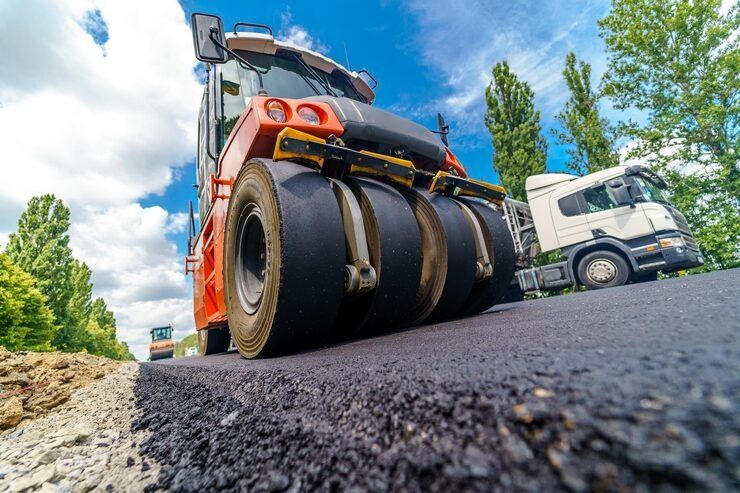
Road construction technology continues developing as infrastructure projects require durable surfaces, efficient material management, and improved construction methods. Asphalt paver machines, paving systems, and advanced construction equipment are important parts of modern transportation development.
Context
Understanding Asphalt Paver Machines
An asphalt paver machine is a heavy construction vehicle designed to distribute asphalt mixtures evenly across prepared surfaces. The machine receives asphalt material from transport vehicles, transfers it through internal systems, spreads it across the roadway, and levels it using a screed unit.
Unlike simple material transport equipment, asphalt pavers are designed to control:
- Material distribution
- Pavement thickness
- Surface alignment
- Paving speed
- Initial surface shaping
These functions help prepare the asphalt layer before compaction equipment completes the process.
Main Components of Asphalt Paving Equipment
Modern asphalt paving equipment consists of several integrated components that work together.
| Component | Function |
|---|---|
| Hopper | Receives asphalt mixture from delivery vehicles |
| Conveyor system | Transfers asphalt material through the machine |
| Auger system | Spreads asphalt across the paving width |
| Screed unit | Levels and shapes the asphalt layer |
| Hydraulic system | Controls movement and adjustments |
| Sensors and controls | Monitor paving conditions |
Each component contributes to creating a uniform pavement surface.
Types of Asphalt Paver Machines
Different construction projects require different types of asphalt pavers based on location, scale, and pavement requirements.
| Type of Asphalt Paver | Main Application |
| Tracked asphalt pavers | Highways and large infrastructure projects |
| Wheeled asphalt pavers | Urban roads and flexible construction areas |
| Mini asphalt pavers | Small roads and repair activities |
| Highway-class pavers | Large-scale transportation projects |
| Automatic asphalt pavers | Projects requiring digital control systems |
Working Principle of Asphalt Paver Machines
The asphalt paver working process involves several coordinated steps:
- Asphalt mixture is delivered into the machine hopper.
- Conveyor systems move the material toward the paving area.
- Augers distribute the mixture evenly across the required width.
- The screed unit levels and shapes the asphalt layer.
- The machine moves forward at a controlled speed.
- Rollers compact the asphalt surface after placement.
The combination of controlled material flow and screed adjustment helps create a consistent pavement layer.
Importance
Role in Road Construction
Road construction machinery supports the development of transportation networks used by communities, businesses, and industries. Asphalt paver machines are essential because they help create smooth and structured road surfaces.
Applications include:
- Highway construction
- City road development
- Airport runway projects
- Industrial roads
- Parking areas
- Infrastructure improvement projects
Importance of Accurate Asphalt Placement
Proper asphalt placement influences pavement performance and surface quality. Uneven material distribution or incorrect layer thickness can affect how roads perform over time.
Modern paving systems help monitor:
- Asphalt thickness
- Surface levels
- Machine movement
- Material temperature
- Paving consistency
Road Construction Technologies
Modern road construction technologies combine mechanical equipment with digital systems to improve planning and execution.
These technologies include:
- GPS-based machine guidance
- Automated grade control
- Digital construction models
- Temperature monitoring systems
- Data collection platforms
These tools support better coordination between equipment operators and project teams.
Asphalt Mixture Paving Process
The asphalt mixture paving process requires coordination between material production, transportation, placement, and compaction.
Important factors include:
- Asphalt temperature
- Material quality
- Machine speed
- Layer thickness
- Weather conditions
Construction teams monitor these factors to maintain proper paving conditions.
Applications Across Infrastructure Projects
Asphalt paver machines are used in different sectors.
Highway Development: Large pavers support long-distance transportation infrastructure projects.
Urban Road Construction: Compact paving machines help develop city streets and local roads.
Airport Infrastructure: Specialized paving systems support runway and aircraft movement areas.
Industrial Facilities: Asphalt paving equipment supports transportation areas within industrial locations.
Residential Projects: Smaller machines assist with community roads and access pathways.
Recent Updates
Growth of Smart Paving Systems
Between 2024 and 2026, smart paving systems continued developing through increased use of digital technologies and automated controls.
Modern systems may include:
- Machine sensors
- Digital displays
- Automated adjustments
- Real-time monitoring
- Data recording systems
These features help operators understand machine performance and paving conditions.
Expansion of Automated Asphalt Pavers
Automatic asphalt pavers are becoming more common as construction equipment integrates advanced electronic systems.
Automation features may assist with:
- Speed management
- Screed control
- Material monitoring
- Grade adjustments
- Operational tracking
Operators continue supervising the equipment and managing site conditions.
Sustainable Asphalt Technologies
The road construction industry continues exploring environmentally responsible paving methods. Developments include improved recycling processes, efficient material usage, and technologies designed to reduce resource consumption.
Current research areas include:
- Recycled asphalt materials
- Lower-temperature asphalt mixtures
- Energy-efficient construction equipment
- Improved material management
Digital Integration in Road Projects
Digital construction technology is increasingly connected with asphalt paving operations.
Digital tools may support:
- Project planning
- Equipment coordination
- Construction documentation
- Quality monitoring
Advanced Sensor Technology
Sensors are becoming more common in modern paving equipment. These systems collect information about operating conditions and machine performance.
Sensor applications may include:
- Asphalt temperature monitoring
- Material level tracking
- Machine position monitoring
- Surface condition analysis
Laws or Policies
Road Construction Standards
Road construction projects must follow engineering standards and government regulations that vary by region.
Standards may address:
- Pavement design
- Material specifications
- Construction procedures
- Quality testing
- Safety requirements
Infrastructure Development Policies
Government transportation programs influence road construction activities through infrastructure planning and development policies.
These programs may focus on:
- Transportation improvement
- Road safety
- Infrastructure maintenance
- Sustainable construction practices
Construction Equipment Safety Requirements
Asphalt paver machines operate in environments with heavy machinery and moving vehicles. Safety regulations generally focus on:
- Equipment operation procedures
- Worker protection
- Site organization
- Machine inspection
- Operator training
Environmental Regulations
Road construction activities may be affected by environmental guidelines related to:
- Equipment emissions
- Material recycling
- Noise control
- Waste management
These requirements encourage more responsible construction practices.
Tools and Resources
Pavement Design Software
Engineering teams use pavement design tools to plan road structures and evaluate construction requirements.
These tools may support:
- Pavement modeling
- Material selection
- Structural analysis
- Project planning
Machine Control Systems
Machine control systems provide digital guidance for asphalt paving equipment.
Features may include:
- Position tracking
- Grade monitoring
- Digital project information
- Equipment performance data
Asphalt Testing Equipment
Quality testing tools help evaluate asphalt materials and finished pavement conditions.
Testing areas may include:
- Material composition
- Density measurement
- Temperature analysis
- Surface evaluation
Construction Management Platforms
Digital construction platforms help organize project information, equipment schedules, and progress tracking.
Industry Information Resources
Technical information about asphalt paving can be found through:
- Transportation research organizations
- Engineering publications
- Government infrastructure departments
- Construction associations
- Technical standards organizations
FAQs
What is an asphalt paver machine?
An asphalt paver machine is construction equipment used to place, spread, and level asphalt mixtures during road and infrastructure projects.
How does an asphalt paver work?
An asphalt paver receives asphalt material, distributes it through conveyor and auger systems, levels it with a screed unit, and prepares the surface for compaction.
What are the different types of asphalt paver machines?
Common types include tracked pavers, wheeled pavers, mini pavers, highway-class pavers, and automatic asphalt pavers designed for different project requirements.
What technologies are used in modern asphalt paving?
Modern asphalt paving technology includes sensors, GPS guidance, automated controls, digital monitoring systems, and smart construction platforms.
Where are asphalt paver machines used?
Asphalt paver machines are used in highways, urban roads, airports, industrial areas, parking facilities, and other infrastructure projects.
Conclusion
Asphalt paver machines are essential components of modern road construction and infrastructure development. These machines combine mechanical systems, paving technologies, and digital controls to support accurate asphalt placement and surface preparation. Advances in smart paving systems, automation, and sustainable construction methods continue influencing the future of road building. Understanding asphalt paving equipment helps explain the technologies involved in creating modern transportation networks.