Modern industries are constantly searching for materials that are stronger, lighter, and more durable than traditional metals. Carbon fiber and composite materials have emerged as some of the most important innovations in advanced manufacturing, offering exceptional performance across a wide range of applications.
From aerospace structures and automotive components to renewable energy systems and sporting equipment, carbon fiber composites are helping manufacturers improve efficiency while reducing weight and enhancing durability. As production technologies continue to evolve, these materials are becoming increasingly important in modern engineering and industrial development.
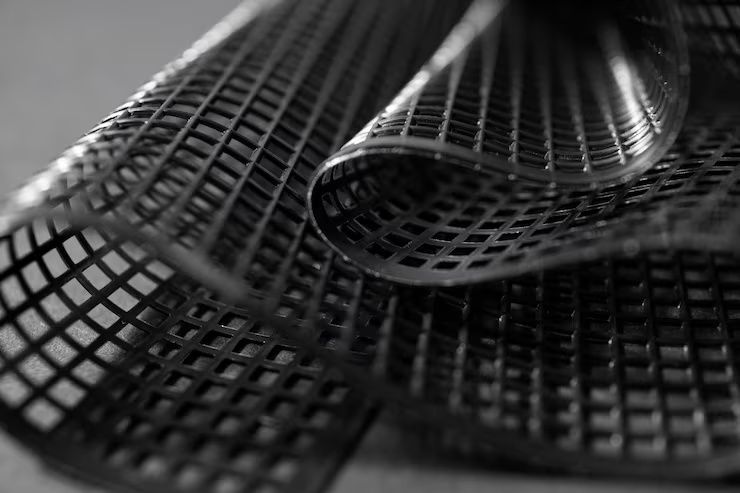
This guide explores carbon fiber and composite manufacturing, the technologies used to produce these advanced materials, and their growing role across various industries.
What Are Carbon Fiber and Composite Materials?
Carbon fiber is a high-strength material made from extremely thin strands of carbon atoms. When combined with specialized resins and reinforcement materials, it forms composite structures that deliver exceptional mechanical properties.
A composite material is created by combining two or more materials to achieve characteristics that individual materials cannot provide on their own. In many applications, carbon fibers serve as the reinforcement while resin systems act as the binding matrix.
This combination creates materials that offer impressive strength while remaining significantly lighter than many traditional alternatives.
Why Carbon Fiber Composites Are Important
Industries increasingly require materials that can withstand demanding operating conditions while improving efficiency and performance.
Carbon fiber composites provide several advantages that make them highly attractive for modern manufacturing.
Key benefits include:
- High strength-to-weight ratio
- Excellent durability
- Corrosion resistance
- Design flexibility
These characteristics allow manufacturers to develop products that are both lightweight and structurally reliable.
Understanding Carbon Fiber Production
The manufacturing process begins with the production of carbon fibers themselves. This highly specialized process transforms raw precursor materials into strong and lightweight carbon strands.
Raw Material Preparation
Most carbon fibers are produced using precursor materials such as polyacrylonitrile (PAN).
The precursor material is carefully processed and formed into fine fibers before undergoing additional treatment stages.
Material consistency is critical because it directly influences the quality of the final carbon fiber product.
Stabilization Process
The fibers are heated in a controlled environment to stabilize their molecular structure.
This stage prepares the material for high-temperature processing while improving its structural integrity.
Carbonization
During carbonization, fibers are exposed to extremely high temperatures in an oxygen-controlled environment.
This process removes non-carbon elements and leaves behind tightly bonded carbon structures that provide exceptional strength.
Surface Treatment
After carbonization, fibers undergo surface treatment to improve bonding with resin systems used during composite manufacturing.
This stage enhances the overall performance of the finished composite material.
Composite Manufacturing Technologies
Once carbon fibers are produced, they can be combined with resin systems to create advanced composite materials.
Different manufacturing methods are used depending on product requirements, production volume, and application needs.
Hand Layup Process
Hand layup is one of the most widely used composite manufacturing methods.
In this process, layers of carbon fiber fabric are placed into a mold and saturated with resin before curing.
Although relatively simple, this technique remains useful for many specialized applications.
Vacuum Infusion
Vacuum infusion improves material consistency by using vacuum pressure to distribute resin throughout the fiber layers.
This process helps reduce air pockets and improves structural performance.
Manufacturers often use vacuum infusion for large composite structures where quality and consistency are important.
Compression Molding
Compression molding uses pressure and heat to shape composite materials within a mold.
This method is commonly used for higher-volume production environments where repeatability and efficiency are essential.
Automated Fiber Placement
Advanced manufacturing facilities increasingly use automated fiber placement technologies.
These systems precisely position carbon fibers according to engineered design requirements, improving accuracy and reducing material waste.
Key Components of Composite Structures
Composite materials consist of several elements working together to achieve desired performance characteristics.
Reinforcement Fibers
Carbon fibers provide strength, stiffness, and structural support.
Their arrangement and orientation significantly influence the mechanical properties of the final product.
Resin Systems
Resins bind fibers together and distribute loads throughout the structure.
Common resin systems include epoxy, polyester, and vinyl ester formulations.
The choice of resin depends on performance requirements and operating conditions.
Core Materials
Some composite structures include lightweight core materials positioned between composite layers.
These cores help increase stiffness while minimizing overall weight.
Advanced Production Technologies
Modern composite manufacturing has benefited significantly from technological advancements.
Computer-Aided Design
Engineers use advanced design software to develop composite components with precise performance characteristics.
Digital modeling allows manufacturers to optimize designs before production begins.
Automated Manufacturing Systems
Automation is increasingly used throughout composite production facilities.
Automated systems help improve consistency, reduce production variability, and support higher manufacturing efficiency.
Quality Monitoring Technologies
Modern facilities use advanced inspection technologies to verify structural integrity and manufacturing accuracy.
These systems help identify defects and maintain consistent product quality throughout production.
Industrial Applications of Carbon Fiber Composites
Carbon fiber and composite materials are used across a wide range of industries where performance and weight reduction are important.
Aerospace Industry
Aerospace manufacturers rely heavily on carbon fiber composites because of their lightweight and high-strength characteristics.
Aircraft structures, interior components, and various engineered systems often incorporate composite materials to improve performance and efficiency.
Automotive Manufacturing
Vehicle manufacturers increasingly use composite materials to reduce weight and improve fuel efficiency.
Applications include body panels, structural components, and performance-oriented vehicle systems.
Renewable Energy Sector
Wind energy systems frequently utilize composite materials due to their strength and durability.
Large turbine blades are often manufactured using advanced composite technologies to withstand demanding environmental conditions.
Marine Applications
Composite materials are widely used in marine environments because of their corrosion resistance and lightweight properties.
Boats, vessels, and offshore structures often benefit from these characteristics.
Sports and Recreation Equipment
Many high-performance sporting products incorporate carbon fiber materials.
Examples include bicycles, rackets, protective equipment, and various performance-oriented recreational products.
Benefits of Carbon Fiber and Composite Manufacturing
The growing adoption of composite materials is driven by several important advantages.
Organizations using carbon fiber composites often benefit from:
- Reduced product weight
- Enhanced structural performance
- Improved durability
- Greater design flexibility
These benefits support innovation across numerous industries and applications.
Challenges in Composite Manufacturing
Despite their advantages, composite materials present certain manufacturing challenges.
Production processes often require precise environmental controls, specialized equipment, and detailed quality management procedures.
Material handling, curing processes, and inspection requirements can also add complexity to manufacturing operations.
However, ongoing technological advancements continue to improve efficiency and reduce production challenges.
Future Trends in Carbon Fiber and Composite Technologies
The future of composite manufacturing is being shaped by automation, advanced materials research, and digital production technologies.
Manufacturers are exploring faster production methods, improved recycling solutions, and more efficient manufacturing systems.
Artificial intelligence, smart manufacturing platforms, and automated quality inspection technologies are expected to play an increasingly important role in future composite production facilities.
These innovations will help expand the use of carbon fiber composites across both established and emerging industries.
Conclusion
Carbon fiber and composite manufacturing has become a cornerstone of modern engineering and industrial innovation. By combining advanced materials with sophisticated production technologies, manufacturers can create lightweight, durable, and high-performance products for a wide variety of applications.
From aerospace and automotive industries to renewable energy and marine applications, composite materials continue to transform product design and manufacturing capabilities. As technology advances and production methods improve, carbon fiber composites will remain a key driver of innovation across the global industrial landscape.