Chemical processing industries depend on carefully designed equipment to transform raw materials into useful chemicals, fuels, polymers, pharmaceuticals, food ingredients, and other industrial products.
These systems bring together mechanical equipment, heat transfer technologies, fluid handling, separation methods, instrumentation, and process controls.
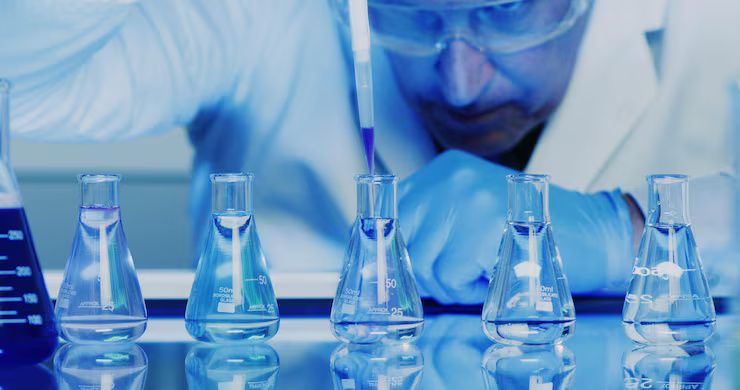
Understanding chemical process equipment is useful for anyone exploring industrial processing systems because individual machines rarely operate independently. Pumps, reactors, heat exchangers, vessels, filters, separators, and control systems must work together to maintain stable operating conditions and consistent process performance.
This guide explains the fundamental equipment used in chemical processing, how different systems interact, important selection considerations, and the role of automation, safety, and maintenance in modern industrial facilities.
What Is Chemical Process Equipment?
Chemical process equipment refers to the machinery and engineered systems used to handle, transform, separate, heat, cool, mix, store, or transport materials during an industrial process.
Depending on the application, the materials being handled may include liquids, gases, powders, slurries, or combinations of different phases.
Common equipment categories include:
- Process reactors
- Pumps and compressors
- Heat exchangers
- Storage and process vessels
- Distillation and separation equipment
- Filters
- Mixers and agitators
- Drying systems
- Piping systems
- Process instrumentation
The correct combination depends on the chemistry, physical properties of the materials, required process conditions, production objectives, and facility design.
How Industrial Processing Systems Work
A chemical processing system typically consists of several connected stages. Raw materials enter the facility and move through controlled processing steps before becoming an intermediate or finished product.
A simplified process may involve:
- Material preparation
- Mixing or reaction
- Heating or cooling
- Separation
- Purification
- Product conditioning
- Storage or transfer
Each stage requires equipment designed for a specific function. For example, a reactor may provide controlled conditions for a chemical transformation, while a heat exchanger manages temperature between process streams.
The overall objective is to maintain controlled material flow while achieving the required physical or chemical transformation.
Process Reactors
Reactors are among the most important components in chemical processing because they provide the environment where chemical reactions take place.
Different reactor designs are selected according to factors such as reaction characteristics, material phase, residence time, temperature requirements, and production scale.
Common reactor categories include batch reactors, continuous reactors, and specialized systems designed for particular chemical processes.
Temperature control is especially important because chemical reactions can be strongly influenced by temperature. Reactor systems may therefore incorporate heating or cooling arrangements, mixing equipment, pressure monitoring, and process sensors.
Pumps, Compressors, and Fluid Handling
Industrial processes frequently require materials to move between tanks, reactors, separation systems, and other equipment.
Pumps are commonly used for liquid transfer, while compressors handle gases and increase their pressure for downstream processing or transportation.
Equipment selection depends on factors such as:
- Fluid characteristics
- Flow requirements
- Pressure conditions
- Temperature
- Material compatibility
- Viscosity
- Solids content
Proper fluid-handling design helps maintain stable process flow and prevents unnecessary stress on connected equipment.
Heat Exchangers and Temperature Management
Temperature control is fundamental to many industrial processing systems.
Heat exchangers transfer thermal energy between process streams without necessarily mixing them. They can be used to heat incoming materials, cool reaction products, recover useful heat, or maintain specific operating temperatures.
Common designs include shell-and-tube, plate, and specialized heat exchanger configurations.
Efficient thermal management can improve process stability and support better energy utilization. Equipment materials must also be selected carefully because temperature, pressure, and chemical exposure can affect long-term performance.
Process Vessels and Storage Equipment
Vessels are used for holding, mixing, processing, or separating materials.
Storage vessels may contain raw materials, intermediate products, or finished materials, while process vessels can provide controlled environments for operations such as blending or reaction.
Important design considerations include:
- Internal pressure
- Temperature range
- Material compatibility
- Vessel capacity
- Agitation requirements
- Corrosion resistance
- Inspection access
The physical design of a vessel must correspond to the material and process conditions involved.
Separation Equipment
Chemical manufacturing frequently requires mixtures to be separated into individual components or purified products.
Separation equipment may include distillation columns, centrifuges, filtration systems, membrane systems, absorbers, and other specialized technologies.
The appropriate separation method depends on differences in properties such as boiling point, particle size, density, solubility, or molecular characteristics.
Separation processes can represent a significant portion of an industrial plant's overall energy and equipment requirements, making process integration an important engineering consideration.
Mixing and Agitation Systems
Mixers and agitators help distribute materials uniformly within tanks and process vessels.
Mixing may be required to combine liquids, suspend solids, maintain temperature uniformity, or support chemical reactions.
Agitator design depends on fluid viscosity, vessel geometry, desired mixing intensity, and the physical characteristics of the materials.
Poorly designed mixing can create areas of uneven concentration or temperature, potentially affecting process consistency.
Materials and Corrosion Considerations
Material selection is a central issue in chemical process equipment design.
Equipment may come into contact with corrosive chemicals, solvents, high-temperature materials, or abrasive particles. Engineers therefore consider chemical compatibility, mechanical strength, temperature resistance, and corrosion behavior when selecting construction materials.
Common engineering materials may include stainless steels, carbon steels, specialized alloys, polymers, ceramics, and protective coatings.
The appropriate material depends on the specific process environment rather than simply the equipment category.
Instrumentation and Process Control
Modern chemical processing systems rely heavily on instrumentation and automation.
Sensors can monitor variables such as:
- Temperature
- Pressure
- Flow
- Level
- Composition
- Equipment condition
Control systems use this information to maintain operating conditions within defined ranges.
Automated control can improve consistency and reduce the need for constant manual intervention. It also provides operators with real-time information about process conditions, allowing abnormal situations to be identified more quickly.
Safety in Chemical Processing Systems
Safety is an essential part of chemical process equipment design and operation.
Industrial facilities must account for hazards associated with pressure, temperature, chemical exposure, flammable materials, mechanical equipment, and unexpected process conditions.
Important safety measures may include appropriate containment, pressure protection, ventilation, emergency shutdown systems, monitoring equipment, protective barriers, and established operating procedures.
Equipment should be designed and maintained according to applicable engineering standards, regulations, and site-specific safety requirements.
Safety considerations should be incorporated during process design rather than treated as an afterthought.
Maintenance and Equipment Reliability
Regular maintenance helps industrial equipment remain reliable throughout its operating life.
Maintenance programs may include inspection, cleaning, lubrication, calibration, corrosion monitoring, component replacement, and performance testing.
Modern facilities increasingly use condition-monitoring technologies to identify changes in vibration, temperature, pressure, or other equipment characteristics.
Predictive maintenance can help maintenance teams identify developing problems earlier and plan interventions around operational requirements.
Energy Efficiency and Process Integration
Energy efficiency has become an important consideration in modern chemical processing.
Equipment can be integrated so that heat from one process stream is recovered and used elsewhere. Efficient pumps, motors, compressors, and thermal systems can also reduce unnecessary energy consumption.
Process integration considers the facility as a connected system rather than evaluating each machine independently.
This approach can reveal opportunities to improve heat recovery, reduce material losses, simplify process flows, and improve overall system efficiency.
Future Developments in Chemical Process Equipment
Industrial processing systems are increasingly incorporating digital technologies alongside traditional mechanical engineering.
Emerging developments include:
- Advanced process sensors
- Digital monitoring platforms
- Automated control systems
- Predictive maintenance
- Energy optimization
- Digital twins
- Improved corrosion monitoring
- More efficient separation technologies
These developments are gradually making chemical processing systems more observable, automated, and adaptable.
The future of process equipment is therefore not limited to improvements in individual machines. Greater integration between equipment, sensors, software, and engineering data is becoming equally important.
Frequently Asked Questions
What is chemical process equipment?
Chemical process equipment includes machinery used to handle, transform, heat, cool, mix, separate, store, and transport materials during industrial chemical processes.
What equipment is commonly used in chemical processing?
Common equipment includes reactors, pumps, compressors, heat exchangers, vessels, filters, separation systems, mixers, piping, and process-control equipment.
Why is temperature control important?
Temperature can influence reaction behavior, material properties, separation performance, equipment integrity, and overall process stability.
How does automation support chemical processing?
Automation continuously monitors process variables and helps maintain defined operating conditions while providing operators with information about system performance.
Why is equipment material selection important?
Materials must withstand the chemical, mechanical, pressure, and temperature conditions associated with the process. Appropriate material selection helps support equipment integrity and operational reliability.
Conclusion
Chemical process equipment forms the physical foundation of modern industrial processing systems. Reactors, pumps, heat exchangers, vessels, separation equipment, mixers, instrumentation, and control technologies each perform specialized functions while working together as part of an integrated process.
Understanding these systems requires looking beyond individual machines and considering material properties, temperature, pressure, fluid movement, separation requirements, automation, maintenance, and safety as interconnected engineering factors.
As industrial facilities become more automated and data-driven, chemical process equipment will increasingly operate alongside advanced sensors, control platforms, predictive maintenance technologies, and energy-management systems. This combination of mechanical engineering and digital process management will continue shaping the development of efficient, reliable, and carefully controlled industrial processing environments.