
Industrial chemicals play a vital role in modern manufacturing, construction, agriculture, healthcare, energy production, water treatment, and countless other industries.
Behind every production facility or industrial process is a network of organizations responsible for producing, distributing, and delivering these essential materials. Understanding how industrial chemical suppliers operate helps businesses, students, engineers, and procurement teams make informed decisions about material sourcing and supply chain planning.
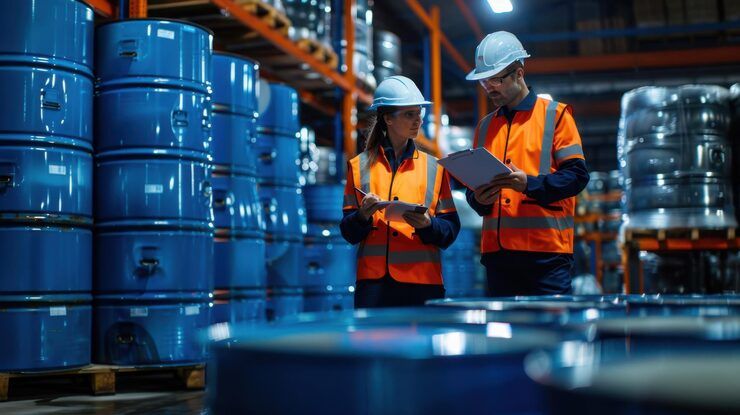
This guide explains the basics of industrial chemical suppliers, the roles of manufacturers and distributors, the movement of industrial materials through supply chains, common product categories, quality considerations, and the factors that influence reliable chemical distribution. The purpose is to provide educational insight into the industrial chemical ecosystem without focusing on promotional claims or commercial recommendations.
What Are Industrial Chemical Suppliers?
Industrial chemical suppliers are organizations that provide chemicals used in manufacturing, industrial processing, research, construction, maintenance, and various commercial applications. Their role extends beyond simply delivering products—they help ensure that industries receive the appropriate materials in the correct quantities while supporting safe handling, storage, and transportation practices.
Industrial chemical suppliers may work directly with industrial chemical manufacturers or function as industrial chemical distributors that connect manufacturers with businesses requiring specialized materials.
Depending on the industry, suppliers may provide:
- Raw industrial chemicals
- Processing chemicals
- Cleaning chemicals
- Water treatment chemicals
- Industrial coating chemicals
- Specialty formulations
- Laboratory chemicals
- Maintenance products
Their role is an important part of maintaining consistent industrial operations across many sectors.
Understanding the Industrial Chemical Supply Chain
Industrial chemical distribution involves multiple stages before materials reach the end user.
A simplified supply chain typically includes:
- Raw material sourcing
- Chemical manufacturing
- Quality testing
- Packaging
- Warehousing
- Transportation
- Industrial chemical distribution
- Delivery to manufacturers or industrial facilities
Each stage contributes to product consistency, regulatory compliance, and reliable material availability.
Difference Between Manufacturers, Suppliers, and Distributors
These terms are often used interchangeably, but each has a distinct role within the chemical industry.
| Role | Primary Responsibility |
|---|---|
| Industrial Chemical Manufacturer | Produces chemical products through industrial processes |
| Industrial Chemical Supplier | Provides chemicals to industrial users and manages product availability |
| Industrial Chemical Distributor | Purchases products from manufacturers and distributes them to customers |
| Specialty Chemical Suppliers | Focus on specialized or application-specific chemical products |
Understanding these differences helps explain how chemicals move efficiently from production facilities to industrial users.
Types of Industrial Chemicals
Industrial chemicals cover a wide range of materials designed for different applications.
Basic Industrial Chemicals
These chemicals serve as building blocks for many manufacturing processes.
Examples include materials used in:
- Metal processing
- Water treatment
- Textile production
- Paper manufacturing
- Plastic production
They are often produced in large volumes for widespread industrial use.
Specialty Chemicals
Specialty chemical suppliers provide products designed for specific industrial applications rather than general manufacturing.
These materials are commonly developed for:
- Electronics
- Automotive production
- Pharmaceutical manufacturing
- Food processing
- High-performance coatings
Performance characteristics are usually more important than production volume.
Industrial Coating Chemicals
Industrial coating chemicals help improve the durability, appearance, and protection of manufactured products.
Common applications include:
- Corrosion protection
- Surface finishing
- Weather resistance
- Industrial equipment protection
- Structural coatings
Different industries require coatings with specific chemical and environmental properties.
Industries That Depend on Industrial Chemical Suppliers
Industrial chemicals support nearly every manufacturing sector.
Major industries include:
Manufacturing
Manufacturers use chemicals throughout production processes for cleaning, processing, lubrication, finishing, and quality improvement.
Construction
Construction projects require chemicals for:
- Concrete additives
- Waterproofing materials
- Protective coatings
- Sealants
- Surface treatments
These materials contribute to structural performance and durability.
Water Treatment
Water treatment facilities rely on carefully selected chemicals to improve water quality and support purification processes.
Applications include:
- Water clarification
- pH adjustment
- Disinfection
- Scale prevention
- Corrosion control
Agriculture
Agricultural operations use industrial chemicals for:
- Soil improvement
- Irrigation systems
- Equipment maintenance
- Crop processing
- Storage facility sanitation
Proper chemical management supports efficient agricultural production.
Energy
Power generation and energy facilities utilize chemicals in:
- Cooling systems
- Boiler operations
- Fuel processing
- Equipment maintenance
- Environmental management
Reliable chemical supplies help maintain continuous operations.
Key Factors When Evaluating Industrial Chemical Suppliers
Organizations often evaluate suppliers using several practical considerations rather than focusing solely on product availability.
Important factors include:
Product Consistency
Consistent chemical composition supports reliable manufacturing processes and predictable production results.
Regulatory Compliance
Industrial chemicals must often meet regional regulations covering transportation, storage, labeling, documentation, and workplace safety.
Compliance helps organizations maintain operational standards.
Technical Documentation
Industrial users frequently rely on documentation such as:
- Product specifications
- Safety information
- Handling guidelines
- Storage recommendations
- Technical data sheets
Accurate documentation supports safe and effective chemical use.
Supply Reliability
Consistent delivery schedules help reduce production interruptions and improve inventory planning.
Reliable distribution networks are particularly important for industries operating continuous production systems.
Understanding Specialty Chemical Suppliers
Unlike suppliers of large-volume industrial chemicals, specialty chemical suppliers focus on products designed for particular industrial requirements.
Specialty chemicals often prioritize:
- Performance
- Precision
- Application-specific properties
- Product consistency
- Industry-specific formulations
Examples include chemicals developed for electronics manufacturing, medical equipment, aerospace components, and advanced coatings.
Safe Storage and Handling Considerations
Industrial chemicals require careful handling throughout their lifecycle.
Important considerations include:
- Appropriate storage temperatures
- Compatible storage containers
- Ventilation requirements
- Spill prevention measures
- Proper labeling
- Employee training
Following established handling procedures contributes to workplace safety and environmental protection.
Transportation and Material Distribution
Moving industrial chemicals safely requires specialized logistics.
Distribution planning often considers:
| Distribution Factor | Importance |
|---|---|
| Packaging | Protects product integrity |
| Transportation method | Supports safe delivery |
| Storage conditions | Maintains chemical stability |
| Delivery scheduling | Prevents production delays |
| Documentation | Supports regulatory compliance |
| Inventory management | Improves supply continuity |
Effective transportation planning ensures chemicals arrive in suitable condition for industrial use.
Technology in Industrial Chemical Distribution
Digital technologies continue improving chemical supply chain management.
Modern systems may include:
- Inventory tracking
- Warehouse automation
- Digital documentation
- Shipment monitoring
- Demand forecasting
- Supply chain analytics
- Quality management systems
These technologies help improve operational efficiency while supporting traceability across the distribution process.
Industrial Coating Chemicals and Their Applications
Industrial coating chemicals serve multiple protective and functional purposes across manufacturing industries.
Common applications include:
- Machinery protection
- Infrastructure maintenance
- Automotive manufacturing
- Marine equipment
- Industrial pipelines
- Steel structures
- Manufacturing equipment
The appropriate coating depends on environmental exposure, operating conditions, and material compatibility.
Common Challenges in Chemical Distribution
Industrial chemical distribution involves several operational challenges.
These may include:
- Transportation delays
- Changing regulatory requirements
- Inventory management
- Storage limitations
- Environmental conditions
- Supply chain disruptions
- Specialized handling requirements
Organizations often address these challenges through careful planning, diversified supply networks, and effective inventory management.
Sustainability in the Chemical Industry
Environmental responsibility has become an increasingly important aspect of industrial chemical management.
Many organizations now emphasize:
- Improved resource efficiency
- Reduced waste generation
- Responsible packaging practices
- Energy-efficient manufacturing
- Recycling initiatives
- Safer material handling
- Environmental compliance
These efforts support both operational efficiency and long-term sustainability objectives.
Emerging Trends in Industrial Chemical Supply
The industrial chemical sector continues to evolve alongside advances in manufacturing and technology.
Current developments include:
- Digital supply chain management
- Smart inventory systems
- Increased product traceability
- Advanced quality monitoring
- Sustainable chemical development
- Automation in warehousing
- Data-driven logistics planning
These trends aim to improve reliability while supporting more efficient industrial operations.
Frequently Asked Questions
What is the difference between an industrial chemical supplier and an industrial chemical manufacturer?
An industrial chemical manufacturer produces chemical products, while industrial chemical suppliers provide those products to businesses and industrial users. Suppliers may obtain materials directly from manufacturers or through established distribution networks.
What do industrial chemical distributors do?
Industrial chemical distributors purchase chemicals from manufacturers, maintain inventory, manage storage, and deliver products to industrial customers according to their operational requirements.
What are specialty chemical suppliers?
Specialty chemical suppliers focus on chemicals developed for specific industrial applications that require particular performance characteristics rather than high production volumes.
Where are industrial coating chemicals commonly used?
Industrial coating chemicals are widely used in manufacturing, construction, transportation, marine industries, infrastructure, energy facilities, and equipment protection to improve durability and resistance to environmental conditions.
Why is chemical distribution important?
Efficient chemical distribution helps ensure industries receive the materials they need while supporting product quality, operational continuity, regulatory compliance, and safe transportation.
Conclusion
Industrial chemical suppliers form an essential link between chemical production and industrial manufacturing. Their role extends beyond delivering products to supporting reliable supply chains, maintaining quality standards, coordinating transportation, and ensuring materials reach industries safely and efficiently. Understanding the differences between industrial chemical manufacturers, industrial chemical distributors, and specialty chemical suppliers provides valuable insight into how industrial materials move through modern supply networks.
From manufacturing and construction to water treatment, agriculture, energy production, and industrial coating chemicals, reliable material distribution supports countless industrial processes around the world. As digital technologies, sustainability initiatives, and advanced logistics continue shaping the chemical industry, effective supply chain management will remain central to maintaining safe, consistent, and efficient industrial operations. By understanding these fundamentals, businesses and industry professionals can better appreciate the systems that keep industrial production running smoothly.