
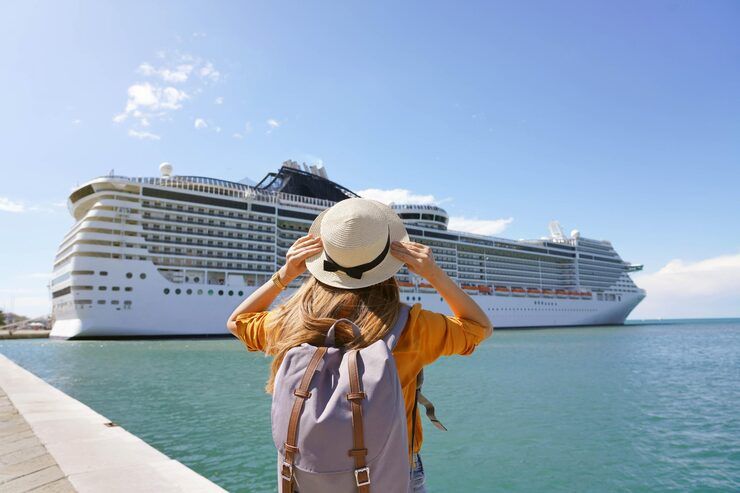
Cruise travel is a form of vacation that combines transportation, accommodation, dining, and entertainment within a single journey. Instead of staying in one location, passengers travel by cruise ship to multiple destinations during the same trip. Modern cruise travel has grown from early passenger ships that crossed oceans into a global tourism activity that connects coastal cities, islands, and scenic waterways.
Many people choose cruise travel because it allows them to visit several places without changing hotels or arranging separate transportation between destinations. Cruises vary in length, ship size, and itinerary, making them suitable for different travel interests. Some focus on tropical islands, while others explore historic ports, glaciers, rivers, or cultural landmarks.
Context
How Cruise Travel Developed
Ocean voyages have existed for centuries, originally serving trade, migration, and passenger transportation. As air travel became more common, passenger ships gradually shifted toward leisure travel. This change led to the development of modern cruise vacations, where the journey itself became an important part of the travel experience.
Today, cruise ships include accommodation, restaurants, recreation areas, theaters, pools, educational activities, and organized shore excursions. River cruises have also become popular, allowing travelers to explore inland cities and historic regions along major waterways.
Popular Cruise Destinations
Cruise itineraries cover many parts of the world. The destinations available often depend on the season and weather conditions.
| Region | Common Experiences | Typical Travel Season |
|---|---|---|
| Caribbean | Beaches, islands, marine activities | Throughout much of the year |
| Mediterranean | Historic cities, museums, coastal towns | Spring to autumn |
| Alaska | Glaciers, wildlife, scenic landscapes | Summer |
| Northern Europe | Fjords, cultural landmarks, nature | Late spring to early autumn |
| Asia | Modern cities, heritage sites, island destinations | Varies by region |
| River Cruises | Historic towns, countryside views, local culture | Seasonal depending on river conditions |
Types of Cruise Experiences
Cruise travel includes several styles depending on destination and traveler interests.
- Ocean cruises visit coastal regions and islands.
- River cruises travel through inland waterways.
- Expedition cruises explore remote natural environments.
- Cultural cruises emphasize history, museums, and local traditions.
- Family cruises include activities designed for different age groups.
Importance
Why Cruise Travel Matters Today
Cruise travel has become an important part of international tourism because it connects multiple destinations within one itinerary. Travelers can experience different cultures, landscapes, and historical locations without arranging separate transportation between each stop.
The industry also supports many related sectors, including transportation, hospitality, food production, port operations, environmental research, and tourism management.
Benefits for Travelers
Cruise travel can simplify vacation planning by combining several parts of a trip into one schedule.
Some practical advantages include:
- Visiting multiple destinations during one journey
- Staying in the same accommodation throughout the trip
- Access to organized educational activities
- Opportunities to experience different cultures
- Flexible itinerary options ranging from short trips to extended voyages
Environmental Considerations
As cruise travel has expanded, environmental discussions have also increased. Topics often include fuel efficiency, waste management, marine conservation, and air emissions.
Many cruise operators are introducing newer technologies intended to reduce environmental impact, although approaches vary between ships and regions.
Recent Updates
More Sustainable Ship Design
Between 2024 and 2026, many newly introduced cruise ships have incorporated technologies intended to improve energy efficiency. These include alternative fuels, improved hull designs, advanced wastewater treatment systems, and shore power connections that reduce emissions while ships remain in port.
Digital Travel Planning
Travel planning has become increasingly digital. Mobile applications now commonly assist passengers with boarding information, cabin access, onboard schedules, dining reservations, and destination information before and during the journey.
Expanded Destination Options
Cruise itineraries continue to expand into emerging destinations while maintaining established routes across Europe, North America, Asia, and the South Pacific. Some operators have adjusted schedules to reduce congestion at heavily visited ports by adding alternative locations.
Greater Focus on Responsible Tourism
Many cruise itineraries now include educational activities related to marine ecosystems, local culture, wildlife conservation, and environmental awareness. These programs aim to encourage responsible tourism practices during shore visits.
Laws or Policies
Maritime Safety Regulations
Cruise ships operate under international maritime regulations designed to promote passenger safety, navigation standards, emergency preparedness, and crew training. These rules are coordinated through international agreements and implemented by national maritime authorities.
Environmental Requirements
Many countries require cruise ships to comply with environmental standards covering emissions, wastewater treatment, waste disposal, and fuel quality. Some ports also have additional local environmental requirements before allowing ships to dock.
Immigration and Customs
Passengers visiting multiple countries during a cruise may need passports, visas, or other travel documents depending on their nationality and itinerary. Immigration procedures vary according to each destination's national regulations.
Consumer Protection
Many countries have travel regulations that define passenger rights regarding booking terms, cancellations, refunds where applicable under contract terms, and travel documentation. These rules differ between jurisdictions.
Tools and Resources
Several digital resources help travelers understand cruise travel before planning a journey.
Cruise Line Websites
Official cruise line websites provide information about itineraries, ship facilities, accommodation categories, onboard activities, and destination details.
Port Authority Websites
Many ports publish arrival schedules, terminal maps, transportation information, and local visitor guidance.
Weather Platforms
Weather forecasting websites help travelers understand seasonal conditions that may influence cruise routes and shore activities.
Government Travel Portals
Government travel websites provide country-specific travel advisories, passport information, customs guidance, and visa requirements where applicable.
Navigation and Mapping Applications
Digital mapping platforms help travelers explore ports, nearby attractions, transportation options, and walking routes before arriving at each destination.
Useful Planning Checklist
Before a cruise, travelers commonly review:
- Passport validity
- Visa requirements
- Travel insurance information
- Weather forecasts
- Luggage guidelines
- Health documentation if required
- Local currency information
- Transportation between home and departure port
FAQs
What is cruise travel?
Cruise travel is a vacation that combines transportation, accommodation, dining, and entertainment while visiting multiple destinations by ship. The itinerary varies depending on the route and voyage length.
Which cruise travel destinations are popular?
Common cruise travel destinations include the Caribbean, Mediterranean, Alaska, Northern Europe, Asia, and major river systems such as the Danube and Rhine. Availability depends on seasonal navigation conditions.
How long does a cruise usually last?
Cruises range from short weekend trips lasting a few days to extended voyages that continue for several weeks. River cruises are often shorter than large ocean cruises.
Do travelers need a passport for cruise travel?
Passport requirements depend on the itinerary, the traveler's nationality, and the countries visited during the voyage. Some routes may also require visas or additional travel documentation.
What should travelers pack for a cruise?
Packing typically includes comfortable clothing, weather-appropriate outerwear, travel documents, medications if needed, suitable footwear for shore excursions, and any destination-specific items based on the itinerary.
Conclusion
Cruise travel combines transportation and accommodation while allowing passengers to visit multiple destinations during one journey. Modern cruises include a wide variety of itineraries, from tropical islands to historic cities and remote natural environments. Environmental practices, digital travel tools, and updated maritime regulations continue to shape the industry. Understanding destinations, travel requirements, and available resources helps travelers gain a clearer picture of how cruise vacations operate today.