
Water treatment has become a critical part of modern industrial operations. As industries seek greater efficiency, environmental responsibility, and resource management, advanced treatment technologies are playing an increasingly important role. Among these technologies, Dissolved Air Flotation (DAF) systems have emerged as one of the most effective solutions for separating suspended solids, oils, grease, and other contaminants from water.
DAF technology is widely used across industries because it delivers efficient solid-liquid separation while supporting water quality improvement and wastewater management objectives. From food processing facilities and manufacturing plants to chemical processing operations and municipal treatment facilities, DAF systems help organizations manage water resources more effectively.
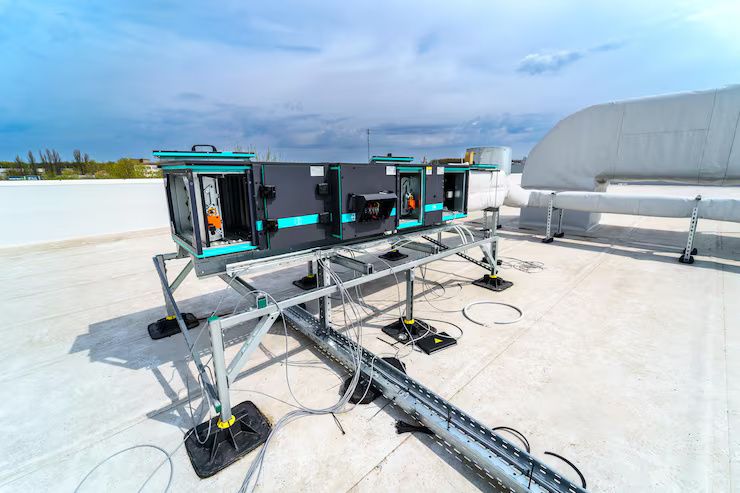
This guide explains how DAF systems work, the technologies behind the process, and the industries that benefit from this important water treatment solution.
What Are DAF Systems?
DAF stands for Dissolved Air Flotation, a water treatment process designed to remove suspended particles, oils, fats, and other contaminants from water.
The process works by introducing microscopic air bubbles into the water stream. These bubbles attach to contaminants and cause them to float to the surface, where they can be separated and removed.
Unlike traditional sedimentation methods that rely on contaminants settling to the bottom, DAF technology uses flotation to achieve efficient separation.
The process is particularly effective for removing lightweight materials that are difficult to separate through conventional methods.
Why DAF Technology Is Important
Industries generate wastewater containing a variety of contaminants that must be treated before reuse, discharge, or further processing.
DAF systems help address several key challenges:
- Removal of suspended solids
- Reduction of oil and grease content
- Improvement of water quality
- Support for environmental compliance
As water management requirements become increasingly important, DAF technology continues to gain attention across industrial sectors.
How Dissolved Air Flotation Works
The effectiveness of DAF systems comes from a carefully controlled flotation process. Although the technology is sophisticated, the basic operating principle is relatively straightforward.
Water Pre-Treatment
Before entering the flotation unit, wastewater often undergoes preliminary treatment to remove larger particles and prepare the water for the separation process.
Depending on the application, chemical conditioning may also be used to improve contaminant removal efficiency.
This preparation stage helps optimize overall system performance.
Air Saturation Process
A portion of treated water is pressurized and saturated with dissolved air.
When the pressure is released inside the flotation tank, microscopic air bubbles form throughout the water.
These tiny bubbles are critical to the separation process because they attach to suspended contaminants.
Flotation and Separation
As air bubbles attach to contaminants, the combined particles become lighter and rise toward the surface.
A floating layer forms at the top of the tank, consisting of oils, solids, and other materials removed from the water stream.
Mechanical skimming equipment then collects and removes the floating material.
Clarified Water Collection
After contaminants are removed, clarified water exits the system for additional treatment, recycling, or discharge depending on operational requirements.
This final stage produces significantly cleaner water compared to the incoming wastewater stream.
Key Components of a DAF System
Several integrated components work together to achieve effective water treatment.
Flotation Tank
The flotation tank serves as the primary treatment chamber where separation occurs.
Its design influences retention time, bubble distribution, and overall treatment performance.
Proper tank design is essential for maximizing contaminant removal efficiency.
Air Dissolution Unit
The air dissolution unit generates the pressurized water required to create microscopic flotation bubbles.
This component plays a critical role in maintaining consistent separation performance.
Skimming Mechanism
The skimming system continuously removes floating contaminants from the water surface.
Efficient skimming helps maintain stable operation and prevents contaminants from re-entering the treated water stream.
Control and Monitoring Systems
Modern DAF systems often incorporate advanced monitoring technologies.
These systems help operators manage:
- Flow rates
- Air pressure levels
- Treatment performance
- Process efficiency
Digital controls contribute to more reliable and consistent operation.
Advanced Water Treatment Technologies Used in DAF Systems
Modern DAF systems often integrate multiple technologies to improve treatment effectiveness.
Chemical Conditioning
In many applications, treatment chemicals are introduced before flotation.
These chemicals help small particles combine into larger structures that are easier to separate during the flotation process.
Proper conditioning can significantly enhance removal performance.
Automated Process Control
Automation technologies allow operators to optimize treatment conditions in real time.
Sensors continuously monitor system performance and adjust operating parameters as needed.
This improves efficiency while reducing operational variability.
Smart Monitoring Solutions
Digital monitoring platforms provide valuable insights into system operation.
Real-time data helps identify trends, improve process control, and support preventive maintenance strategies.
These technologies contribute to more efficient water treatment operations.
Advantages of DAF Separation Processes
DAF technology offers several advantages that make it attractive across numerous industries.
One major benefit is its ability to remove lightweight contaminants that may not settle effectively through gravity-based treatment methods.
Additional advantages include:
- High removal efficiency
- Compact system design
- Rapid treatment performance
- Adaptability across industries
These characteristics contribute to the widespread adoption of DAF systems worldwide.
Industrial Applications of DAF Systems
The versatility of DAF technology allows it to support a broad range of industrial processes.
Food and Beverage Processing
Food manufacturing facilities often generate wastewater containing oils, fats, proteins, and suspended solids.
DAF systems help remove these contaminants before additional treatment stages.
This improves wastewater quality and supports operational sustainability goals.
Chemical Manufacturing
Chemical production facilities frequently require advanced wastewater treatment solutions.
DAF technology assists with separating process-related contaminants and improving water management efficiency.
Its flexibility makes it suitable for a variety of chemical processing environments.
Oil and Gas Operations
Water generated during oil and gas activities often contains suspended materials and hydrocarbons.
DAF systems are widely used to separate these contaminants and improve treatment outcomes.
This application remains one of the most important industrial uses of flotation technology.
Pulp and Paper Industry
Pulp and paper facilities produce wastewater streams containing fibers, solids, and organic materials.
DAF treatment helps reduce contaminant levels and supports water recovery initiatives within production facilities.
Municipal Water Treatment
Municipal facilities also utilize DAF technology for water clarification and wastewater treatment.
The process helps improve water quality while supporting regulatory compliance requirements.
Challenges in DAF System Operation
Although DAF systems provide significant benefits, successful operation requires proper design and management.
Treatment performance can be influenced by factors such as wastewater composition, flow variability, and operating conditions.
Operators must carefully manage process parameters to maintain optimal performance.
Regular monitoring and preventive maintenance help ensure long-term reliability and efficiency.
Future Trends in DAF Technology
Water treatment technologies continue to evolve as industries seek greater efficiency and sustainability.
Several trends are shaping the future of DAF systems.
Greater Automation
Advanced automation technologies are enabling more precise control of treatment processes.
Automated adjustments help improve performance while reducing operational complexity.
Data-Driven Optimization
Smart analytics platforms allow operators to make informed decisions based on real-time performance data.
This supports better resource utilization and process optimization.
Sustainable Water Management
As industries focus on water conservation, DAF systems are increasingly being integrated into water recycling and reuse initiatives.
These applications help organizations reduce environmental impact while improving resource efficiency.
Conclusion
DAF systems have become an essential component of modern water treatment operations. By using dissolved air flotation technology, these systems efficiently remove suspended solids, oils, grease, and other contaminants from wastewater streams.
Their combination of effective separation, operational flexibility, and adaptability across industries makes them a valuable solution for industrial and municipal water treatment applications. As automation, smart monitoring, and sustainability initiatives continue to advance, DAF technology is expected to play an even greater role in the future of water management and environmental protection.