
Outdoor advertising has evolved significantly over the years. Traditional static hoardings are now being replaced by dynamic, high-visibility displays that capture attention instantly. Among these, LED digital billboards have become a powerful tool for modern advertising.
These billboards combine bright visuals, motion graphics, and real-time updates to deliver impactful messages. Whether placed on highways, urban streets, or commercial zones, they help brands connect with audiences in a more engaging way.
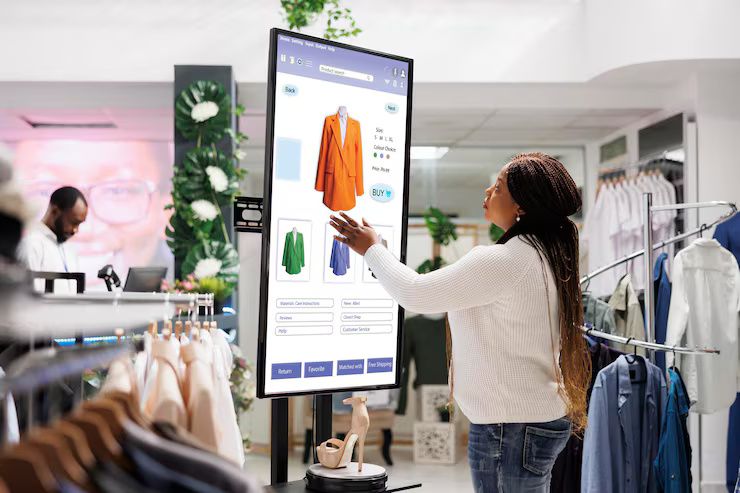
In this guide, we’ll explore how LED digital billboards work, the technology behind them, and how they support effective advertising strategies.
What Are LED Digital Billboards?
LED digital billboards are large outdoor screens that use light-emitting diodes (LEDs) to display content such as images, videos, and animations. Unlike traditional billboards, they can change content instantly and display multiple messages in rotation.
These displays are designed to remain visible in different lighting conditions, including bright sunlight and nighttime environments.
Key characteristics include:
- High brightness and visibility
- Dynamic and changeable content
- Energy-efficient lighting technology
- Long operational life
These features make LED billboards a popular choice for modern outdoor advertising.
How LED Billboard Technology Works
LED billboards are made up of small light units called pixels. Each pixel emits light and combines with others to form images and videos.
The display system is controlled by software that allows operators to update content remotely. This makes it easy to manage multiple campaigns across different locations.
The clarity of the display depends on pixel pitch, which refers to the distance between pixels. A smaller pixel pitch results in sharper and more detailed images.
Types of LED Digital Billboards
Different types of LED billboards are used depending on location and purpose.
1. Outdoor LED Billboards
These are large displays installed in high-traffic areas such as highways and city centers. They are designed for long-distance visibility and durability.
2. Indoor LED Displays
Indoor displays are used in shopping malls, airports, and commercial spaces. They focus on high resolution and close viewing distance.
3. Mobile LED Displays
These billboards are mounted on vehicles and can move across different locations. They are useful for targeted campaigns.
4. Transparent LED Displays
Transparent screens are used in glass buildings and storefronts. They allow visibility through the display while showing content.
Advantages of LED Digital Billboards
LED billboards provide several benefits that make them effective for advertising.
They attract attention quickly and allow for creative storytelling through motion and visuals.
Key Advantages
- High visibility in all lighting conditions
- Ability to update content instantly
- Display multiple advertisements in rotation
- Strong audience engagement
These advantages make LED billboards a powerful medium for reaching large audiences.
Applications in Advertising
LED digital billboards are widely used across different industries for promotion and branding.
Urban Advertising
In busy city areas, LED billboards capture attention from pedestrians and commuters.
Highway Advertising
Large displays placed along highways reach a wide audience, including drivers and travelers.
Retail and Commercial Spaces
Businesses use LED displays to promote products and announcements within commercial areas.
Event Promotion
LED billboards are effective for promoting events, concerts, and public campaigns.
These applications highlight the versatility of LED display technology.
Role of Technology in Modern Billboards
Modern LED billboards use advanced technology to improve performance and efficiency.
Smart Content Management
Operators can schedule and update content remotely, allowing quick changes based on time or audience.
Data-Driven Advertising
Some systems use data insights to display relevant content based on location and time.
Integration with Digital Platforms
LED billboards can be connected with online campaigns, creating a unified advertising strategy.
These technologies make outdoor advertising more dynamic and effective.
Challenges of LED Billboard Advertising
Despite their advantages, LED billboards come with certain challenges.
One challenge is managing brightness levels to avoid distraction, especially in busy areas.
Another issue is maintaining display quality over time. Regular maintenance is needed to ensure consistent performance.
Content design is also important. Poorly designed visuals may not capture attention effectively.
Future Trends in LED Billboard Technology
The future of LED billboards is driven by innovation and smarter systems.
Emerging Trends
- Higher resolution displays with better clarity
- Integration with artificial intelligence
- Interactive and responsive advertising
- Energy-efficient and sustainable designs
These trends are shaping the next generation of outdoor advertising.
Practical Example of LED Billboard Use
Imagine a busy city intersection where a digital billboard displays rotating advertisements. During the day, it shows retail promotions, while in the evening, it displays entertainment content.
The ability to change messages based on time and audience makes the billboard more effective and engaging.
This flexibility is one of the biggest advantages of digital displays.
Tips for Effective LED Billboard Advertising
To get the best results, it’s important to focus on clear and impactful content.
- Keep messages short and easy to read
- Use strong visuals and contrast
- Avoid overcrowding the screen
- Ensure content matches the target audience
These simple tips can improve the effectiveness of billboard campaigns.
Conclusion
LED digital billboards have transformed outdoor advertising by combining technology with creativity. They provide a dynamic platform for delivering messages that capture attention and engage audiences.
With their ability to display real-time content and adapt to different environments, these billboards are becoming an essential part of modern advertising strategies.
As technology continues to advance, LED digital billboards will play an even greater role in shaping how brands communicate in outdoor spaces.