
Industrial electrical machines are essential devices that convert electrical energy into mechanical motion or generate electricity from mechanical energy. The most common types include motors, generators, and related systems used in power generation and distribution.
These machines have evolved over time from early electromagnetic experiments in the 19th century to modern, highly efficient systems used in industries and infrastructure. Motors and generators operate on similar physical principles, mainly electromagnetic induction. A motor uses electrical input to produce movement, while a generator does the reverse by converting motion into electrical output. These machines are found in factories, transportation systems, household appliances, and large-scale power plants.
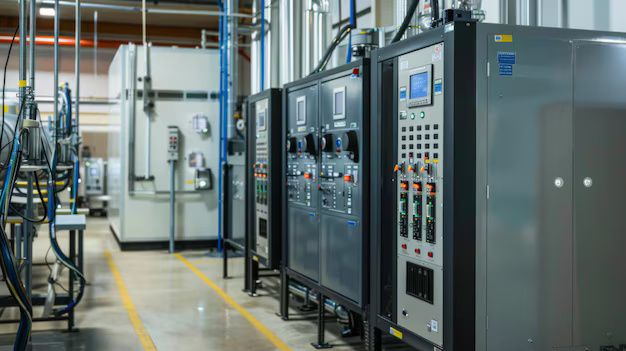
To understand the basics, it helps to look at their core roles:
- Motors: Convert electrical energy into mechanical motion
- Generators: Convert mechanical energy into electrical energy
- Transformers: Adjust voltage levels for safe transmission
- Control systems: Manage performance and efficiency
Power system applications rely heavily on these machines to maintain a continuous and stable supply of electricity. From small industrial tools to national power grids, industrial electrical machines form a critical part of modern energy systems.
Importance
Industrial electrical machines play a central role in modern society because they enable automation, energy production, and efficient resource use. Motors, for example, are used in manufacturing plants to operate conveyor belts, pumps, and compressors. Generators are essential for producing electricity in power stations, including thermal, hydro, and renewable energy facilities.
These machines influence many areas of daily life:
- Transportation: Electric motors power trains and electric vehicles
- Agriculture: Irrigation systems rely on motor-driven pumps
- Households: Appliances like fans and washing machines use motors
- Healthcare: Backup generators support hospitals during outages
Some of the key challenges addressed by industrial electrical machines include:
- Energy efficiency: Reducing electricity consumption through improved designs
- Reliability: Supporting continuous operation in industries
- Scalability: Adapting to both small devices and large systems
- Environmental impact: Lowering emissions through efficient energy use
Without these machines, many essential systems would not function reliably. Their importance continues to grow with increasing energy demand.
Recent Updates
Between 2024 and 2026, several trends have shaped the development and use of industrial electrical machines. One major trend is the shift toward energy-efficient motors. Governments and industries are focusing on reducing electricity consumption by adopting improved efficiency standards.
Key developments include:
- Smart monitoring: Sensors track temperature, load, and performance in real time
- Renewable integration: Generators designed for wind and solar systems
- Electrification: Increased use of motors in electric vehicles
- Variable frequency drives: Adjust motor speed based on demand
These innovations aim to improve performance while reducing energy waste. Industries are gradually moving toward more intelligent and connected systems.
Laws or Policies
Industrial electrical machines and power system applications are influenced by regulations that ensure safety, efficiency, and environmental responsibility.
Important regulatory areas include:
- Energy efficiency standards: Set by organizations like the Bureau of Energy Efficiency (BEE)
- Safety regulations: Defined by the Central Electricity Authority (CEA)
- Environmental policies: Focus on reducing emissions and energy waste
- Equipment certification: Ensures machines meet performance and safety criteria
Government programs also encourage the adoption of efficient machines by supporting upgrades to modern systems. These policies help maintain safe and sustainable energy practices.
Tools and Resources
Understanding and managing industrial electrical machines is supported by a range of tools and platforms. These resources assist in design, monitoring, and performance analysis.
Commonly used tools include:
- Simulation software: MATLAB and Simulink for modeling systems
- Design platforms: AutoCAD Electrical for circuit layouts
- Monitoring tools: Sensor-based dashboards for real-time tracking
- Calculation tools: Online calculators for load and efficiency analysis
- Learning platforms: Coursera and edX for structured courses
The following table summarizes key machine types and their applications:
| Machine Type | Function | Common Applications |
|---|---|---|
| AC Motor | Converts electrical to mechanical energy | Fans, pumps, compressors |
| DC Motor | Provides controlled speed and torque | Electric vehicles, robotics |
| Synchronous Generator | Produces stable electrical output | Power plants |
| Induction Generator | Generates electricity from motion | Wind energy systems |
| Transformer | Transfers energy between circuits | Power distribution networks |
FAQs
What are industrial electrical machines and how do they work?
Industrial electrical machines are devices that convert energy between electrical and mechanical forms. Motors convert electrical energy into motion, while generators convert motion into electricity. They rely on electromagnetic interaction between current and magnetic fields.
What is the difference between motors and generators in power system applications?
Motors use electrical input to create motion, while generators use motion to produce electricity. Both are essential for energy conversion within power system applications.
Where are industrial electrical machines commonly used?
They are used in industries, transportation, agriculture, and homes. Common examples include factory equipment, trains, irrigation systems, and household appliances.
Why is energy efficiency important in industrial electrical machines?
Energy efficiency reduces electricity use and improves system performance. Efficient machines produce less heat and help conserve energy resources.
How are modern technologies improving motors and generators?
Modern improvements include smart sensors, digital monitoring, and variable speed control. These technologies enhance performance, reliability, and adaptability.
Conclusion
Industrial electrical machines, including motors and generators, are fundamental to energy systems and everyday life. They enable efficient energy conversion across many applications. Advances in technology continue to improve their performance and adaptability. Regulations help ensure safe and responsible use. These machines remain essential for reliable power system applications.