Electrical panels are essential components of modern electrical infrastructure.
They provide a central point for receiving, distributing, controlling, and protecting electrical power throughout a building or facility. From a small residential property to a large industrial plant, electrical panels help organize electrical circuits and support the safe operation of connected equipment.
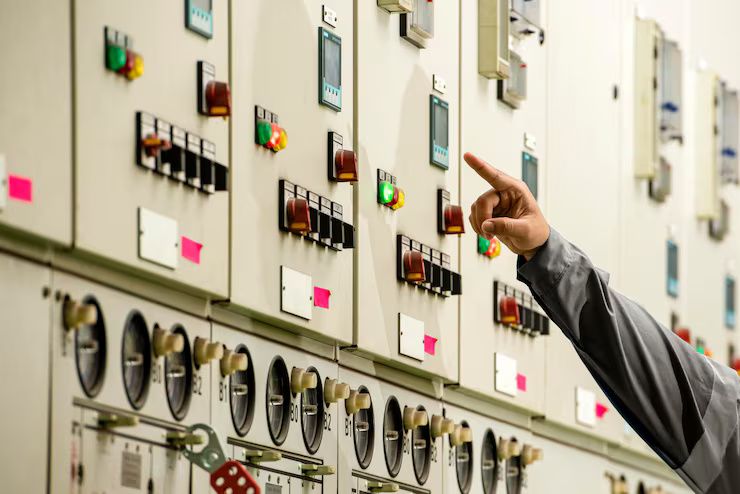
As buildings become more automated and energy requirements continue to grow, electrical panel technology has evolved beyond simple power distribution. Modern systems can incorporate circuit protection, monitoring, automation, communication, and control functions. Understanding the different types of panels and their applications helps explain how electrical systems are designed for different environments.
This guide explores the fundamentals of electrical panels, their major types, applications across residential, commercial, and industrial buildings, and the technologies shaping modern electrical distribution and control systems.
What Is an Electrical Panel?
An electrical panel is an enclosure that contains electrical components used to distribute and manage power within a building or facility. It typically receives electrical power from an incoming supply and directs that power to individual circuits or equipment.
Depending on the application, an electrical panel may contain components such as:
- Circuit breakers
- Fuses
- Busbars
- Contactors
- Relays
- Switches
- Protection devices
- Monitoring instruments
- Control components
The exact configuration depends on the building's electrical requirements, system voltage, connected loads, and operational needs.
A properly designed panel helps organize circuits while providing protection against electrical faults and abnormal operating conditions.
The Role of Electrical Panels in Power Distribution
Electrical distribution panels serve as important connection points between an incoming electrical supply and multiple downstream circuits.
In a typical building, electricity may enter through a main service connection before reaching a primary distribution panel. From there, power can be divided among lighting, outlets, HVAC systems, appliances, machinery, and other electrical loads.
The distribution system is generally designed around several key objectives:
- Safe power distribution
- Circuit protection
- Load management
- Equipment isolation
- Maintenance accessibility
- System organization
This structured approach allows electrical systems to operate efficiently while making individual circuits easier to identify and maintain.
Types of Electrical Panels
Electrical panels vary significantly depending on their purpose and installation environment.
Main Distribution Panels
Main distribution panels receive electrical power from the primary supply and distribute it to multiple circuits or secondary panels. They are commonly used in residential, commercial, and industrial electrical systems.
Sub-Distribution Panels
Sub-panels distribute power to specific areas or sections of a building. They can help organize electrical circuits across large properties and reduce the need for long individual circuit runs.
Electrical Control Panels
An electrical control panel is primarily designed to control and monitor electrical equipment or industrial processes. It may include relays, contactors, programmable logic controllers, variable frequency drives, and human-machine interfaces.
Unlike a basic distribution panel, a control panel focuses more heavily on equipment operation and automation.
Industrial Electrical Control Panels
Industrial electrical control panels are designed for complex environments where machinery, motors, production systems, and automated processes must be coordinated.
These panels may integrate power control, process automation, motor management, instrumentation, and communication technologies.
Residential Electrical Panel Applications
In residential buildings, electrical panels provide the central distribution point for household circuits.
A typical residential panel may supply:
- Lighting circuits
- General-purpose outlets
- Kitchen appliances
- Water heating systems
- HVAC equipment
- Laundry appliances
- Outdoor electrical systems
Circuit breakers help protect individual circuits from excessive current and provide a means of disconnecting electrical power when necessary.
Modern homes may require more sophisticated electrical distribution because of increased use of appliances, home offices, electric vehicles, heat pumps, and smart home technologies.
As electrical demand changes, panel capacity and circuit organization become important considerations during new construction and renovation projects.
Commercial Electrical Panel Applications
Commercial buildings generally have more complex electrical requirements than typical residential properties.
Offices, retail buildings, schools, hospitals, hotels, and other facilities may require multiple distribution panels serving different floors, departments, or functional areas.
Commercial electrical panels may support:
- Lighting systems
- HVAC equipment
- Elevators
- Security systems
- Fire protection systems
- Data centers
- Commercial kitchens
- Emergency systems
Electrical distribution panels in commercial environments are often designed with accessibility, reliability, load management, and future expansion in mind.
Larger buildings may also use centralized monitoring systems to track electrical consumption and identify abnormal conditions.
Industrial Electrical Panel Applications
Industrial facilities often have the most demanding electrical requirements.
Manufacturing plants, processing facilities, warehouses, and infrastructure sites may operate large motors, pumps, compressors, conveyors, robotic systems, and automated production equipment.
Industrial electrical control panels may be used to manage:
- Motor operation
- Production machinery
- Automated processes
- Conveyor systems
- Pumping equipment
- Temperature control
- Industrial instrumentation
These systems frequently integrate with programmable logic controllers and supervisory control platforms to coordinate complex operations.
The design of industrial panels must consider factors such as environmental conditions, electrical loads, heat generation, vibration, dust, moisture, and continuous operation.
Electrical Distribution Panel vs. Electrical Control Panel
Although the terms are sometimes used interchangeably, distribution and control panels have different primary functions.
| Feature | Electrical Distribution Panel | Electrical Control Panel |
|---|---|---|
| Primary Purpose | Distribute electrical power | Control and monitor equipment |
| Main Components | Breakers, fuses, busbars | Relays, contactors, PLCs, drives |
| Typical Application | Buildings and facilities | Machinery and automated processes |
| Main Focus | Power distribution and protection | Equipment operation and automation |
| Common Environment | Residential, commercial, industrial | Commercial and industrial |
Some advanced systems combine distribution and control functions, especially in industrial environments where power and automation systems need to communicate closely.
Key Components Inside an Electrical Panel
Several components contribute to panel functionality.
Circuit Breakers
Circuit breakers interrupt electrical flow when abnormal current conditions occur. They also allow individual circuits to be isolated for maintenance.
Busbars
Busbars provide conductive pathways for distributing electrical power within the panel.
Relays and Contactors
These components control electrical circuits and are commonly used in automation and motor control applications.
Programmable Logic Controllers
PLCs are widely used in industrial control panels to execute programmed instructions and coordinate automated processes.
Monitoring Devices
Modern panels may include meters and sensors that track voltage, current, power consumption, temperature, and other operational parameters.
Electrical Panel Manufacturing and Design
Electrical panel manufacturing involves several stages, including engineering design, component selection, enclosure fabrication, assembly, wiring, inspection, and testing.
The manufacturing process must account for:
- Electrical ratings
- Circuit configuration
- Enclosure requirements
- Protection levels
- Thermal management
- Wiring organization
- Maintenance access
- Applicable standards
Panel design should also consider future modifications. A system that provides adequate space and capacity for potential expansion can be easier to maintain and adapt as electrical requirements change.
Smart Electrical Panels and Digital Monitoring
Digital technology is transforming electrical panel design.
Modern smart panels may provide real-time information about electrical conditions through connected sensors and monitoring platforms.
Potential capabilities include:
- Remote monitoring
- Energy consumption tracking
- Fault notifications
- Load analysis
- Predictive maintenance insights
- Equipment status monitoring
These features can help facility managers understand how electrical systems operate and identify potential issues earlier.
Smart monitoring is particularly valuable in large commercial and industrial facilities where electrical systems contain many interconnected loads.
Safety and Maintenance Considerations
Electrical panels require careful installation, inspection, and maintenance by qualified professionals.
Regular maintenance may include:
- Visual inspections
- Connection checks
- Circuit breaker testing
- Thermal monitoring
- Cleaning
- Component replacement
- Verification of protective devices
The appropriate maintenance schedule depends on the panel type, operating environment, equipment age, and applicable electrical requirements.
Panels should always be handled by appropriately qualified personnel because electrical systems can present serious hazards when improperly installed or maintained.
Future Trends in Electrical Panel Technology
The future of electrical panel technology is closely connected to electrification, automation, and digital energy management.
Important developments include:
- Smart circuit monitoring
- Connected electrical distribution
- Advanced energy management
- Integration with renewable energy
- Battery storage coordination
- Electric vehicle charging management
- Predictive maintenance
- Improved automation
As buildings and industrial facilities become more connected, electrical panels are increasingly becoming intelligent parts of larger energy and automation systems.
Frequently Asked Questions
What is the main purpose of an electrical panel?
An electrical panel receives electrical power and distributes it to individual circuits while providing protection and, in some applications, control and monitoring functions.
What is an Electrical Distribution Panel?
An Electrical Distribution Panel is primarily designed to distribute electrical power from an incoming supply to multiple downstream circuits or equipment.
How does an Electrical Control Panel differ from a distribution panel?
An Electrical Control Panel focuses primarily on controlling and monitoring equipment, while a distribution panel focuses on distributing electrical power and protecting circuits.
Where are Industrial Electrical Control Panels used?
Industrial Electrical Control Panels are commonly used in manufacturing facilities, processing plants, automated production lines, pumping systems, and other industrial environments.
What is involved in Electrical Panel Manufacturing?
Electrical Panel Manufacturing typically includes engineering design, component selection, enclosure preparation, assembly, wiring, inspection, and testing according to applicable requirements.
Conclusion
Electrical panels form the backbone of electrical distribution and control systems across residential, commercial, and industrial environments. While a residential electrical panel may manage household circuits, commercial distribution systems support complex buildings, and industrial electrical control panels coordinate sophisticated machinery and automated processes.
The development of smart monitoring, digital controls, energy management, and connected technologies is expanding the role of modern electrical panels. As buildings and facilities become increasingly electrified and automated, well-designed panel systems will continue to provide an essential foundation for organized power distribution, equipment control, monitoring, and electrical protection.