
Metal forming machinery plays an important role in modern manufacturing by shaping metal into useful components without removing large amounts of material.
Common equipment includes mechanical presses, hydraulic presses, pneumatic presses, press brakes, rolling equipment, forging machinery, and forming systems used for different material shapes and thicknesses.
Understanding metal forming machinery methods helps students, engineers, technicians, manufacturers, and general readers understand how force, tooling, material properties, and machine controls work together. The right method depends on the metal type, required geometry, production requirements, thickness, accuracy, and safety conditions.
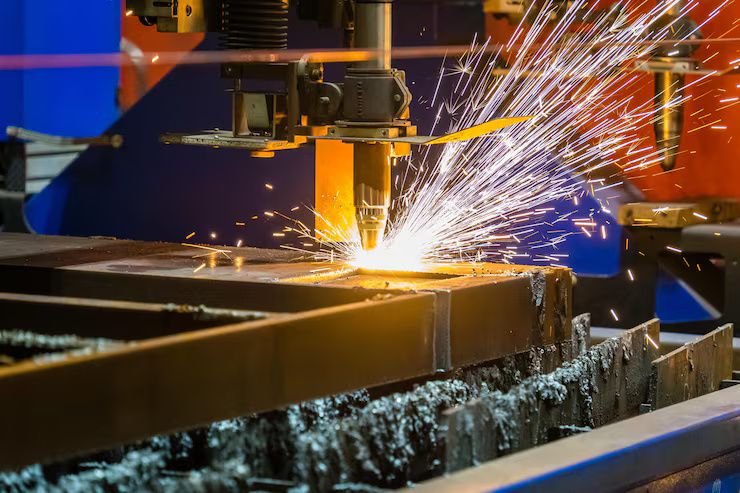
Context – Understanding Metal Forming Machinery
Metal forming is a manufacturing process in which metal is permanently shaped through controlled forces. Unlike machining, which generally removes material to create a shape, forming changes the geometry of the workpiece while retaining most of its original material.
Metal forming machinery can use mechanical, hydraulic, pneumatic, or servo-driven systems. The machinery applies force through tools, dies, rollers, punches, or other forming components. Different machines are designed for different forming operations.
Common metal forming methods include:
- Bending, where sheet or plate is shaped around an axis.
- Stamping, where a press and die create specific shapes.
- Deep drawing, where sheet metal is pulled into a die to produce deeper forms.
- Rolling, where material passes between rotating rolls.
- Forging, where compressive forces shape heated or cold metal.
- Extrusion, where metal is pushed through a shaped opening.
- Stretch forming, where material is formed while being placed under tension.
The choice of equipment depends heavily on material behavior. Aluminum, steel, copper, titanium, and other alloys respond differently to pressure, temperature, deformation, and tooling.
A basic metal forming operation normally involves a workpiece, forming tool, machine structure, drive mechanism, control system, and safety equipment. Accurate coordination between these elements helps achieve consistent results.
Importance – Why Metal Forming Machinery Matters
Metal forming machinery supports the production of components used in transportation, construction, electronics, appliances, energy systems, industrial equipment, and many other sectors.
The process is important because it can create complex shapes while retaining much of the original material. It can also support repeatable production when machines, dies, material conditions, and process parameters are properly controlled.
Several factors influence forming performance:
| Factor | Why It Matters |
|---|---|
| Material type | Determines strength, ductility, and forming behavior |
| Material thickness | Influences required force and tooling |
| Machine capacity | Determines whether the operation can be performed safely |
| Tool design | Controls the final shape and dimensional accuracy |
| Forming speed | Can influence material response and production consistency |
| Lubrication | May reduce friction and tool or material wear |
| Machine controls | Help manage stroke, force, speed, and sequencing |
| Safety equipment | Helps reduce exposure to machine hazards |
Metal forming machinery affects more than production operators. Designers need to understand manufacturability, maintenance teams need to understand machine systems, and safety personnel need to recognize potential hazards around moving components and forming points.
Recent Updates – Trends and Developments
Metal forming technology continues to develop through automation, electronic controls, sensors, and data-based monitoring. Servo-driven presses are one important area because their motion can be electronically controlled for different portions of the forming cycle. ISO 16092-2:2019 specifically addresses mechanical presses with part-revolution clutches and servo drive systems.
Digital controls are also becoming more important. Modern forming equipment can incorporate programmable systems that help coordinate machine movements, monitor operating conditions, and manage production sequences.
Another development is greater use of automated material handling. Robotic loading and unloading can reduce repetitive manual movement and help maintain consistent positioning between operations.
Useful development areas include:
- Servo-driven press technology
- Automated sheet and coil handling
- Sensors for process monitoring
- Digital machine controls
- Computer-aided die development
- Production data collection
- Predictive maintenance techniques
- Energy-conscious machine operation
Safety standards are also evolving. In 2026, ISO has an ISO/CD 16092-1 committee draft under development that is intended to replace ISO 16092-1:2017. The draft remains under review, so organizations should verify the applicable edition before using it for compliance decisions.
Laws or Policies – Safety and Regulatory Considerations
Metal forming machinery can involve significant mechanical hazards, particularly at points where dies, punches, slides, rollers, or other moving components come together. Regulations vary by country, so organizations should consult the authorities applicable to their location.
In the United States, OSHA regulation 29 CFR 1910.212 establishes general machine-guarding requirements. It states that appropriate guarding methods should protect operators and other employees from hazards such as points of operation, ingoing nip points, rotating parts, flying chips, and sparks. Power presses and forming rolls are among the machines identified as commonly requiring point-of-operation guarding.
OSHA also explains that point-of-operation guards should prevent workers from placing body parts in danger zones during machine cycles. Examples of protective approaches include barrier guards, two-hand controls, and electronic safety devices.
Internationally, the ISO 16092 series provides safety requirements for several types of presses. ISO 16092-1 covers general requirements for presses working cold metal, while related parts address mechanical, hydraulic, and pneumatic presses.
Relevant considerations may include:
- Machine guarding
- Emergency stopping systems
- Operator access controls
- Electrical safety
- Risk assessment
- Tool and die protection
- Safe material handling
- Training and operating procedures
- Inspection and documentation
Regulatory requirements can change, and a standard does not automatically replace national or regional legislation. Always verify current requirements with the appropriate regulatory authority or qualified safety professional.
Tools and Resources – Helpful Information Sources
Several resources can help readers understand metal forming machinery and its safe operation.
The International Organization for Standardization provides information about relevant machine-tool safety standards, including the ISO 16092 press series. OSHA provides machine-guarding regulations and educational material for workplaces in the United States. Engineering textbooks, technical manuals, manufacturer documentation, and educational institutions can provide additional information about forming principles.
Useful resources include:
- ISO standards and technical publications
- OSHA machine-guarding resources
- Engineering handbooks
- Material property databases
- Metal forming reference tables
- CAD and simulation software
- Press-force calculation references
- Technical drawings and tooling documentation
Basic calculations can help estimate forming requirements. For example, engineers may consider material strength, thickness, bend length, tool geometry, friction, and forming method when determining approximate force requirements. Actual machine selection should rely on validated engineering calculations and applicable technical documentation rather than a simple formula alone.
FAQs – Metal Forming Machinery Methods
What is metal forming machinery?
Metal forming machinery consists of equipment used to reshape metal through controlled mechanical forces. Examples include presses, rollers, forging equipment, and bending machines.
What are common metal forming methods?
Common methods include bending, stamping, deep drawing, rolling, forging, extrusion, and stretch forming. Each method is suited to particular material characteristics and component shapes.
What is the difference between mechanical and hydraulic presses?
Mechanical presses generally use mechanical drive mechanisms to produce controlled ram movement. Hydraulic presses use pressurized fluid and hydraulic cylinders to generate and control force. The appropriate choice depends on the forming operation and required process characteristics.
Why are machine guards important?
Machine guards help prevent people from reaching hazardous areas during operation. Proper guarding is especially important around points of operation, moving dies, rotating components, and other areas where contact could cause injury.
Are metal forming machinery standards updated?
Yes. Standards can be reviewed and revised periodically. For example, ISO currently has a committee draft under development for a future edition of ISO 16092-1, intended to replace the 2017 edition.
Conclusion – Key Takeaways
Metal forming machinery provides controlled methods for shaping metals through processes such as bending, stamping, rolling, forging, and drawing. Understanding material behavior, machine capacity, tooling, controls, and safety principles is essential for responsible use.
Recent developments are placing greater emphasis on servo drives, automation, electronic controls, sensors, and digital monitoring. At the same time, safety standards and regulatory requirements remain important considerations when designing, operating, or evaluating forming equipment.
A sound understanding of metal forming begins with the relationship between material properties, forming forces, tooling, and machine movement. Technical references and recognized standards can help readers develop more accurate knowledge.
Because regulations and standards vary by location and can change over time, current requirements should always be checked against the relevant national authority and applicable technical standards.