Water is essential to everyday life, but unwanted moisture can become one of the most damaging elements affecting a building.
Persistent water exposure can lead to damp walls, roof leaks, mold growth, deteriorating finishes, weakened structures, and unpleasant indoor conditions. Effective waterproofing helps prevent these problems by creating barriers and drainage systems that control how water interacts with a building.
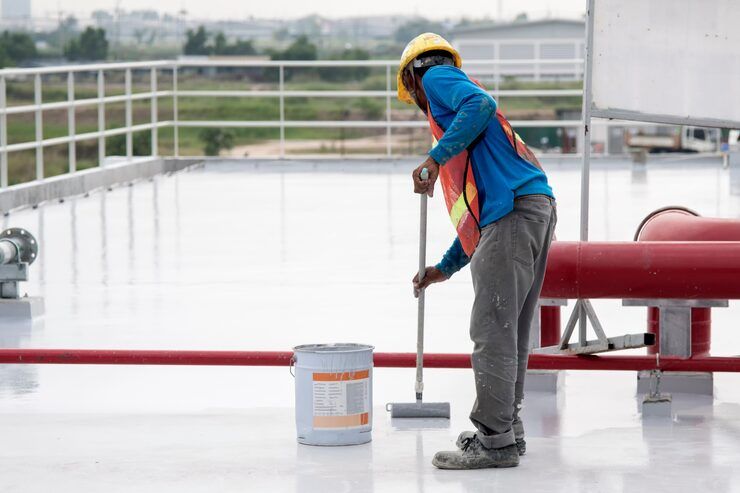
Waterproofing is not limited to applying a coating over a surface. A reliable approach considers the source of moisture, the construction material, drainage conditions, climate, and the location of the affected area. Roofs, exterior walls, basements, and foundations each require different techniques because they experience different forms of water exposure.
Understanding these methods makes it easier to identify potential moisture risks and plan appropriate protection for both new and existing buildings.
What Is Waterproofing?
Waterproofing is the process of protecting building surfaces and structural elements from unwanted water penetration. It may involve membranes, coatings, sealants, drainage systems, water-resistant materials, or combinations of several techniques.
The objective is to control water before it enters vulnerable parts of a structure. Depending on the application, waterproofing may protect against rainfall, groundwater, humidity, surface runoff, or water pressure.
A complete waterproofing strategy usually considers three connected elements: preventing water entry, directing water away from the structure, and managing moisture that may already be present.
Why Waterproofing Matters
Moisture can affect both the visible appearance and the underlying condition of a building.
Long-term water exposure may contribute to:
- Peeling paint and damaged finishes
- Cracked or deteriorated surfaces
- Mold and mildew growth
- Corrosion of metal components
- Damage to insulation
- Wood deterioration
- Concrete degradation
- Unpleasant indoor humidity
- Reduced durability of building materials
Early moisture management can therefore support the long-term performance of a structure.
Waterproofing is especially important in areas exposed to heavy rainfall, high humidity, groundwater, poor drainage, or repeated temperature changes.
Roof Waterproofing Techniques
Roofs are among the most exposed parts of a building. They must withstand rain, sunlight, temperature fluctuations, wind, and accumulated moisture.
Waterproof Membranes
Membrane systems create a continuous protective layer over the roof surface. Depending on the roof design, membranes may be sheet-based or liquid-applied.
Proper installation is important because seams, edges, penetrations, and drainage points can become vulnerable areas.
Liquid-Applied Coatings
Liquid waterproofing materials can form a seamless layer across suitable roof surfaces. They are particularly useful where a continuous coating can help address small surface irregularities.
Surface preparation and compatibility with the existing roofing material are important considerations.
Roof Drainage
Waterproofing works best when combined with effective drainage. Gutters, downpipes, drains, and carefully designed slopes help prevent water from remaining on the roof for extended periods.
Standing water can place additional stress on roofing materials and increase the likelihood of moisture-related problems.
Wall Waterproofing Methods
Exterior walls are exposed to rainfall, wind-driven moisture, humidity, and surface runoff. Water can enter through cracks, joints, porous materials, and poorly sealed openings.
Exterior Wall Coatings
Water-resistant coatings can help reduce the absorption of rainwater through suitable masonry and concrete surfaces. The coating must be compatible with the wall material and environmental conditions.
Crack and Joint Sealing
Cracks around walls, windows, doors, and structural joints can create pathways for water penetration. Appropriate sealants can help close these vulnerable points.
However, significant cracks may indicate underlying movement or structural concerns and should be evaluated rather than simply covered.
Cavity and Drainage Systems
Some wall assemblies incorporate drainage cavities that allow moisture entering the outer layer to move downward and exit safely. These systems can provide an additional layer of protection in buildings exposed to persistent moisture.
Basement Waterproofing Techniques
Basements are particularly vulnerable because they may be surrounded by soil and exposed to groundwater pressure.
Water can enter through foundation cracks, wall joints, floor slabs, or poorly designed drainage systems.
Exterior Waterproofing
Exterior waterproofing addresses moisture before it reaches the basement wall. It may involve protective membranes, drainage layers, and systems that redirect groundwater away from the foundation.
This approach can be particularly useful during new construction or when exterior access is practical.
Interior Waterproofing
Interior methods manage water after it reaches the inside surface. Depending on the situation, these systems may include drainage channels, sump systems, sealants, or interior membranes.
Interior waterproofing can help manage existing moisture problems, but the underlying source of water should still be understood.
Sump and Drainage Systems
A properly designed drainage system can collect groundwater and direct it away from the basement. Sump systems are commonly used where groundwater accumulation is a recurring concern.
Drainage is an important part of basement moisture management because simply sealing a surface may not address water pressure behind the wall.
Foundation Waterproofing
Foundations provide structural support for buildings and remain in close contact with soil. Water around the foundation can create hydrostatic pressure and contribute to moisture intrusion.
Foundation waterproofing may involve:
- Protective membranes
- Bituminous or polymer-based coatings
- Drainage boards
- Perimeter drainage
- Crack repair
- Waterproof concrete systems
- Proper surface grading
The most appropriate method depends on soil conditions, groundwater levels, foundation construction, and the source of moisture.
Comparing Waterproofing Approaches
| Area | Main Water Risk | Common Protection |
|---|---|---|
| Roof | Rainfall and standing water | Membranes, coatings, drainage |
| Exterior Walls | Rain and surface absorption | Coatings, sealants, drainage layers |
| Basement | Groundwater and water pressure | Membranes, drainage, sump systems |
| Foundation | Soil moisture and hydrostatic pressure | Exterior barriers, drainage, crack treatment |
The table illustrates why waterproofing should be treated as a building-specific process rather than a single universal technique.
Waterproofing Materials
Different materials are selected according to the surface and environmental conditions.
Common categories include:
Cementitious Systems
Cement-based waterproofing materials can be applied to suitable concrete and masonry surfaces. They are often used where strong adhesion to mineral-based substrates is required.
Bituminous Materials
Bituminous membranes and coatings are commonly used for foundations and roofs because of their water-resistant characteristics.
Polyurethane Systems
Polyurethane-based waterproofing can form flexible barriers that accommodate limited movement and surface variations when appropriately selected.
Acrylic Coatings
Acrylic-based coatings are commonly used on suitable exterior surfaces and may provide resistance against weather exposure while maintaining a relatively simple application process.
Material selection should consider substrate compatibility, movement, temperature, moisture exposure, and expected service conditions.
Common Waterproofing Problems
Even good waterproofing systems can fail when underlying conditions are overlooked.
Common problems include:
- Poor surface preparation
- Incorrect material selection
- Inadequate drainage
- Unsealed joints
- Improper membrane installation
- Blocked gutters or drains
- Structural cracks
- Inadequate slope
- Water pressure behind walls
A waterproofing solution should therefore address the source of moisture rather than only treating visible symptoms.
Waterproofing for New and Existing Buildings
New construction provides an opportunity to integrate waterproofing into the original building design. Foundations, walls, roofs, drainage systems, and joints can be planned together before construction is completed.
Existing buildings require a different approach. The first step is usually identifying where water is entering and how it is moving through the structure.
Moisture readings, visual inspection, drainage evaluation, crack assessment, and examination of vulnerable joints can help determine the appropriate strategy.
Maintenance and Prevention
Waterproofing should not be viewed as a one-time activity. Regular maintenance helps preserve protective systems.
Important maintenance tasks include:
- Cleaning gutters and drains
- Inspecting roof surfaces
- Checking exterior wall cracks
- Maintaining drainage paths
- Monitoring basement moisture
- Examining foundation areas
- Repairing damaged sealants
- Checking areas around windows and doors
Early detection can prevent minor moisture issues from becoming more extensive building problems.
Future Trends in Waterproofing
Waterproofing technology continues to evolve as buildings become more energy-efficient and climate conditions place greater demands on construction systems.
Emerging developments include improved flexible membranes, advanced polymer coatings, moisture-monitoring sensors, more durable drainage systems, and materials designed with greater environmental considerations.
Building design is also increasingly emphasizing integrated moisture management, where waterproofing, insulation, ventilation, drainage, and structural protection work together rather than being treated as separate systems.
Frequently Asked Questions
What is the main purpose of waterproofing?
The main purpose of waterproofing is to prevent unwanted water from entering or damaging vulnerable parts of a building while controlling moisture that may already be present.
Which areas of a building require waterproofing?
Roofs, exterior walls, basements, foundations, balconies, terraces, wet rooms, and other areas exposed to significant moisture may require waterproofing protection.
Is waterproofing the same for every building?
No. Waterproofing methods depend on construction materials, climate, drainage, groundwater conditions, building design, and the source of moisture.
Can waterproofing prevent basement leaks?
Properly designed waterproofing and drainage can significantly reduce basement water intrusion. However, persistent leaks should be evaluated to identify the underlying water source and pressure conditions.
How can waterproofing systems be maintained?
Regular inspection of roofs, drains, gutters, joints, coatings, foundations, and basement areas can help identify deterioration early and maintain effective moisture protection.
Conclusion
Effective waterproofing is an important part of protecting buildings from moisture-related deterioration. Roofs, walls, basements, and foundations each face different water challenges, so the most appropriate solution depends on the structure, environmental conditions, materials, and source of moisture.
A successful waterproofing strategy combines water-resistant barriers with proper drainage, careful detailing, suitable materials, and regular maintenance. By addressing moisture at its source and considering the building as an interconnected system, property owners and construction professionals can support greater durability, comfort, and long-term structural performance.