Water can affect a home quickly after a burst pipe, overflowing appliance, severe storm, or plumbing failure.
Emergency water damage restoration focuses on controlling the source, assessing affected areas, removing standing water, and drying the structure before additional problems develop.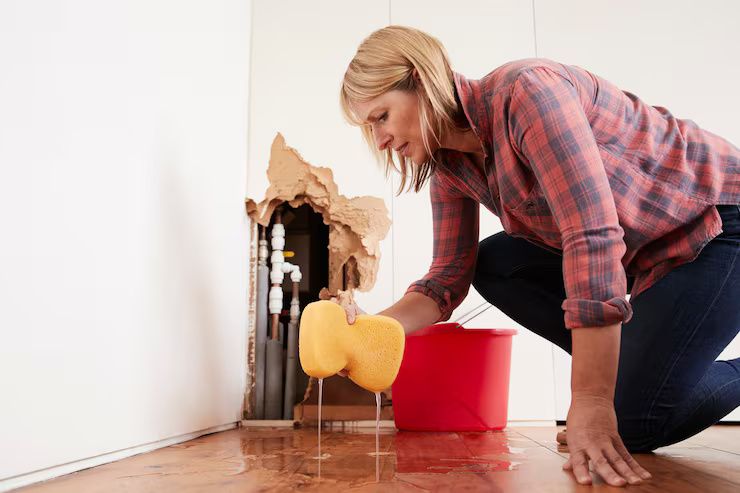
The first response can influence how much of the building remains affected. Moisture that reaches flooring, drywall, insulation, cabinetry, or electrical components may create complications that are not immediately visible. Prompt assessment helps identify areas requiring attention before damage spreads.
Understanding the restoration process gives homeowners a clearer idea of what happens after a water emergency. From initial safety measures and moisture assessment to drying, cleaning, structural repairs, and final inspection, each stage has a specific purpose in returning the home to a stable condition.
Start With Safety and Source Control
The first priority after significant water intrusion is safety. If water is near electrical outlets, appliances, electrical panels, or damaged wiring, occupants should avoid entering the affected area until it has been determined to be safe.
The water source should also be identified and controlled when possible. A failed supply line may require shutting off the appropriate water valve, while a damaged roof or storm-related intrusion may require temporary measures to prevent additional water from entering.
Homeowners should avoid disturbing potentially contaminated water. Floodwater or sewage-related intrusion can contain harmful microorganisms and other contaminants, making professional assessment particularly important.
Assess the Extent of the Water Damage
Once immediate hazards are addressed, the affected property needs a detailed assessment. Water does not always remain where it is first noticed. It can travel beneath flooring, inside walls, through insulation, and into other parts of a building.
Professionals typically examine visible moisture as well as areas where water may have migrated. Moisture meters and other detection equipment can help identify damp materials that appear dry on the surface.
The type of water involved also matters. Clean water from a broken supply pipe presents different concerns from water originating from a drain, sewage backup, or outdoor flooding. The source and contamination level influence subsequent cleaning and restoration procedures.
Remove Standing Water Promptly
Standing water should be removed as soon as conditions safely allow. Extraction equipment can remove larger quantities of water from floors and other accessible surfaces, helping reduce the amount absorbed by building materials.
The appropriate extraction approach depends on the depth of the water, the affected materials, and the source of the intrusion. Carpet, hardwood, concrete, drywall, and other surfaces respond differently to prolonged exposure.
Removing visible water is only the beginning. Materials can retain substantial moisture even after surfaces appear relatively dry, which is why extraction must be followed by systematic drying and monitoring.
Dry the Structure and Its Contents
Structural drying is one of the most important stages of water damage restoration. Air movement, dehumidification, and controlled environmental conditions help remove moisture from affected materials.
Drying equipment should be positioned according to the affected areas rather than simply placed wherever water is visible. Walls, flooring assemblies, cabinets, and enclosed spaces may require different approaches.
Moisture levels should be monitored throughout the process. A surface can feel dry while moisture remains inside a wall cavity or beneath flooring. Measurements provide a more reliable indication of whether drying has progressed sufficiently.
Address Materials That Cannot Be Restored
Not every water-affected material can be preserved. Porous materials that have absorbed contaminated water may require removal, while materials with structural deterioration may no longer provide adequate performance.
Drywall, insulation, flooring, cabinetry, and other components should be evaluated individually. Decisions should consider the material, duration of exposure, contamination category, and extent of deterioration.
Removing damaged materials can also expose hidden moisture and allow affected areas to dry more effectively. However, unnecessary demolition can create additional disruption, so removal should be based on the condition of the affected component.
Cleaning and Preventing Secondary Problems
After extraction and drying, affected surfaces and belongings may require cleaning. The appropriate method depends on the type of material and the source of the water.
Water intrusion can also create conditions that support microbial growth when moisture remains for an extended period. This is one reason rapid drying and moisture monitoring are central parts of the restoration process.
Odors can also develop when damp materials remain enclosed or inadequately dried. Addressing the underlying moisture rather than simply masking odors is generally more effective for long-term recovery.
Restore the Home After Drying
Restoration does not necessarily end when moisture readings return to acceptable levels. Some properties require repairs to return affected rooms to their previous condition.
Repairs may involve replacing damaged drywall, flooring, trim, insulation, cabinetry, or other building components. Electrical systems and other building services should be evaluated separately when water has reached those areas.
The sequence matters. Structural and moisture-related issues should be addressed before cosmetic improvements are completed. Otherwise, hidden problems may remain behind newly repaired surfaces.
Documentation and Final Verification
Detailed documentation can help homeowners understand the scope of the incident and the work completed. Photographs, moisture readings, affected-area records, and descriptions of removed materials can provide useful information during the recovery process.
Insurance-related documentation may also require records of the original damage and restoration activities. Coverage varies by policy and circumstance, so homeowners should review their policy and communicate with their insurer regarding applicable requirements.
Before considering the restoration complete, affected areas should be inspected for remaining moisture, visible deterioration, unusual odors, and other unresolved concerns. The goal is not simply to make the room look normal but to establish that the underlying moisture problem has been addressed.
Factors That Influence the Recovery Process
The duration and complexity of restoration can vary considerably between properties. A small localized leak may involve limited materials, while extensive flooding can affect several rooms and structural assemblies.
Several factors influence the recovery approach:
- The source and category of the water.
- How long materials remained exposed.
- The amount of water present.
- Types of flooring, walls, insulation, and other materials affected.
- Whether electrical or structural systems were exposed.
- Accessibility of enclosed or hard-to-reach areas.
- Environmental conditions during the drying process.
These factors explain why two properties with apparently similar water incidents can require very different restoration procedures.
When Professional Restoration Is Appropriate
Minor moisture incidents may sometimes be addressed through ordinary household drying when the affected area is limited and there are no safety or contamination concerns. Larger incidents require more careful evaluation.
Professional restoration becomes particularly relevant when water has spread across multiple rooms, entered walls or flooring assemblies, involved contaminated sources, or affected electrical and structural components.
Specialized equipment and moisture assessment can help identify conditions that are difficult to recognize through visual inspection alone. Professional intervention is also important when occupants cannot safely determine the source or extent of the water intrusion.
Conclusion
Emergency water damage restoration is a staged process that begins with safety and source control and continues through assessment, extraction, structural drying, cleaning, material evaluation, and repairs. Acting promptly can limit the spread of moisture and make it easier to identify affected areas before secondary problems develop.
A successful recovery depends on addressing both visible and hidden moisture. Careful assessment, appropriate drying methods, documentation, and final verification help ensure that a property is not simply restored in appearance but properly evaluated after a water-related emergency.