Employee attendance tracking is an important part of maintaining accurate workplace records.
Whether an organization operates from a single office, manages multiple locations, or supports hybrid teams, knowing when employees are scheduled, present, absent, or working remotely helps create a more organized workplace.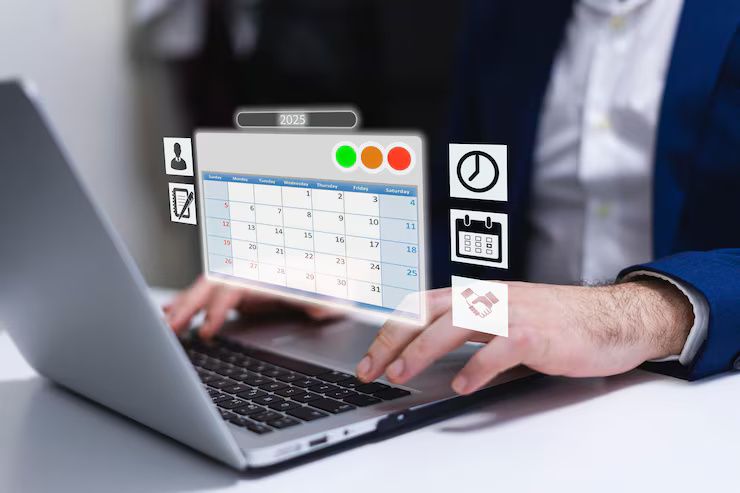
An employee attendance tracker provides a structured way to record attendance information without relying entirely on scattered spreadsheets, paper records, or informal communication. When designed and used properly, an attendance tracking system can make everyday recordkeeping easier while giving managers and employees a clearer view of work schedules and attendance patterns.
What Is an Employee Attendance Tracker?
An employee attendance tracker is a tool or system used to record and organize employee attendance information. Depending on the workplace, it may track details such as working days, arrival and departure times, absences, leave, breaks, remote work, and attendance status.
Simple trackers may use spreadsheets with manually entered information. More advanced workplace recordkeeping tools can organize attendance data through digital dashboards, automated records, scheduling features, notifications, and reporting functions.
The primary purpose is not simply to count working days. A useful tracker creates a consistent record that can help an organization understand attendance information and manage routine administrative processes more effectively.
Why Accurate Attendance Records Matter
Accurate attendance records support several practical workplace activities. Managers can use them to understand staffing patterns, identify scheduling gaps, and maintain consistent records across departments.
For employees, clear attendance records can reduce confusion about schedules, approved leave, and recorded working days. When information is documented consistently, it becomes easier to review a particular period and resolve discrepancies.
Attendance data can also contribute to broader workforce planning. Patterns such as recurring absences, frequent schedule changes, or staffing shortages may become easier to identify when information is organized in one place.
However, attendance records should be interpreted carefully. A pattern does not automatically explain why an employee was absent or late, so organizations should avoid making conclusions based only on numerical data.
Key Features of an Effective Attendance Tracker
Different workplaces require different tracking methods, but several capabilities are commonly useful.
Employee and Schedule Records
A tracker should make it straightforward to associate attendance information with the appropriate employee, department, date, and scheduled work period. Consistent records are particularly important when teams have different working hours.
Attendance Status
Useful attendance categories may include present, absent, late, on leave, remote, or another status appropriate to the organization's policies. Clearly defined categories reduce ambiguity when records are reviewed.
Time Records
For workplaces that need more detailed information, tracking arrival and departure times can provide a clearer picture of working periods. Breaks and schedule adjustments may also be recorded where relevant.
Leave and Absence Tracking
Integrating approved leave and absence information can prevent employees from being incorrectly marked as absent. A well-structured tracker should distinguish between different types of approved and unapproved attendance events according to workplace policies.
Reporting and Summaries
Summary views can make large amounts of attendance information easier to understand. Reports may organize records by employee, department, date range, attendance status, or other relevant categories.
Choosing the Right Attendance Tracking Approach
There is no single attendance tracking method that fits every organization. The appropriate approach depends on workforce size, working arrangements, scheduling complexity, administrative requirements, and existing workplace processes.
A small team with predictable schedules may only need a straightforward spreadsheet or shared digital record. Larger organizations may require a more structured system capable of handling multiple departments, locations, schedules, and reporting requirements.
Hybrid and remote workplaces may also need attendance categories that reflect different working arrangements. In these environments, simply recording whether someone entered a physical workplace may not accurately represent their scheduled work status.
The important consideration is whether the tracking method creates records that are consistent, understandable, accessible to authorized users, and appropriate for the organization's policies.
Best Practices for Workplace Attendance Recordkeeping
An attendance tracker becomes more useful when supported by clear procedures.
First, establish consistent definitions for attendance statuses. Employees and managers should understand what terms such as late, absent, remote, leave, and scheduled work mean within the organization.
Second, update records consistently. Delayed or irregular data entry can create gaps that make later reviews more difficult.
Third, establish a process for correcting mistakes. Attendance records can contain legitimate errors, such as incorrect dates or missed entries. Corrections should be documented rather than silently replacing historical information.
Fourth, limit access to appropriate personnel. Attendance information can contain employee-related data, so organizations should use reasonable access controls and follow applicable privacy and workplace requirements.
Finally, periodically review the tracking process itself. If employees frequently misunderstand categories or managers repeatedly make manual corrections, the underlying process may need improvement.
Common Challenges With Attendance Tracking
Manual attendance records can create several problems. Data entry mistakes, inconsistent formatting, missing information, and duplicate records can reduce reliability over time.
Another challenge is handling different schedules. Employees may work shifts, flexible hours, compressed schedules, or remote arrangements, making a simple present-or-absent model inadequate.
Privacy is another important consideration. Organizations should collect only information that is appropriate for legitimate workplace recordkeeping purposes and should handle employee information responsibly.
There is also a risk of treating attendance data as a complete measure of employee performance. Attendance records describe specific workplace events; they do not provide a complete assessment of productivity, contribution, work quality, or individual circumstances.
How to Make an Attendance Tracker More Useful
A practical attendance tracker should prioritize clarity over unnecessary complexity. Start by identifying exactly what information needs to be recorded and who needs access to it.
Useful fields might include:
- Employee name or identification number
- Department or team
- Date
- Scheduled work status
- Attendance status
- Start and end time, when applicable
- Leave or absence category
- Notes for authorized corrections
Standardized fields make information easier to filter and review. Consistent date formats, clearly defined categories, and controlled editing permissions can also reduce avoidable errors.
For organizations using digital tools, periodic backups and appropriate data retention practices can further support reliable recordkeeping.
Frequently Asked Questions
What is the main purpose of an employee attendance tracker?
Its main purpose is to organize attendance information consistently, including working days, absences, schedules, leave, and other relevant attendance events.
Can an attendance tracker be used for remote employees?
Yes. A tracker can include remote or hybrid work statuses when those categories are relevant to the organization's work arrangements and policies.
Is a spreadsheet enough for attendance tracking?
For smaller teams with straightforward schedules, a well-designed spreadsheet may be sufficient. More complex organizations may need additional functionality for scheduling, reporting, access control, and record management.
How often should attendance records be reviewed?
Records should generally be updated consistently and reviewed according to the organization's administrative procedures. Regular review can help identify missing or inconsistent information before it becomes difficult to correct.
Should attendance data determine employee performance?
Attendance information can provide useful operational context, but it should not be treated as a complete measure of performance. Other factors and workplace policies should be considered.
Conclusion
An employee attendance tracker can provide a practical foundation for organized workplace recordkeeping. Its value comes from creating consistent, understandable records that help employees and managers manage schedules, attendance, leave, and related administrative information.
The best approach is not necessarily the most complicated one. A suitable tracker should match the organization's workforce structure, clearly define attendance categories, protect sensitive information, and provide reliable records that can be reviewed when needed. By combining an appropriate tracking method with clear procedures, organizations can make attendance management more structured while reducing unnecessary confusion and recordkeeping errors.