Excavators are widely used in construction, mining, road development, demolition, agriculture, landscaping and other heavy-duty applications. Because these machines frequently operate under demanding conditions, individual components can experience wear, vibration, heat, pressure and mechanical stress over time. Understanding excavator spare parts helps equipment owners, operators and maintenance professionals identify components correctly and plan maintenance more effectively.
An excavator consists of several interconnected systems, including the engine, hydraulic system, undercarriage, electrical system, operator controls, boom, arm and bucket assembly. Each system contains components with a specific function, and the condition of one component can influence the performance of other parts. A structured approach to excavator maintenance therefore requires an understanding of both individual replacement parts and the larger machine system.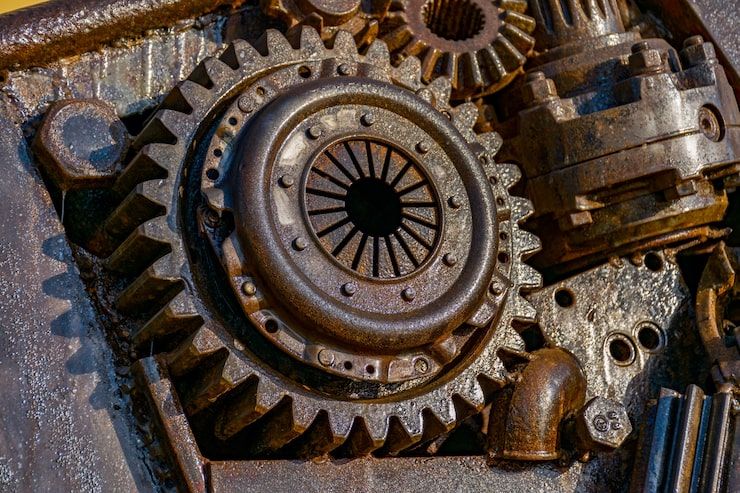
Why Excavator Spare Parts Matter
Excavator spare parts play an important role in maintaining machine reliability and operational performance. Components such as hydraulic filters, track rollers, bucket teeth, seals, hoses, bearings and belts can gradually wear as a machine accumulates operating hours. Regular inspection can help identify abnormal wear before it develops into a larger mechanical problem.
The importance of replacement components is particularly noticeable in construction and mining environments where excavators may work for extended periods under heavy loads. Dust, mud, abrasive materials and uneven surfaces can increase stress on undercarriage components, while high hydraulic pressure can place considerable demands on pumps, valves, cylinders and hoses.
Using the correct component also matters because excavators are designed around specific dimensions, tolerances, pressure ratings and connection systems. A part that appears similar externally may not necessarily be suitable for a particular machine configuration.
Main Types of Excavator Spare Parts
Excavator Undercarriage Parts
The undercarriage supports the machine and allows it to move across the working surface. It includes components such as track chains, track shoes, rollers, idlers, sprockets and related hardware. These components experience continuous contact with the ground and can therefore be among the most frequently inspected excavator parts.
Track rollers support the weight of the machine while allowing the track assembly to move. Idlers help guide the track, while sprockets engage with the track chain. Track shoes provide the contact surface between the machine and the ground. Wear patterns across these components can provide useful information about operating conditions and maintenance requirements.
Hydraulic Excavator Parts
The hydraulic system is one of the most important systems in a modern excavator. Hydraulic pressure transfers power to cylinders and motors that control movements such as lifting, digging, swinging and traveling.
Common hydraulic replacement parts include hydraulic pumps, cylinders, valves, hoses, seals, filters and fittings. Hydraulic cylinders use pressurized fluid to produce linear movement, while hydraulic motors provide rotational movement for functions such as travel and swing.
Hydraulic components require careful inspection because leaks, contamination, excessive heat and incorrect fluid levels can affect machine performance. Hydraulic oil filtration is also important because contaminants can damage precision components inside the hydraulic system.
Excavator Engine Parts
The engine provides the primary power required by the excavator. Depending on the machine design, engine-related spare parts can include air filters, fuel filters, oil filters, belts, hoses, gaskets, sensors and other service components.
Engine maintenance should follow the manufacturer's recommended service intervals and specifications. Filters are particularly important because clean air and fuel support efficient engine operation, while clean engine oil helps protect internal components from excessive friction and contamination.
Excavator Electrical Parts
Modern excavators depend on electrical and electronic systems for monitoring, control and machine operation. Electrical components may include batteries, alternators, starter motors, wiring harnesses, sensors, switches, control modules and displays.
Electronic systems can help operators monitor engine parameters, hydraulic conditions, temperatures and other machine functions. When an electrical problem occurs, accurate diagnosis is important because replacing unrelated components without identifying the underlying fault may not solve the problem.
Excavator Bucket Parts
The bucket is one of the most visible working components of an excavator. Depending on the application, buckets can be designed for digging, trenching, grading, material handling or other tasks.
Common bucket wear components include bucket teeth, adapters, cutting edges, side cutters, pins and bushings. Bucket teeth experience direct contact with soil, rock and other materials, making them susceptible to wear. Inspection of teeth and cutting edges can help maintain digging performance and reduce unnecessary stress on the bucket structure.
Hydraulic Components and Their Functions
Hydraulic Pumps
The hydraulic pump converts mechanical power from the engine into hydraulic flow. The pump supplies pressurized fluid to different hydraulic circuits, allowing cylinders and motors to perform work.
Because hydraulic pumps operate under demanding pressure conditions, contamination and inadequate lubrication can contribute to component wear. Hydraulic pump problems may appear through reduced machine performance, unusual noise, overheating or inconsistent movement.
Hydraulic Cylinders
Hydraulic cylinders are responsible for many of the excavator's major movements. Boom, arm and bucket cylinders convert hydraulic pressure into controlled linear movement.
Cylinder components include barrels, pistons, rods, seals and other internal parts. Damaged seals can allow hydraulic fluid to escape or contaminants to enter the system. Regular inspection around cylinder rods and connections can help identify potential problems.
Hydraulic Hoses and Fittings
Hydraulic hoses transfer pressurized fluid between system components. They are exposed to vibration, movement, temperature changes and external abrasion.
A hose should be inspected for cracking, bulging, abrasion, leakage and damaged connections. Hydraulic systems operate at high pressure, so maintenance should be performed using appropriate safety procedures and manufacturer guidance.
How to Select Excavator Spare Parts
Identify the Machine Correctly
The first step in selecting an excavator replacement component is identifying the exact machine. Useful information can include the manufacturer, model, production series, machine configuration and serial number.
Different versions of the same excavator model may use different components. Checking the machine identification information can therefore reduce the risk of selecting an incompatible part.
Check Part Numbers and Specifications
Part numbers provide a more precise method of component identification than appearance alone. Dimensions, mounting points, thread types, pressure ratings and material specifications can also be important depending on the component.
For hydraulic components, specifications such as operating pressure, flow rate and connection type may be particularly important. For undercarriage parts, dimensions such as track pitch, roller configuration and shoe width can influence compatibility.
Consider Operating Conditions
The working environment should also be considered when evaluating excavator components. A machine operating in abrasive rock conditions may experience different wear patterns from one working primarily in soft soil.
Operating hours, load levels, ground conditions, climate and maintenance practices can all influence component life. Understanding these factors can help maintenance teams establish more practical inspection schedules.
OEM and Aftermarket Excavator Parts
Understanding OEM Parts
OEM refers to components produced by the original equipment manufacturer or supplied according to the manufacturer's specifications. OEM components are generally identified through manufacturer-specific part numbers and technical documentation.
The main consideration with OEM components is compatibility with the machine's intended design and specifications. However, buyers should still verify the exact part number and machine configuration rather than relying only on the machine brand.
Understanding Aftermarket Parts
Aftermarket excavator parts are manufactured by companies other than the original equipment manufacturer. They are available across many categories, including filters, wear parts, undercarriage components, seals and other replacement items.
Quality can vary between manufacturers and product categories. For this reason, specifications, manufacturing standards, material quality, dimensions and application compatibility should be examined before selecting an aftermarket component.
Common Signs That Excavator Parts Need Inspection
Several operating symptoms can indicate that an excavator requires inspection. Unusual hydraulic noise, slow movements, excessive vibration, hydraulic leakage, uneven track movement, reduced digging performance and abnormal engine behavior may all warrant further investigation.
Visible wear is another important indicator. Cracked hoses, damaged track shoes, worn bucket teeth, leaking cylinders and damaged electrical wiring should not be ignored. However, a visible symptom does not always identify the underlying cause. A qualified technician may need to inspect related systems before determining which component requires attention.
Excavator Spare Parts Maintenance
Follow a Preventive Maintenance Schedule
Preventive maintenance involves inspecting and servicing components before a major failure occurs. Maintenance schedules commonly include checks of engine oil, hydraulic fluid, filters, cooling systems, tracks, hoses, pins, bushings and attachments.
The appropriate maintenance interval depends on the excavator model and operating environment. Manufacturer maintenance documentation should therefore be used as the primary reference.
Keep Hydraulic Systems Clean
Hydraulic contamination can affect sensitive components such as pumps, valves and cylinders. Keeping hydraulic fluid clean and using appropriate filtration can help reduce contamination-related problems.
When hydraulic components are opened for maintenance, care should be taken to prevent dirt and moisture from entering the system.
Inspect Wear Components Regularly
Wear components should be inspected according to machine usage and operating conditions. Bucket teeth, cutting edges, track components and bushings can gradually lose material during operation.
Replacing a highly worn component at an appropriate maintenance point can help prevent additional stress on related components.
Excavator Spare Parts and Equipment Reliability
The condition of individual components can influence overall equipment reliability. For example, worn undercarriage components can affect track movement, while hydraulic contamination can influence multiple hydraulic components.
For fleet operators, maintaining accurate maintenance records can provide useful information about recurring failures and component wear. Recording operating hours, inspections, repairs and component replacements can also help identify maintenance patterns over time.
Trends in Modern Excavator Maintenance
Modern construction equipment increasingly incorporates electronic monitoring and machine data systems. These technologies can provide information about operating conditions, fault codes, service intervals and machine performance.
Condition-based maintenance is another area receiving attention across heavy equipment operations. Instead of relying exclusively on fixed maintenance intervals, condition-based approaches use inspection results, machine data and component condition to determine when additional maintenance may be appropriate.
Telematics systems can also provide information about machine utilization and operating behavior. When combined with proper maintenance records, such information can support more organized equipment management.
Frequently Asked Questions About Excavator Spare Parts
What are the most common excavator spare parts?
Common excavator spare parts include filters, hydraulic hoses, seals, bucket teeth, track shoes, rollers, idlers, sprockets, belts, sensors, pins and bushings. The components requiring the most frequent attention depend on machine type and operating conditions.
How can I identify the correct excavator part?
Start with the excavator manufacturer, model and serial number. Then verify the component part number and technical specifications against reliable machine documentation. Dimensions and application requirements should also be checked before installation.
What is the difference between OEM and aftermarket excavator parts?
OEM components are associated with the original equipment manufacturer, while aftermarket components are produced by other manufacturers. The important considerations include compatibility, specifications, material quality, manufacturing standards and the intended application.
How often should excavator parts be inspected?
Inspection frequency depends on the machine model, operating hours, workload and working environment. Manufacturer maintenance recommendations should be the primary reference, with additional inspections when the machine operates under particularly demanding conditions.
Why are hydraulic components important in excavators?
Hydraulic components transfer power throughout many excavator functions. Pumps, cylinders, valves, hoses and motors work together to control boom, arm, bucket, swing and travel movements.
Conclusion
Excavator spare parts are an important part of maintaining construction and heavy equipment. Components across the hydraulic system, engine, undercarriage, electrical system and working attachments can experience different forms of wear depending on operating conditions.
A practical parts strategy begins with accurate machine identification, correct part numbers and appropriate technical specifications. Regular inspection, preventive maintenance and proper documentation can help equipment owners understand component condition and address potential problems in a structured way.
For an informational website, the most useful excavator parts content should focus on explaining components, maintenance principles, compatibility considerations and technical terminology. This creates genuine value for readers while keeping the article educational rather than promotional.