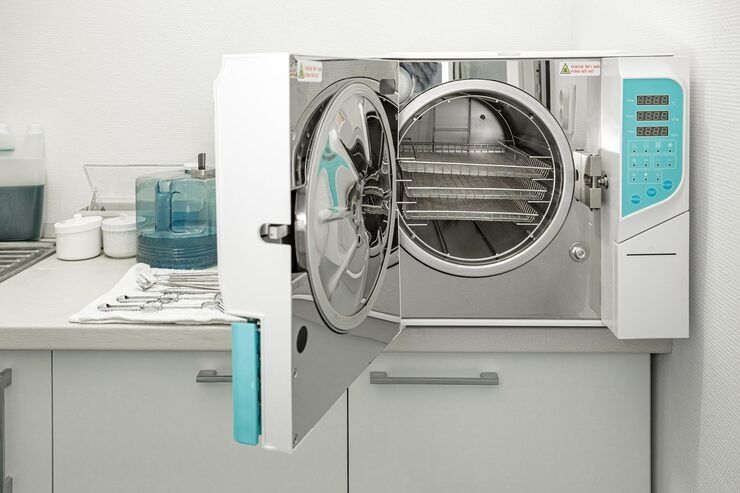
Autoclave machines are essential equipment used for sterilization and high-pressure steam treatment in laboratories, hospitals, manufacturing plants, and various industrial sectors. These machines operate on the principle of using pressurized saturated steam to eliminate microorganisms, spores, and contaminants from instruments, materials, and products.
The concept of autoclaving dates back to the 19th century when Charles Chamberland invented the first steam sterilizer in 1879. Over the decades, autoclaves have evolved from simple manual systems to highly automated, programmable machines designed for precision and efficiency.
Autoclaves are categorized into different types based on their size, pressure capacity, and application. The most common categories include medical autoclaves, laboratory autoclaves, and industrial autoclaves. Each serves a unique purpose, whether it’s sterilizing surgical instruments, preparing laboratory media, or curing composite materials in manufacturing.
Importance and Applications
Autoclave machines play a critical role in ensuring hygiene, safety, and quality assurance across a wide range of fields. In healthcare, autoclaves are indispensable for sterilizing medical instruments and surgical tools, preventing infection and contamination. In industrial and research environments, they are used for material processing, testing, and quality control.
Key reasons why autoclaves matter today:
-
Public Health and Safety: Prevents the spread of infections by sterilizing reusable items.
-
Industrial Quality Assurance: Ensures materials like rubber, composites, and glass are properly treated.
-
Scientific Research Integrity: Maintains sterile laboratory conditions and prevents cross-contamination.
-
Environmental Protection: Helps manage biohazardous waste through sterilization before disposal.
| Sector | Primary Application of Autoclaves | Example Materials/Processes |
|---|---|---|
| Healthcare | Sterilization of instruments and waste | Surgical tools, syringes, linens |
| Research & Labs | Preparation of sterile media and samples | Agar, lab glassware, cultures |
| Manufacturing | Curing and bonding under heat and pressure | Rubber, composites, fiber materials |
| Food & Beverage | Sterilization of packaged goods | Canned food, beverage containers |
| Aerospace & Automotive | Strengthening and bonding of components | Carbon fiber composites |
Autoclaves help maintain global standards in safety, sanitation, and manufacturing efficiency. Their versatility across sectors highlights their relevance in both healthcare innovation and industrial productivity.
Recent Updates and Trends
In recent years, the autoclave industry has experienced significant advancements influenced by automation, sustainability, and digital monitoring technologies. Between 2024 and 2025, several updates have reshaped how autoclaves are designed and operated.
| Trend/Update | Description | Timeline |
|---|---|---|
| Smart Autoclaves | Integration of IoT sensors for remote monitoring and data analytics. | 2024–2025 |
| Energy-Efficient Models | Development of vacuum-assisted and low-water consumption autoclaves. | 2025 |
| Touchless Operation Systems | Enhancements in digital control panels and automated loading. | 2024 |
| Hybrid Heating Technologies | Combining electric and steam-based systems for faster sterilization. | 2025 |
| Advanced Safety Standards | Updates in ASME and ISO codes to ensure operator safety. | 2024 |
A notable change in 2024 was the introduction of ASME BPVC (Boiler and Pressure Vessel Code) Section VIII updates, which standardized safety mechanisms in pressure-based sterilization equipment. Similarly, the World Health Organization (WHO) introduced revised sterilization guidelines to improve healthcare waste management efficiency in hospitals worldwide.
Modern autoclaves are now equipped with digital tracking systems that log temperature, pressure, and cycle duration data automatically, ensuring documentation accuracy for audits and certifications. Additionally, portable autoclaves designed for rural clinics and mobile labs are gaining attention for improving accessibility in resource-limited regions.
Regulations, Standards, and Policies
Autoclave machines are regulated by a variety of national and international standards to ensure they meet safety, quality, and environmental requirements. These regulations govern aspects like pressure ratings, material strength, sterilization validation, and waste disposal.
Key Global Standards:
-
ASME Boiler and Pressure Vessel Code (BPVC): Governs the design and construction of pressure-based autoclaves.
-
ISO 17665: Specifies sterilization standards using moist heat for healthcare applications.
-
EN 285: European standard for large steam sterilizers used in hospitals.
-
FDA (U.S. Food and Drug Administration): Classifies medical autoclaves as regulated devices requiring performance validation.
-
CE Marking (EU): Certifies autoclaves for conformity with European health and safety directives.
-
BIS IS 3829 (India): Establishes guidelines for steam sterilization equipment and testing methods.
Government and Regulatory Frameworks:
-
Occupational Safety and Health Administration (OSHA): Sets safety practices for handling and operating pressurized equipment.
-
Environmental Protection Agency (EPA): Regulates the sterilization and disposal of biohazardous materials post-autoclaving.
-
Ministry of Health and Family Welfare (India): Oversees autoclave use in medical and diagnostic laboratories.
-
European Pressure Equipment Directive (PED): Controls the design and testing of industrial autoclaves across Europe.
Compliance with these standards ensures that autoclave machines are safe, efficient, and environmentally responsible, reducing risks to operators and ensuring consistent sterilization performance.
Tools, Apps, and Helpful Resources
With the rise of digitalization, several online tools and platforms now support the operation, monitoring, and maintenance of autoclave systems. These resources provide useful data tracking, performance analytics, and maintenance scheduling assistance.
Useful Tools and Applications:
-
Autoclave Pressure Calculator: Helps determine safe operating pressure and temperature combinations.
-
Sterilization Cycle Logger (App): Records and graphs autoclave cycle data for audits.
-
ASME Material Selector: Online reference for choosing materials that meet autoclave construction standards.
-
WHO Sterilization Validation Guide: Official resource for healthcare sterilization procedures.
-
Steam Cycle Efficiency Tracker: Software for optimizing energy use in autoclave systems.
Educational and Reference Websites:
-
ASME Digital Library – Access to standards and pressure vessel design references.
-
ISO Online Database – Documentation on sterilization and testing standards.
-
Engineering Toolbox – Formulas and calculators for temperature-pressure relationships.
-
CDC Infection Control Guidelines – Procedures for healthcare sterilization and infection prevention.
-
EPA Resource Hub – Waste management standards for autoclaved materials.
Example Table – Autoclave Temperature and Pressure Relationship
| Temperature (°C) | Pressure (bar) | Exposure Time (minutes) |
|---|---|---|
| 110°C | 0.4 | 60 |
| 121°C | 1.1 | 30 |
| 134°C | 2.1 | 10 |
| 140°C | 2.7 | 5 |
Understanding this relationship helps ensure optimal sterilization without damaging sensitive materials. Advanced autoclaves automatically adjust these parameters based on the selected load type and sterilization cycle.
Frequently Asked Questions
What is the main function of an autoclave machine?
An autoclave uses high-pressure saturated steam to sterilize equipment, materials, or waste by eliminating microorganisms and contaminants.
Where are autoclaves commonly used?
Autoclaves are used in healthcare facilities, laboratories, research institutions, food processing, and manufacturing industries for sterilization and material processing.
How does an autoclave differ from a dry heat sterilizer?
An autoclave uses moist heat (steam) under pressure, while a dry heat sterilizer uses hot air. Steam sterilization is generally faster and more effective for most applications.
Are autoclaves environmentally friendly?
Yes, modern autoclaves are designed for energy efficiency and water conservation. They also help manage biohazard waste responsibly before disposal.
What safety measures are necessary during autoclave operation?
Operators should ensure proper sealing, pressure calibration, and periodic maintenance. Using safety valves, wearing protective gear, and following operating manuals are critical steps.
Conclusion
Autoclave machines are indispensable tools for sterilization, material processing, and quality assurance in modern industries. Their ability to provide a controlled environment of heat and pressure makes them vital for ensuring safety, hygiene, and reliability across diverse applications — from hospitals and laboratories to aerospace manufacturing.
The recent shift toward digital monitoring, eco-friendly systems, and smart automation reflects the industry’s commitment to innovation and sustainability. With consistent updates to international standards and government policies, autoclave technology continues to evolve to meet higher levels of safety and efficiency.
Understanding autoclave principles, standards, and proper usage helps professionals achieve optimal results in sterilization and thermal processing — ensuring both compliance and long-term reliability in critical operations.