Orthopedic implants are advanced medical devices designed to support, replace, or restore damaged bones, joints, and musculoskeletal structures. These implants play an important role in modern healthcare by helping patients recover from injuries, degenerative conditions, fractures, and joint-related problems.
With advancements in medical engineering, orthopedic implants have evolved from simple mechanical supports into highly designed systems created with advanced materials, precision manufacturing technologies, and improved biological compatibility.
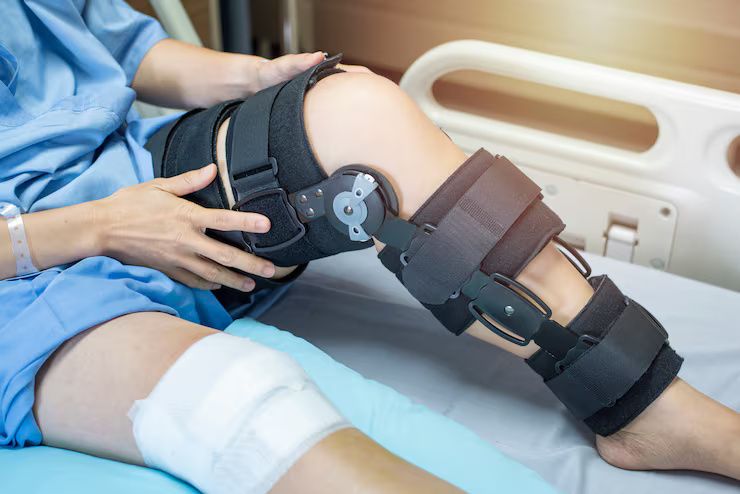
Today, orthopedic implants are widely used in procedures involving the hip, knee, spine, shoulder, and other parts of the skeletal system. Their development combines medical knowledge, material science, biomechanics, and advanced manufacturing techniques.
This guide explains different types of orthopedic implants, manufacturing technologies, surgical applications, materials used, and recent advancements in orthopedic implant technology.
What Are Orthopedic Implants?
Orthopedic implants are medical devices placed inside the body to repair, replace, or support damaged bones and joints. They are designed to restore movement, improve structural stability, and assist the natural healing process.
These implants are commonly used when bones or joints are affected by:
- Severe injuries
- Fractures
- Joint degeneration
- Spinal conditions
- Bone deformities
Orthopedic implants are carefully designed to withstand mechanical stress while maintaining compatibility with human tissues.
Common orthopedic implants include:
- Joint replacement implants
- Bone fixation devices
- Spinal implants
- Trauma implants
- Sports injury repair devices
Importance of Orthopedic Implants in Modern Healthcare
Orthopedic implants have transformed the treatment of many musculoskeletal conditions. They allow surgeons to restore damaged structures and improve mobility for patients.
The importance of orthopedic implants includes:
- Supporting bone healing after fractures
- Restoring joint movement
- Improving structural stability
- Helping patients regain physical function
For example, a hip replacement implant can replace a damaged joint surface, allowing smoother movement and reducing discomfort caused by joint damage.
Types of Orthopedic Implants
Different orthopedic conditions require different implant designs. Each type is developed according to specific anatomical and mechanical requirements.
Joint Replacement Implants
Joint replacement implants are designed to replace damaged or worn-out joint surfaces.
Common examples include:
- Hip implants
- Knee implants
- Shoulder implants
These implants are commonly used when natural joints become damaged due to age-related changes, injuries, or medical conditions.
Hip Implants
Hip implants replace damaged parts of the hip joint with artificial components.
A typical hip implant system includes:
- Femoral component
- Hip socket component
- Bearing surfaces
Modern hip implants are designed to provide smooth movement and long-term stability.
Knee Implants
Knee implants replace damaged areas of the knee joint.
They usually consist of components that replicate the function of the natural knee structure.
Knee implant designs focus on:
- Movement flexibility
- Load distribution
- Wear resistance
Bone Fixation Implants
Bone fixation implants are used to stabilize fractures and support bone healing.
Common examples include:
- Plates
- Screws
- Rods
- Pins
These devices hold broken bones in proper alignment while natural healing takes place.
Spinal Implants
Spinal implants are used to support spinal structures and address certain spinal conditions.
Examples include:
- Spinal fusion systems
- Artificial discs
- Vertebral support devices
These implants help maintain spinal stability and proper alignment.
Trauma Implants
Trauma implants are designed for emergency orthopedic procedures involving severe bone injuries.
They are commonly used in fracture treatment and accident-related orthopedic surgeries.
Examples include:
- Intramedullary nails
- Bone plates
- Fixation screws
Materials Used in Orthopedic Implants
Material selection is one of the most important aspects of orthopedic implant design. Materials must provide strength, durability, and compatibility with human tissues.
Titanium Alloys
Titanium alloys are widely used in orthopedic implants because of their strength, lightweight properties, and corrosion resistance.
They are commonly used for:
- Bone fixation devices
- Spinal implants
- Joint components
Titanium also has good compatibility with bone tissue, making it suitable for many medical applications.
Stainless Steel
Stainless steel has been used in orthopedic applications for many years.
It is valued for:
- Mechanical strength
- Durability
- Manufacturing flexibility
It is commonly used in trauma implants and temporary fixation devices.
Cobalt-Chromium Alloys
Cobalt-chromium alloys are known for their wear resistance and mechanical strength.
They are often used in joint replacement applications where durability is important.
Ceramic Materials
Ceramic materials are used in certain joint implant applications because of their hardness and wear resistance.
They can provide smooth movement surfaces in specific implant designs.
Polymer Materials
Medical-grade polymers are used in orthopedic implants as supporting or bearing materials.
They are commonly found in joint replacement systems where flexibility and reduced friction are important.
Manufacturing Technologies for Orthopedic Implants
Modern orthopedic implants require highly precise manufacturing processes to meet medical requirements.
Computer Numerical Control (CNC) Machining
CNC machining is widely used to manufacture orthopedic implant components with high precision.
This technology allows manufacturers to create complex implant shapes according to detailed designs.
Applications include:
- Joint components
- Bone fixation devices
- Surgical instruments
Additive Manufacturing and 3D Printing
3D printing has introduced new possibilities in orthopedic implant manufacturing.
This technology allows engineers to create complex structures that may be difficult to produce using traditional methods.
Benefits include:
- Customized implant designs
- Complex internal structures
- Improved design flexibility
Patient-specific implants can also be developed using digital medical imaging data.
Surface Treatment Technologies
Surface modification improves implant performance by enhancing interaction between the implant and surrounding bone tissue.
Common surface technologies include:
- Coating processes
- Surface texturing
- Chemical treatments
These techniques help improve implant integration and durability.
Precision Testing and Quality Control
Orthopedic implants undergo extensive testing before medical use.
Quality evaluation may include:
- Mechanical strength testing
- Material analysis
- Surface inspection
- Biocompatibility evaluation
Strict testing ensures implants meet required medical performance standards.
Surgical Applications of Orthopedic Implants
Orthopedic implants are used in various surgical procedures to restore damaged musculoskeletal structures.
Joint Replacement Surgery
Joint replacement procedures use implants to replace damaged joint surfaces.
Common procedures include:
- Hip replacement
- Knee replacement
- Shoulder replacement
These surgeries aim to improve movement and restore joint function.
Fracture Repair Surgery
Fracture repair procedures often use plates, screws, and rods to stabilize broken bones.
These implants maintain proper alignment while supporting natural healing.
Spinal Surgery
Spinal implants are used in procedures that require additional support for spinal structures.
They help maintain stability and correct alignment during recovery.
Sports Medicine Applications
Athletes and active individuals may require orthopedic implants after certain injuries.
Implants can support repair procedures involving:
- Ligaments
- Tendons
- Bones
- Joints
Medical Advancements in Orthopedic Implant Technology
Orthopedic implant technology continues to advance through innovations in materials, design, and digital healthcare.
Patient-Specific Implant Design
Advanced imaging technologies allow engineers to create implants based on individual anatomy.
Customized designs can improve implant fit and surgical planning.
Smart Orthopedic Implants
Research is exploring smart implant technologies that can monitor conditions inside the body.
Future implants may include sensors capable of providing information about:
- Implant performance
- Healing progress
- Mechanical conditions
Biocompatible and Bioactive Materials
Researchers are developing new materials designed to improve interaction between implants and biological tissues.
These materials aim to support better integration and long-term performance.
Robotic-Assisted Orthopedic Procedures
Robotic technologies are increasingly being used in orthopedic procedures.
They help surgeons improve planning, accuracy, and implant placement during certain operations.
Challenges in Orthopedic Implant Development
Although orthopedic implants have advanced significantly, several challenges remain.
Important challenges include:
- Long-term implant durability
- Material compatibility
- Infection prevention
- Implant wear over time
Researchers continue working on improved designs and materials to address these challenges.
Future Trends in Orthopedic Implants
The future of orthopedic implants is expected to focus on personalization, advanced materials, and intelligent technologies.
Emerging trends include:
- 3D-printed customized implants
- Artificial intelligence-assisted design
- Improved biomaterials
- Smart monitoring systems
These developments are expected to improve implant performance and create more personalized healthcare solutions.
Conclusion
Orthopedic implants are essential medical technologies that help restore movement, support bone healing, and improve quality of life for patients with musculoskeletal conditions.
From joint replacement systems and fracture fixation devices to advanced spinal implants, these medical devices combine engineering precision with healthcare innovation.
With advancements in 3D printing, smart materials, digital design, and robotic-assisted procedures, orthopedic implant technology continues to evolve toward more personalized and effective medical solutions.
This article is for informational purposes only and is not a substitute for professional medical advice, diagnosis, or treatment. Consultation with a qualified healthcare professional is recommended for personalized guidance.