Chemicals are at the core of modern civilization. From the food we eat and the medicines we take to the clothes we wear and the energy we use, essential chemicals form the foundation of countless processes and products. The term “essential chemicals” refers to substances that are crucial in multiple fields, including industry, medicine, and daily life applications.
Industries use chemicals in manufacturing, agriculture, textiles, construction, and energy production. Medicine depends on chemicals for the creation of life-saving drugs, vaccines, and diagnostic tools. Meanwhile, in our daily lives, chemicals are present in cleaning agents, personal care products, packaging materials, and even in safe drinking water treatment.
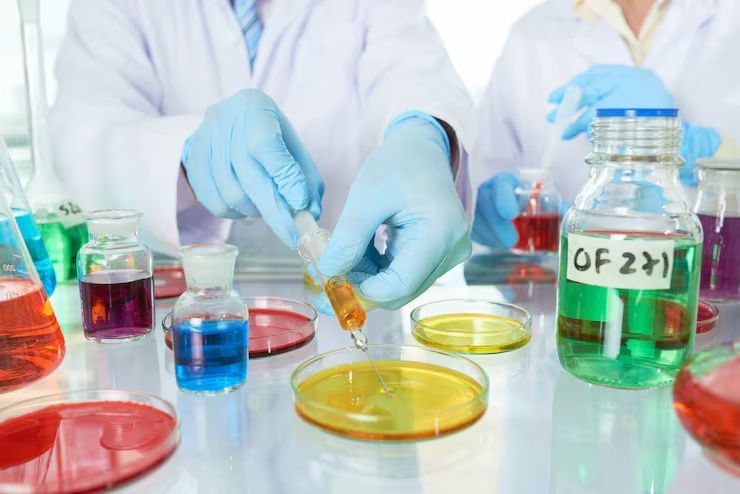
This topic exists because society cannot function without chemicals, yet it must balance their benefits with safety, sustainability, and environmental responsibility.
Importance
Understanding the role of essential chemicals is vital because it highlights both their benefits and the challenges they pose.
-
For industries: Chemicals are the backbone of production, innovation, and economic growth. For example, fertilizers and pesticides are critical to global food security.
-
For healthcare: Chemicals are the basis of pharmaceuticals, anesthetics, diagnostic dyes, and vaccines that save millions of lives every year.
-
For daily life: Everyday products—such as detergents, soaps, cosmetics, and plastics—depend on chemical ingredients.
| Area of Use | Examples of Chemicals | Benefits Provided |
|---|---|---|
| Industry | Ammonia, sulfuric acid, ethylene | Fertilizers, plastics, energy |
| Medicine | Aspirin, penicillin, insulin | Pain relief, infection control, chronic care |
| Daily Life | Sodium chloride, ethanol, surfactants | Food preservation, cleaning, hygiene |
At the same time, chemicals can pose risks if misused—such as pollution, health hazards, or workplace accidents. This makes awareness, regulation, and responsible use critical.
Recent Updates
The past year (2023–2024) has seen several important updates in the chemical sector:
-
Green Chemistry Expansion: There is a growing focus on “green chemistry,” which aims to design products and processes that minimize environmental impact. For example, bioplastics and biodegradable solvents gained wider adoption in 2023.
-
Pharmaceutical Advances: In 2023, chemical research contributed to the development of more effective antiviral drugs and cancer treatments using innovative chemical compounds.
-
Supply Chain Adjustments: Global disruptions, including the Russia-Ukraine conflict, affected raw material supply chains in 2023, prompting industries to diversify chemical sourcing.
-
Sustainable Fertilizers: In agriculture, newer formulations of fertilizers and pesticides that reduce soil damage were introduced in 2023, aligning with global food security goals.
-
Digital Tools in Chemistry: The rise of artificial intelligence (AI) in chemical research allowed faster molecule discovery, particularly in drug development.
These updates show how chemicals remain central to innovation while adapting to global sustainability and health priorities.
Laws or Policies
Government rules and international agreements regulate how chemicals are produced, stored, transported, and used. These policies are designed to protect human health, workers, and the environment.
-
European Union (EU REACH Regulation): The Registration, Evaluation, Authorisation, and Restriction of Chemicals (REACH) continues to enforce strict testing and safety standards. Updates in 2023 further limited the use of harmful substances like PFAS (per- and polyfluoroalkyl substances).
-
United States (Toxic Substances Control Act – TSCA): The Environmental Protection Agency (EPA) regulates chemical production and recently (2023) updated guidelines on risk evaluations for industrial chemicals.
-
India: The Draft Chemicals (Management and Safety) Rules, 2020—expected to progress in 2023–2024—aims to strengthen safety regulations for over 700 priority substances.
-
Global Frameworks: The Stockholm Convention (on persistent organic pollutants) and the Minamata Convention (on mercury) guide countries worldwide in restricting hazardous chemicals.
These frameworks ensure that while chemicals remain widely used, their impact is managed through careful monitoring, labeling, and disposal regulations.
Tools and Resources
For businesses, researchers, and even individuals, various tools and platforms exist to promote safe and informed use of chemicals:
-
Databases and Safety Resources
-
PubChem (by the U.S. National Institutes of Health): Provides open chemical information.
-
ChemSpider: Free database of over 60 million chemical structures.
-
European Chemicals Agency (ECHA): Offers safety data and guidance under REACH.
-
-
Regulatory Tools
-
Globally Harmonized System (GHS) of Classification and Labelling: Standardized labeling for chemical hazards.
-
Safety Data Sheets (SDS): Provide handling and storage instructions for chemicals.
-
-
Educational Platforms
-
Royal Society of Chemistry (RSC): Online resources for students and professionals.
-
Khan Academy Chemistry: Free lessons for beginners.
-
| Tool Type | Example | Purpose |
|---|---|---|
| Database | PubChem, ChemSpider | Access chemical properties and uses |
| Regulation | GHS, SDS | Ensure safe labeling and handling |
| Learning | RSC, Khan Academy | Build knowledge of chemical science |
These resources help in safe chemical use, innovation, and compliance with global standards.
FAQs
1. What are essential chemicals?
Essential chemicals are substances widely used in industries, healthcare, and daily applications because of their importance in production, medicine, or basic needs. Examples include ammonia (fertilizers), aspirin (medicine), and sodium chloride (food preservation).
2. Why are chemicals important in medicine?
Chemicals form the building blocks of pharmaceuticals, vaccines, and diagnostic agents. They are critical in treating illnesses, managing chronic diseases, and improving overall public health.
3. Are all chemicals harmful?
No. Many chemicals are safe and beneficial when used correctly. Harm usually arises from misuse, overexposure, or lack of proper regulation. For example, water and oxygen are also chemicals, essential for life.
4. How do governments regulate chemicals?
Governments implement policies, such as REACH in the EU or TSCA in the U.S., to evaluate, restrict, or ban harmful chemicals while ensuring safe use in industry and consumer products.
5. How can individuals use chemicals safely at home?
Always read product labels, store chemicals away from children, avoid mixing cleaning agents, and follow proper disposal methods to reduce risks.
Conclusion
Essential chemicals are deeply woven into the fabric of modern society. They power industries, advance medicine, and make everyday life safer and more convenient. However, their widespread use requires responsible handling, regulation, and innovation to minimize risks to people and the environment.
As new technologies, such as green chemistry and AI-driven discovery, shape the future of chemicals, society will continue to balance the benefits of essential substances with the need for safety and sustainability.