
Fiber laser cutting systems are advanced manufacturing machines that use a concentrated laser beam to cut a wide range of materials with high accuracy. They are commonly used in industries such as automotive manufacturing, aerospace, electronics, construction, and metal fabrication. These systems were developed as laser technology evolved, providing an efficient alternative to traditional mechanical cutting methods.
Unlike earlier laser systems that relied on different laser sources, fiber laser cutting systems use optical fibers to generate and deliver the laser beam. This design improves energy efficiency, cutting precision, and overall reliability. As manufacturing processes have become more automated, fiber laser technology has gained wider adoption across many industrial sectors.
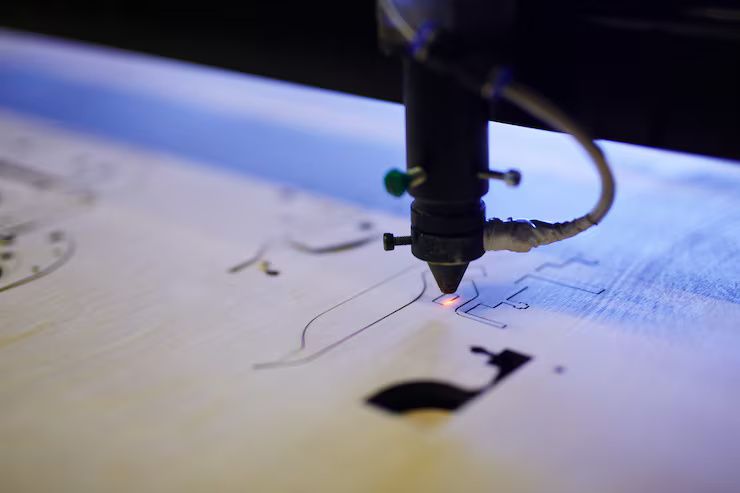
The growing demand for precise metal components, reduced material waste, and automated production has contributed to the increasing use of fiber laser cutting systems. Today, these machines support both large-scale industrial production and smaller manufacturing operations.
How Fiber Laser Technology Works
A fiber laser cutting system creates a powerful laser beam inside an optical fiber containing rare-earth elements. The laser beam is then directed through mirrors or optical components toward the material being processed.
When the laser reaches the material surface, the concentrated energy heats a very small area until it melts or vaporizes. A stream of assist gas removes the melted material, producing a clean and accurate cut.
The process is controlled by computer software, allowing manufacturers to create complex shapes while maintaining consistent quality.
Importance
Why Fiber Laser Cutting Systems Matter
Modern manufacturing requires components that meet strict quality standards. Fiber laser cutting systems help industries produce precise parts while reducing unnecessary material waste and improving production efficiency.
Many everyday products depend on accurately cut metal components, including household appliances, vehicles, medical equipment, communication devices, and construction materials.
The technology addresses several manufacturing challenges:
- High precision for detailed designs
- Consistent cutting quality across multiple parts
- Faster processing compared with many conventional cutting methods
- Reduced material waste through optimized cutting paths
- Compatibility with automated manufacturing systems
Industries That Use Fiber Laser Technology
Fiber laser cutting systems support a wide variety of industries.
| Industry | Common Applications |
|---|---|
| Automotive Manufacturing | Vehicle frames, body panels, brackets |
| Aerospace | Aircraft structural components |
| Construction | Steel beams, metal panels |
| Electronics | Precision metal enclosures |
| Medical Equipment | Stainless steel instruments |
| Industrial Manufacturing | Machine components and fabricated parts |
These industries benefit from accurate cutting while maintaining consistent production standards.
Everyday Impact
Although many people never see fiber laser cutting systems directly, they influence products used every day. Kitchen appliances, elevators, public transportation, communication equipment, and renewable energy systems often contain laser-cut metal components manufactured using this technology.
Recent Updates
Growing Manufacturing Automation
Recent developments have focused on integrating fiber laser cutting systems with automated production lines. Robotic material handling, automated loading systems, and digital production monitoring help manufacturers improve operational efficiency.
Many facilities now connect laser cutting equipment with factory management software to monitor machine performance and production schedules.
Artificial Intelligence Integration
Artificial intelligence has become increasingly important in laser manufacturing. Modern software can analyze cutting parameters, detect potential errors, and optimize cutting paths automatically.
These improvements help reduce production interruptions while maintaining consistent quality.
Improved Energy Efficiency
Manufacturers continue developing fiber laser technology with greater energy efficiency. Modern laser sources require less electrical power than many earlier laser systems while maintaining strong cutting performance.
This trend supports broader sustainability efforts across industrial manufacturing.
Expanded Material Compatibility
Current fiber laser cutting systems can process various materials, including:
- Carbon steel
- Stainless steel
- Aluminum
- Copper
- Brass
- Titanium
- Selected specialty alloys
Advances in laser control have improved cutting performance for reflective metals that were previously more difficult to process.
Smart Manufacturing
Industrial digitalization continues to influence laser technology. Many systems now include:
- Remote equipment monitoring
- Predictive maintenance alerts
- Digital production reporting
- Real-time machine diagnostics
- Cloud-based production management
These capabilities support more efficient manufacturing environments.
Laws or Policies
Workplace Safety Regulations
Fiber laser cutting systems operate under workplace safety regulations in many countries. These rules focus on protecting operators from laser radiation, electrical hazards, moving machinery, and airborne particles created during cutting.
Employers generally follow safety standards related to:
- Laser protection equipment
- Machine guarding
- Ventilation systems
- Operator training
- Emergency shutdown procedures
Environmental Regulations
Manufacturing facilities may also follow environmental regulations that address emissions, energy efficiency, and industrial waste management. Proper filtration systems help manage particles generated during cutting operations.
Many governments encourage manufacturing technologies that improve energy efficiency and reduce industrial emissions.
Quality Standards
Manufacturers frequently operate under internationally recognized quality management systems. These standards help ensure consistent production processes and reliable component quality across different industries.
Requirements vary depending on the country, industry, and application.
Tools and Resources
Several digital tools help engineers, manufacturers, and students understand or manage fiber laser cutting systems.
Common resources include:
- Computer-Aided Design (CAD) software for creating cutting designs
- Computer-Aided Manufacturing (CAM) software for generating cutting paths
- Material thickness reference charts
- Laser parameter calculators
- Manufacturing simulation software
- Production scheduling platforms
- Industrial equipment monitoring dashboards
- Quality inspection software
- Maintenance management systems
- Technical documentation libraries provided by equipment manufacturers
These resources assist with production planning, machine setup, and process optimization.
FAQs
What are fiber laser cutting systems used for?
Fiber laser cutting systems are used to cut metal components with high precision. They are commonly found in automotive manufacturing, aerospace, construction, electronics, and industrial fabrication.
How does fiber laser technology differ from traditional cutting methods?
Fiber laser technology uses a concentrated laser beam rather than mechanical cutting tools. This allows accurate cutting of detailed shapes while reducing direct contact between the tool and the material.
Which materials can fiber laser cutting systems process?
Many fiber laser cutting systems process stainless steel, carbon steel, aluminum, brass, copper, titanium, and several industrial alloys. Material thickness depends on machine specifications and cutting parameters.
Are fiber laser cutting systems suitable for automated manufacturing?
Yes. Many modern fiber laser cutting systems integrate with robotic handling equipment, automated production lines, and digital manufacturing software to support efficient production workflows.
Why is fiber laser technology becoming more common?
Fiber laser technology continues to expand because manufacturers increasingly seek precise cutting, improved energy efficiency, automation, and consistent product quality across a wide range of industrial applications.
Conclusion
Fiber laser cutting systems have become an important part of modern manufacturing by combining precision, automation, and efficient material processing. Ongoing advances in digital manufacturing, artificial intelligence, and energy-efficient laser sources continue to shape how these systems operate. As industries adopt smarter production methods, fiber laser technology remains an important solution for producing accurate metal components across many sectors while supporting evolving manufacturing standards.