Portable XRF analyzers are handheld analytical instruments used for rapid metal identification and elemental analysis. XRF stands for X-ray fluorescence, a non-destructive testing (NDT) technique that determines the chemical composition of materials by measuring the fluorescent (or secondary) X-rays emitted from a sample when it is excited by a primary X-ray source.
These devices are widely used in industrial quality control, alloy verification, scrap metal sorting, mining exploration, and environmental analysis. Portable XRF metal analyzers allow on-site testing without the need to send samples to a laboratory, improving efficiency in manufacturing and field operations.
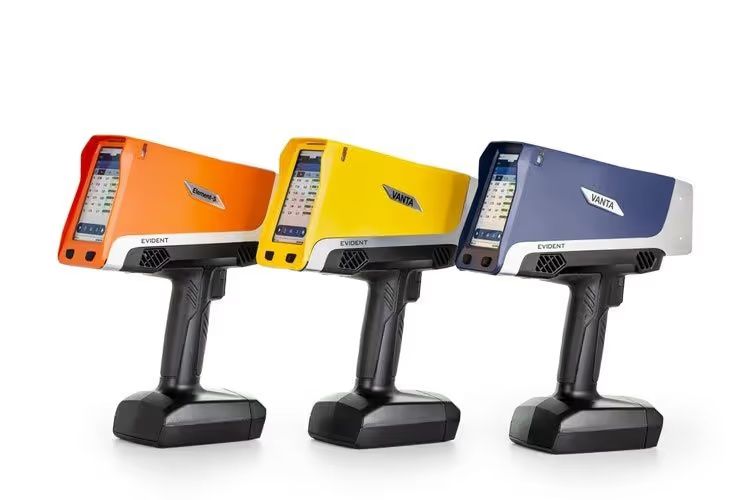
With advancements in detector technology, digital interfaces, and cloud-based data management, modern portable XRF analyzers offer high accuracy, fast measurement times, and field-ready durability.
Importance: Why Portable XRF Analyzers Matter
Metal composition accuracy is critical in industries where material quality directly affects safety, compliance, and performance.
1. Rapid On-Site Metal Identification
Provides immediate alloy verification without destructive sampling.
2. Quality Control in Manufacturing
Ensures materials meet required chemical specifications.
3. Regulatory Compliance Support
Helps confirm conformity with environmental and safety standards.
4. Reduced Laboratory Dependency
Minimizes delays associated with external lab testing.
5. Cost and Time Efficiency
Speeds up inspection processes in industrial environments.
Portable XRF technology supports industries such as aerospace, automotive manufacturing, oil and gas, mining, recycling, and construction.
Working Principle of Portable XRF Analyzers
Portable XRF analyzers operate based on the principle of X-ray fluorescence spectroscopy.
1. X-Ray Emission
The device emits primary X-rays toward the test sample.
2. Atomic Excitation
Atoms in the material become energized and emit secondary X-rays.
3. Fluorescent Signal Detection
The analyzer’s detector captures emitted X-ray wavelengths.
4. Elemental Identification
Each element produces a unique spectral signature.
5. Quantitative Analysis
Software calculates the concentration of elements present.
Because the process is non-destructive, the tested sample remains intact.
Main Types of Portable XRF Analyzers
Different models are designed for specific industrial needs.
1. Alloy Analyzer
Used for PMI (Positive Material Identification) and alloy verification.
2. Mining and Geochemical Analyzer
Identifies ore composition in field exploration.
3. Environmental Analyzer
Detects heavy metals in soil and coatings.
4. Precious Metal Analyzer
Measures gold, silver, platinum, and related elements.
5. Coating Thickness Analyzer
Determines plating thickness and surface treatments.
Portable XRF Applications by Industry
| Industry | Primary Use | Key Elements Tested |
|---|---|---|
| Oil & Gas | Positive Material Identification | Chromium, Nickel, Molybdenum |
| Aerospace | Alloy verification | Titanium, Aluminum |
| Mining | Ore grade analysis | Copper, Iron, Zinc |
| Recycling | Scrap sorting | Mixed alloy elements |
| Environmental | Soil testing | Lead, Mercury |
Industrial Applications of Portable XRF Analyzers
Portable XRF metal analyzers are used across multiple sectors.
1. Positive Material Identification (PMI)
Ensures pipeline and structural components match specifications.
2. Scrap Metal Recycling
Sorts materials efficiently to improve material value recovery.
3. Mining Exploration
Identifies mineral concentrations in rock samples.
4. Manufacturing Quality Control
Verifies incoming raw materials and finished products.
5. Environmental Compliance Testing
Detects hazardous heavy metals in soil and coatings.
6. Automotive Industry
Analyzes lightweight alloy compositions.
Key Components of Portable XRF Systems
Modern handheld XRF analyzers integrate advanced technologies.
1. X-Ray Tube
Generates primary X-ray radiation.
2. Silicon Drift Detector (SDD)
Captures high-resolution fluorescence signals.
3. Digital Signal Processor
Analyzes spectral data.
4. Shielded Housing
Ensures operator safety.
5. Touchscreen Interface
Displays real-time results and data logs.
Benefits of Portable XRF Metal Testing
Portable XRF technology provides several operational advantages.
1. Non-Destructive Testing
No damage to tested components.
2. Immediate Results
Fast analysis within seconds.
3. High Analytical Accuracy
Reliable elemental concentration measurement.
4. Portability
Field-ready and battery-operated systems.
5. Data Storage and Reporting
Digital export of compliance records.
Challenges & Considerations
Proper operation and calibration are essential for accurate results.
1. Surface Preparation
Contaminated surfaces may affect readings.
2. Detection Limits
Light elements may require specialized calibration.
3. Operator Training
Understanding spectral interpretation is important.
4. Radiation Safety Protocols
Devices must be handled according to safety guidelines.
5. Environmental Conditions
Extreme temperatures may affect performance.
Maintenance & Best Practices
Routine maintenance ensures measurement consistency.
1. Regular Calibration
Use certified reference materials for accuracy checks.
2. Window and Detector Inspection
Ensure clean and undamaged detector windows.
3. Software Updates
Maintain analytical performance enhancements.
4. Battery Health Monitoring
Ensure reliable field operation.
5. Compliance Documentation
Maintain testing logs for audits.
Frequently Asked Questions
What is a portable XRF analyzer?
It is a handheld device used to determine the elemental composition of metals using X-ray fluorescence technology.
Is XRF testing destructive?
No, it is a non-destructive testing method.
Which industries use portable XRF analyzers?
Oil and gas, aerospace, mining, recycling, automotive, and environmental sectors.
Can XRF detect precious metals?
Yes, specialized analyzers can measure gold, silver, and platinum group metals.
How accurate are portable XRF devices?
Modern devices provide high accuracy when properly calibrated and operated.
Conclusion
Portable XRF analyzers are essential tools for rapid, non-destructive metal testing in industrial and field environments. By using X-ray fluorescence technology, these instruments provide accurate elemental analysis within seconds, supporting quality control, compliance verification, and material identification.
As industries continue to demand faster inspection processes and stricter material standards, portable XRF analyzers remain a reliable and efficient solution for metal composition analysis.