
Heavy equipment operates across construction sites, mining operations, infrastructure projects, and industrial facilities where reliability and operational awareness directly influence productivity. Monitoring these valuable assets has become an essential part of modern fleet management, helping organizations understand equipment performance while supporting informed operational decisions
Advances in digital technologies have transformed traditional equipment oversight into continuous asset visibility. Modern monitoring systems combine telematics, onboard sensors, communication networks, and analytical software to provide accurate information about equipment location, utilization, operating conditions, and maintenance status.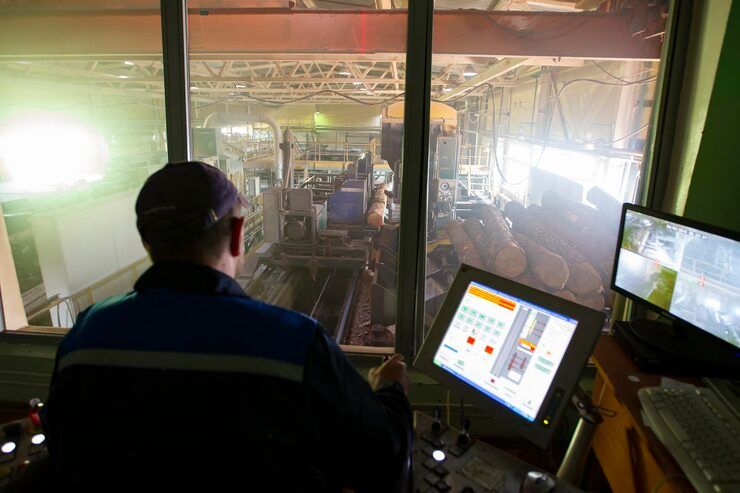
Understanding how heavy equipment monitoring systems function allows organizations to improve operational planning, enhance equipment availability, and maintain greater control over valuable machinery throughout its service life.
Why Asset Visibility Matters
Heavy equipment often operates across multiple job sites, remote locations, and changing environments. Without reliable visibility, tracking equipment utilization, identifying idle assets, or responding quickly to maintenance needs becomes increasingly difficult.
Modern monitoring systems provide centralized access to operational information, allowing managers to understand where equipment is located, how it is being used, and whether it is performing within expected operating parameters.
Improved visibility also supports better scheduling, resource allocation, and coordination between field operations and maintenance teams.
Core Technologies Behind Equipment Monitoring
Modern heavy equipment monitoring systems integrate several technologies that work together to collect, transmit, and interpret operational data.
Telematics Systems
Telematics serves as the communication backbone of most monitoring platforms. Installed hardware collects machine information and securely transmits it through cellular, satellite, or wireless communication networks.
Location tracking, operating hours, travel history, fuel consumption, and equipment status can all be viewed through centralized management platforms, providing near real-time awareness across an entire fleet.
Integrated Sensors
Sensors continuously measure equipment operating conditions while machines remain in service.
Common monitoring parameters include:
- Engine temperature
- Hydraulic pressure
- Oil pressure
- Fuel level
- Battery condition
- Machine vibration
- Engine speed
- Load measurements
- Fluid temperatures
- Operating hours
Continuous measurement enables operators and maintenance personnel to recognize changing equipment conditions before they develop into larger operational issues.
Data Collection Supports Better Decision-Making
Monitoring systems generate significant amounts of operational data throughout each workday. Raw information becomes valuable only after it is organized into meaningful insights.
Modern software platforms convert collected data into dashboards, reports, performance indicators, and maintenance summaries that help users understand equipment behavior more effectively.
Managers can compare utilization rates across machines, identify underused assets, review equipment availability, and evaluate operational efficiency without manually gathering information from multiple job sites.
Historical performance records also provide valuable context when planning equipment replacement, maintenance schedules, or fleet expansion.
Maintenance Becomes More Predictive
Equipment monitoring systems contribute significantly to maintenance planning by continuously observing machine health rather than relying solely on fixed service intervals.
Performance trends, operating hours, and diagnostic information help maintenance teams determine when inspections or servicing may be required. This approach supports preventive maintenance while reducing unexpected equipment downtime.
Modern monitoring platforms may detect conditions such as abnormal temperatures, pressure variations, excessive idle time, or unusual operating patterns that warrant further inspection before equipment performance is affected.
Predictive maintenance strategies help extend equipment life while supporting more efficient maintenance planning.
Improving Equipment Utilization
Heavy equipment represents a substantial operational investment, making utilization one of the most closely monitored performance indicators.
Monitoring systems reveal how frequently machines are operating, how long they remain idle, and whether equipment is assigned efficiently across multiple projects.
Organizations can identify opportunities to redistribute assets, reduce unnecessary idle periods, and improve scheduling based on actual operational data rather than assumptions.
Higher visibility into equipment usage also supports long-term fleet planning by highlighting utilization trends across different equipment categories.
Supporting Operational Safety
Although monitoring systems are not a replacement for established safety procedures, they contribute valuable information that supports safer equipment operation.
Managers can review operating hours, equipment condition, maintenance history, and selected machine events to verify that assets remain suitable for continued operation.
Some monitoring solutions also record abnormal operating conditions that encourage timely inspections before equipment returns to demanding work environments.
Accurate maintenance documentation further supports compliance with organizational maintenance programs and equipment management procedures.
Connectivity Across Modern Fleets
Heavy equipment monitoring increasingly depends on connected digital ecosystems rather than isolated machines.
Cloud-based platforms allow authorized users to access equipment information from multiple locations using computers, tablets, or mobile devices. This centralized approach improves communication between project managers, maintenance departments, equipment coordinators, and field operators.
Integration with enterprise maintenance systems, inventory management platforms, and production reporting software further enhances operational coordination across large fleets.
As industrial connectivity continues evolving, monitoring systems are becoming increasingly capable of supporting data-driven decision-making throughout equipment lifecycles.
Considerations When Implementing Monitoring Systems
Successful implementation involves more than installing tracking hardware. Organizations should evaluate operational objectives, equipment compatibility, communication infrastructure, and data management practices before deployment.
Important considerations include:
- Fleet size and equipment diversity
- Communication network availability
- Data security requirements
- Software integration capabilities
- Maintenance workflow compatibility
- Reporting and analytics needs
- User training requirements
Careful planning helps ensure monitoring systems provide practical operational value while fitting naturally into existing maintenance and fleet management processes.
Frequently Asked Questions
What information do heavy equipment monitoring systems collect?
Most systems collect location data, engine hours, fuel usage, operating status, machine diagnostics, maintenance information, and selected performance metrics through integrated telematics and onboard sensors.
How does asset visibility improve fleet management?
Improved visibility allows organizations to track equipment utilization, monitor machine health, coordinate maintenance activities, optimize equipment allocation, and make more informed operational decisions.
Are monitoring systems useful for smaller equipment fleets?
Yes. Even smaller fleets can benefit from centralized equipment tracking, maintenance scheduling, utilization reporting, and improved operational awareness, particularly when equipment operates across multiple locations.
Conclusion
Heavy equipment monitoring systems have become an important component of modern asset management by combining telematics, sensor technology, connectivity, and operational analytics into a unified visibility platform. Rather than simply tracking machine locations, these systems provide meaningful insight into equipment utilization, maintenance requirements, and overall operational performance.
As digital technologies continue advancing, organizations that adopt comprehensive monitoring strategies will be better positioned to manage equipment efficiently, improve maintenance planning, and maintain greater visibility across increasingly complex production and construction environments.