
Modern agriculture continues to evolve as growers seek methods that improve resource efficiency, increase productivity, and support year-round cultivation.
One of the most significant developments in controlled environment agriculture is the hydroponic greenhouse. By combining hydroponic growing techniques with a protected greenhouse structure, growers can create highly controlled conditions that support consistent plant development while reducing dependence on traditional soil cultivation.
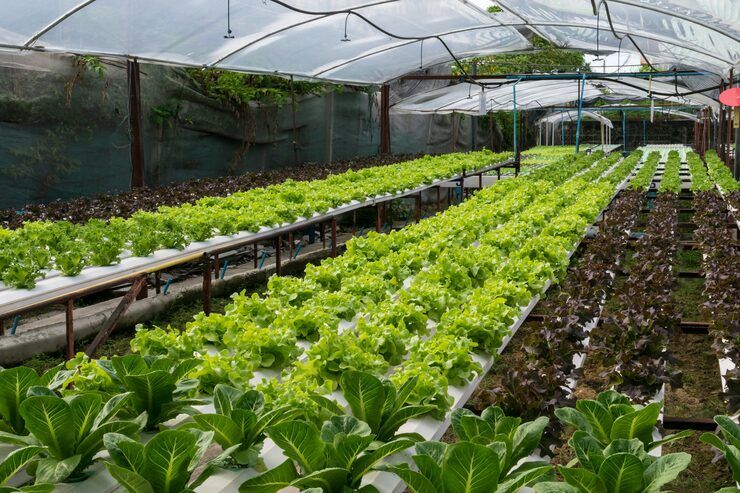
A hydroponic greenhouse allows plants to receive carefully balanced water, nutrients, light, and environmental conditions throughout their growth cycle. Whether used for small-scale educational projects or commercial hydroponics, these systems offer flexibility for growing vegetables, herbs, fruits, and ornamental plants in diverse climates.
This guide explains how hydroponic greenhouse systems work, the equipment involved, common system designs, plant management practices, and the latest innovations shaping hydroponic farming.
What Is a Hydroponic Greenhouse?
A hydroponic greenhouse is a controlled growing environment where plants are cultivated without soil. Instead, plant roots receive water enriched with essential nutrients through specially designed hydroponic systems while the greenhouse protects crops from many environmental fluctuations.
Unlike conventional farming, hydroponic farming delivers nutrients directly to plant roots in carefully managed concentrations. The greenhouse structure further supports plant growth by regulating temperature, humidity, airflow, and light exposure.
This combination creates an environment where plants can develop efficiently while reducing many of the challenges associated with outdoor agriculture.
How Hydroponic Greenhouse Systems Work
Hydroponic greenhouse systems replace soil with water-based nutrient delivery. Plant roots are supported using inert growing media or suspended directly within nutrient solutions, depending on the selected system design.
The basic process includes:
- Water is mixed with balanced plant nutrients.
- The nutrient solution is circulated through the growing system.
- Plant roots absorb water, oxygen, and nutrients.
- Excess solution is often collected, filtered, and recirculated.
- Environmental controls maintain suitable growing conditions.
Continuous monitoring helps maintain stable conditions throughout each stage of plant development.
Main Components of a Hydroponic Greenhouse
Successful hydroponic greenhouse systems rely on several integrated components working together.
Greenhouse Structure
The greenhouse provides protection from changing weather conditions while allowing sunlight to reach the plants. Modern structures are designed to encourage efficient ventilation, light transmission, and temperature control.
Growing Channels or Containers
Plants are positioned in channels, troughs, towers, or containers depending on the hydroponic growing system being used.
Nutrient Reservoir
The reservoir stores the nutrient solution supplied to plant roots. Maintaining proper nutrient balance and water quality is essential for healthy growth.
Pumps and Irrigation Equipment
Pumps circulate nutrient-rich water through the system while irrigation components distribute the solution evenly across all growing areas.
Growing Media
Although hydroponics does not use soil, many systems support roots with inert materials such as:
- Rock wool
- Coconut coir
- Perlite
- Expanded clay pellets
- Vermiculite
These materials provide physical support while allowing water and oxygen to reach the roots.
Environmental Control Systems
Modern hydroponic greenhouse systems frequently include:
- Ventilation equipment
- Heating systems
- Cooling systems
- Humidity management
- Supplemental lighting
- Environmental sensors
These technologies help maintain stable growing conditions throughout the year.
Common Types of Hydroponic Growing Systems
Different hydroponic farming methods are designed to meet various crop requirements.
| Hydroponic Growing System | How It Works | Common Applications |
|---|---|---|
| Nutrient Film Technique (NFT) | Thin nutrient solution flows through channels | Leafy greens and herbs |
| Deep Water Culture (DWC) | Roots remain suspended in oxygenated nutrient solution | Lettuce and leafy vegetables |
| Drip Irrigation System | Nutrient solution delivered directly to plant roots | Fruiting vegetables and mixed crops |
| Ebb and Flow System | Growing trays are periodically flooded and drained | Various vegetable crops |
| Aeroponic System | Nutrients delivered as a fine mist to suspended roots | Research and high-efficiency cultivation |
Each hydroponic growing system offers different advantages depending on crop type, greenhouse size, and management goals.
Benefits of Hydroponic Farming
Hydroponic farming offers several practical advantages when combined with greenhouse cultivation.
Efficient Water Use
Many hydroponic greenhouse systems recirculate nutrient solutions, reducing overall water consumption compared with many traditional irrigation methods.
Controlled Growing Environment
Temperature, humidity, and nutrient delivery can be monitored more consistently, supporting healthier plant development.
Reduced Soil-Related Challenges
Because plants grow without soil, hydroponic systems avoid many soil-borne issues while simplifying nutrient management.
Year-Round Production
Protected greenhouse environments allow cultivation during multiple seasons, depending on local climate conditions and environmental controls.
Space Optimization
Vertical growing systems and efficient greenhouse layouts can maximize production within limited growing areas.
Selecting Crops for a Hydroponic Greenhouse
Many crops perform well in hydroponic greenhouse systems.
Common choices include:
- Lettuce
- Spinach
- Kale
- Basil
- Mint
- Tomatoes
- Cucumbers
- Peppers
- Strawberries
- Microgreens
Crop selection should consider local climate, greenhouse capacity, available lighting, and system design.
Plant Management in Hydroponic Greenhouses
Healthy plant growth depends on careful monitoring throughout the growing cycle.
Nutrient Management
Plants require balanced supplies of essential nutrients, including nitrogen, phosphorus, potassium, calcium, magnesium, and trace elements.
Nutrient concentrations should be monitored regularly to support consistent plant development.
Water Quality
Water quality directly influences nutrient availability and root health.
Important factors include:
- pH balance
- Electrical conductivity (EC)
- Dissolved oxygen
- Water cleanliness
- Mineral content
Maintaining stable water conditions helps reduce plant stress.
Climate Management
Environmental conditions strongly influence growth rates.
Growers commonly monitor:
- Air temperature
- Root-zone temperature
- Relative humidity
- Carbon dioxide levels
- Air circulation
- Light intensity
Maintaining balance among these factors supports healthier crops.
Crop Monitoring
Regular inspections help identify changes in plant health before they become significant.
Monitoring may include:
- Leaf color
- Root condition
- Growth rate
- Flower development
- Fruit production
- Overall plant vigor
Early observation allows timely adjustments to growing conditions.
Greenhouse Design Considerations
Design plays an important role in the long-term performance of a hydroponic greenhouse.
Key considerations include:
Natural Light
Greenhouse orientation should maximize sunlight while minimizing excessive heat buildup.
Ventilation
Proper airflow helps regulate temperature, humidity, and carbon dioxide distribution throughout the growing area.
Accessibility
Walkways and equipment placement should allow convenient maintenance and crop management.
Drainage
Well-designed drainage systems help manage excess water while supporting clean working conditions.
Expansion Potential
Flexible layouts make it easier to increase production capacity as operational needs change.
Common Challenges in Hydroponic Greenhouse Systems
Even well-designed systems require ongoing management.
Some common challenges include:
Nutrient Imbalances
Incorrect nutrient concentrations may affect plant growth, leaf development, or fruit quality.
Equipment Maintenance
Pumps, irrigation lines, sensors, and filtration systems require routine inspection to maintain reliable operation.
Environmental Fluctuations
Unexpected changes in temperature, humidity, or lighting can influence plant performance if not addressed promptly.
Disease Prevention
Although hydroponic farming avoids many soil-related diseases, proper sanitation, water management, and greenhouse hygiene remain essential for healthy crops.
Routine maintenance and monitoring help reduce operational disruptions.
Sustainability in Commercial Hydroponics
Commercial hydroponics increasingly emphasizes resource efficiency and environmental responsibility.
Many operations incorporate:
- Water recirculation systems
- Energy-efficient lighting
- Rainwater collection
- Climate automation
- Renewable energy integration
- Waste reduction practices
- Precision nutrient management
These approaches help improve operational efficiency while supporting responsible agricultural practices.
Emerging Technologies in Hydroponic Greenhouse Systems
Advances in controlled environment agriculture continue to improve greenhouse performance.
Current innovations include:
- Artificial intelligence for environmental monitoring
- Automated nutrient dosing
- Smart irrigation systems
- Internet-connected environmental sensors
- Data-driven crop management
- Robotic harvesting support
- Predictive maintenance technologies
These developments allow growers to make informed decisions based on real-time environmental data.
Best Practices for Long-Term Success
Whether operating a small hydroponic growing system or a larger commercial greenhouse, several best practices support consistent results.
- Monitor water quality regularly.
- Maintain balanced nutrient solutions.
- Clean equipment routinely.
- Inspect plants frequently.
- Calibrate environmental sensors.
- Ensure adequate airflow.
- Manage sanitation carefully.
- Record environmental and crop data.
- Adjust growing conditions gradually.
- Plan maintenance schedules proactively.
Consistent management often contributes more to long-term success than relying on equipment alone.
Frequently Asked Questions
What is a hydroponic greenhouse?
A hydroponic greenhouse is a protected growing environment where plants are cultivated without soil using nutrient-rich water and carefully controlled environmental conditions.
How do hydroponic greenhouse systems differ from traditional farming?
Hydroponic greenhouse systems deliver nutrients directly to plant roots while controlling temperature, humidity, and lighting, whereas traditional farming relies primarily on soil and natural weather conditions.
Which crops are commonly grown in hydroponic farming?
Leafy greens, herbs, tomatoes, cucumbers, peppers, strawberries, and microgreens are among the crops frequently cultivated in hydroponic growing systems.
Is commercial hydroponics suitable for year-round production?
Many commercial hydroponics operations support year-round cultivation by using greenhouse structures and environmental control technologies that create stable growing conditions.
What factors are most important in hydroponic plant management?
Successful plant management depends on balanced nutrient delivery, water quality, environmental control, sanitation, regular monitoring, and proper equipment maintenance.
Conclusion
A hydroponic greenhouse combines controlled environment agriculture with efficient hydroponic growing techniques to support consistent plant development throughout the year. By integrating carefully designed hydroponic greenhouse systems, environmental controls, nutrient management, and routine plant monitoring, growers can cultivate healthy crops while improving resource efficiency.
As commercial hydroponics continues to advance through automation, smart monitoring technologies, and sustainable growing practices, hydroponic farming is becoming an increasingly important part of modern agriculture. Understanding greenhouse design, equipment selection, and effective plant management provides a strong foundation for anyone interested in exploring this innovative approach to crop production.