Industrial equipment forms the foundation of manufacturing, construction, energy, logistics, agriculture, food processing, and many other sectors.
From large production machinery to specialized pumps, compressors, conveyors, and automated control systems, these technologies help organizations transform raw materials, move products, manage processes, and maintain consistent operations.
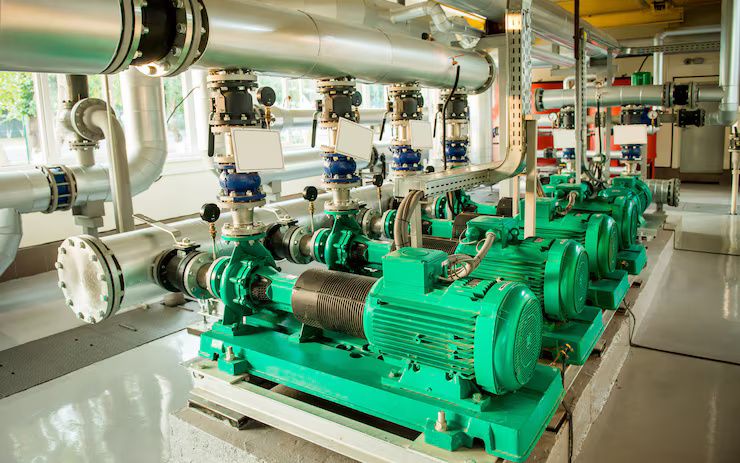
Understanding industrial equipment is useful for business professionals, engineering students, facility managers, maintenance teams, and anyone interested in how modern industrial systems operate. The field is broad, and equipment selection depends on factors such as application, operating environment, production requirements, safety considerations, and maintenance needs.
This guide explains the fundamentals of industrial equipment, explores major categories, examines the role of industrial equipment manufacturers and suppliers, and discusses how automation and digital technologies are changing modern industrial systems.
What Is Industrial Equipment?
Industrial equipment refers to machinery, tools, mechanical systems, electrical devices, and supporting technologies used to perform specific tasks in industrial environments.
Unlike consumer equipment, industrial machinery is generally designed for continuous or demanding applications. It may operate for extended periods, handle heavy materials, process large quantities of products, or function in challenging environments.
Examples include:
- Manufacturing machinery
- Material handling systems
- Pumps and compressors
- Industrial boilers
- Generators
- Processing equipment
- Packaging machinery
- Construction equipment
- Agricultural machinery
- Automation systems
Each category serves a different operational purpose, but many systems work together as part of a larger production or processing environment.
Why Industrial Equipment Is Important
Modern industries depend on reliable machinery to maintain productivity and operational consistency.
Well-designed industrial systems can support:
- Efficient production
- Consistent product quality
- Workplace safety
- Reduced manual effort
- Better resource utilization
- Improved process control
- Faster material movement
- Predictable maintenance
Industrial equipment also enables organizations to perform tasks that would be difficult, dangerous, or impractical through manual labor alone.
Major Categories of Industrial Equipment
Industrial equipment can be divided into several broad categories based on its function.
Manufacturing Equipment
Manufacturing machinery is used to transform raw materials into finished or semi-finished products.
Examples include:
- CNC machines
- Injection molding machines
- Extrusion systems
- Presses
- Cutting machines
- Welding equipment
- Assembly machinery
These systems are common in automotive, plastics, metalworking, electronics, and general manufacturing.
Material Handling Equipment
Material handling systems move, store, and organize materials throughout industrial facilities.
Common examples include:
- Conveyors
- Forklifts
- Cranes
- Hoists
- Automated storage systems
- Pallet handling equipment
Efficient material movement helps reduce unnecessary handling and supports smoother production workflows.
Process Equipment
Process equipment is used in industries where materials undergo physical or chemical transformation.
This category includes:
- Industrial mixers
- Reactors
- Heat exchangers
- Filtration systems
- Industrial dryers
- Separators
Chemical processing, food production, pharmaceutical manufacturing, and energy industries frequently rely on specialized process equipment.
Utility and Support Equipment
Industrial facilities also require equipment that supports core operations.
Examples include:
- Air compressors
- Industrial boilers
- Cooling systems
- Generators
- Water treatment systems
- Ventilation equipment
Although these systems may not directly produce finished products, they are essential to maintaining stable facility operations.
Understanding Industrial Equipment Components
Industrial machinery consists of multiple components that work together to perform a specific function.
Common components include:
- Motors
- Pumps
- Bearings
- Gearboxes
- Valves
- Sensors
- Controllers
- Hydraulic systems
- Pneumatic systems
- Electrical panels
A failure in one component can affect the performance of an entire system. This is why preventive maintenance and condition monitoring are important parts of industrial operations.
The Role of Industrial Equipment Manufacturers
Industrial equipment manufacturers design and produce machinery for specific applications and industries.
Their work typically involves:
- Engineering and design
- Material selection
- Manufacturing
- Assembly
- Quality testing
- System integration
- Technical documentation
Industrial equipment manufacturers may develop standardized machinery or create specialized systems designed around particular production requirements.
Engineering teams often consider factors such as operating conditions, load capacity, energy consumption, safety requirements, and maintenance accessibility during the design process.
Understanding Industrial Equipment Suppliers
Industrial equipment suppliers play an important role in connecting industrial organizations with machinery, components, and supporting products.
Depending on their specialization, suppliers may provide:
- Complete machinery
- Replacement components
- Maintenance parts
- Automation equipment
- Safety systems
- Industrial tools
- Technical support
The relationship between equipment users, suppliers, and manufacturers can influence long-term equipment reliability. Clear technical specifications and accurate application information help ensure that equipment is appropriate for its intended environment.
Industrial Equipment Companies and System Integration
Industrial equipment companies may operate across several areas, including manufacturing, engineering, automation, maintenance, and system integration.
System integration is particularly important in modern industrial environments because individual machines rarely operate completely independently.
A production line may combine:
- Mechanical machinery
- Electrical systems
- Sensors
- Programmable logic controllers
- Industrial software
- Robotics
- Data networks
Integrating these technologies allows equipment to communicate and operate as part of a coordinated system.
Automation and Smart Industrial Systems
Automation has transformed how industrial equipment is designed and operated.
Modern facilities increasingly use sensors, programmable controllers, robotics, and industrial software to monitor and control processes.
Automation can support:
- Consistent production
- Real-time monitoring
- Improved process control
- Reduced manual intervention
- Better data collection
- Predictive maintenance
Smart industrial systems take this further by connecting equipment to digital platforms that collect operational data.
This information can help maintenance teams identify unusual vibration, temperature changes, pressure variations, or other conditions that may indicate developing equipment problems.
Comparing Industrial Equipment by Function
| Equipment Category | Primary Function | Example Applications |
|---|---|---|
| Manufacturing Machinery | Produces or processes products | Factories and workshops |
| Material Handling Equipment | Moves materials | Warehouses and production lines |
| Process Equipment | Transforms materials | Chemical and food processing |
| Utility Equipment | Supports facility operations | Energy and infrastructure |
| Automation Systems | Controls industrial processes | Smart factories and production lines |
Understanding the intended function of each category makes it easier to evaluate how different systems contribute to an overall industrial operation.
Factors to Consider When Evaluating Industrial Equipment
Selecting suitable machinery requires more than considering technical specifications. The equipment must match the operational environment and long-term requirements.
Important factors include:
Application Requirements
The first consideration is what the equipment needs to accomplish. Capacity, operating speed, material type, and production volume can influence system design.
Operating Environment
Temperature, humidity, dust, vibration, chemicals, and other environmental conditions may affect equipment performance and durability.
Energy Efficiency
Energy consumption can influence overall operational performance, making efficient motors, drives, pumps, and control systems increasingly important.
Maintenance Requirements
Equipment should be accessible for inspection and routine maintenance. Clear maintenance procedures and readily available replacement components can support long-term reliability.
Safety
Industrial machinery should incorporate appropriate safety controls, protective systems, emergency procedures, and operator training.
Industrial Equipment Maintenance
Maintenance is essential for keeping machinery operating safely and reliably.
Common maintenance approaches include:
Preventive Maintenance
Scheduled inspections and servicing are performed at planned intervals to reduce the likelihood of unexpected failures.
Predictive Maintenance
Sensors and monitoring systems analyze equipment conditions to identify potential problems before significant failures occur.
Corrective Maintenance
Repairs are performed when equipment develops a fault or no longer operates as intended.
Modern industrial facilities increasingly combine these approaches to improve reliability and reduce unnecessary downtime.
Challenges in Managing Industrial Machinery
Industrial equipment can present several operational challenges.
Aging machinery may become less efficient or difficult to integrate with modern automation systems. Unplanned downtime can interrupt production, while inadequate maintenance may accelerate component wear.
Other challenges include:
- Skilled workforce requirements
- Complex equipment integration
- Spare component management
- Energy consumption
- Safety compliance
- Technology upgrades
- Data security for connected systems
Effective equipment management requires ongoing evaluation throughout the machinery's operational life.
Future Trends in Industrial Equipment
The industrial equipment sector is increasingly influenced by digital transformation and advanced automation.
Important developments include:
- Industrial Internet of Things technology
- Artificial intelligence-assisted monitoring
- Robotics
- Digital twins
- Predictive analytics
- Remote equipment diagnostics
- Energy-efficient machinery
- Advanced manufacturing methods
These technologies are helping organizations move toward more connected and data-driven industrial environments.
Future industrial systems are likely to place greater emphasis on interoperability, automation, energy management, and real-time operational intelligence.
Frequently Asked Questions
What is industrial equipment?
Industrial equipment includes machinery, tools, mechanical systems, electrical devices, and technologies used to support manufacturing, processing, construction, energy, logistics, and other industrial activities.
What do industrial equipment manufacturers do?
Industrial equipment manufacturers design, engineer, produce, assemble, and test machinery and systems intended for specific industrial applications.
What role do industrial equipment suppliers play?
Industrial equipment suppliers help organizations access machinery, components, replacement parts, automation technologies, and related technical resources.
Why is industrial equipment maintenance important?
Regular maintenance helps support equipment reliability, workplace safety, operational continuity, and consistent performance while identifying potential issues before they become more serious.
How is automation changing industrial equipment?
Automation is making industrial equipment more connected and intelligent through sensors, robotics, programmable controllers, data analytics, and digital monitoring systems.
Conclusion
Industrial equipment is a fundamental part of modern economic and manufacturing infrastructure. From production machinery and material handling systems to process equipment and industrial automation, these technologies enable organizations to perform complex tasks with greater consistency and efficiency.
Understanding the role of industrial equipment manufacturers, industrial equipment suppliers, and industrial equipment companies provides useful insight into how machinery moves from design and production into real-world applications. As digital technologies, automation, and predictive maintenance continue to develop, industrial systems are becoming increasingly connected and data-driven.
For organizations managing industrial machinery, the most important considerations extend beyond the equipment itself. Application requirements, safety, maintenance, energy efficiency, system integration, and long-term operational needs all contribute to building reliable and effective industrial environments.