Laboratories support scientific research, healthcare, education, environmental testing, industrial development, and quality control. Across these fields, the right equipment can influence accuracy, efficiency, safety, and the reliability of results.
However, selecting appropriate lab equipment is not simply about choosing the most advanced tool available. The right choice depends on the laboratory's purpose, testing requirements, sample characteristics, operating conditions, and the level of precision needed.
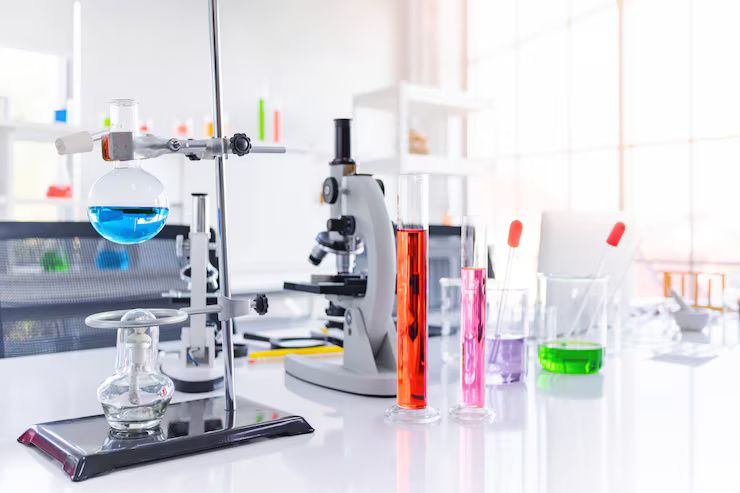
Modern laboratories use a wide range of instruments, from basic glassware and measuring devices to sophisticated analytical systems. Understanding how these tools work and where they fit into a laboratory workflow makes it easier to plan an effective working environment.
This guide explores the main categories of laboratory equipment, explains how different tools support specific applications, and outlines important factors to consider when selecting equipment for research, testing, education, and industrial laboratory environments.
What Is Lab Equipment?
Lab equipment includes the instruments, devices, tools, and supporting systems used to perform scientific experiments, measurements, analysis, preparation, and observation.
The term covers equipment used across many disciplines, including:
- Chemistry
- Biology
- Microbiology
- Physics
- Biotechnology
- Pharmaceuticals
- Environmental science
- Food science
- Materials research
- Medical diagnostics
Some tools are designed for general laboratory use, while others are highly specialized for a particular analytical technique or research application.
Because laboratory requirements vary considerably, equipment selection should begin with a clear understanding of the work being performed.
Major Categories of Laboratory Equipment
Laboratory equipment can be organized into several broad categories based on its function.
Measuring and Analytical Equipment
Analytical instruments are used to identify, measure, or characterize materials and substances.
Examples include:
- Spectrophotometers
- pH meters
- Analytical balances
- Chromatography systems
- Microscopes
- Conductivity meters
These instruments support applications where accurate measurements and reliable data are essential.
Sample Preparation Equipment
Before analysis, many samples require preparation. This may involve mixing, grinding, heating, cooling, filtering, or separating materials.
Common examples include:
- Centrifuges
- Homogenizers
- Shakers
- Mixers
- Hot plates
- Magnetic stirrers
The appropriate equipment depends on sample type, volume, and preparation method.
Heating and Cooling Equipment
Temperature control is essential in many laboratory procedures.
Common laboratory equipment systems include:
- Laboratory ovens
- Incubators
- Water baths
- Heating blocks
- Refrigerators
- Freezers
- Ultra-low-temperature storage units
These systems help maintain specific environmental conditions for experiments, sample preservation, and controlled processes.
Safety and Containment Equipment
Laboratory safety equipment protects personnel, samples, and surrounding environments.
Examples include:
- Fume hoods
- Biological safety cabinets
- Safety showers
- Eyewash stations
- Protective storage cabinets
- Laboratory ventilation systems
Safety requirements depend on the materials handled and the procedures conducted in the laboratory.
Selecting Equipment Based on Laboratory Application
The best way to select laboratory equipment is to start with the intended application rather than the equipment category.
A chemistry laboratory may require analytical balances, titration equipment, spectroscopic instruments, and chemical-resistant work surfaces. A biology laboratory may depend more heavily on microscopes, incubators, centrifuges, and controlled storage.
Similarly, an environmental testing laboratory may require specialized instruments for analyzing water, soil, and air samples.
The application determines the required capabilities, specifications, and operating conditions.
Laboratory Equipment for Research and Development
Research laboratories often need flexible equipment that can support changing experimental requirements.
Researchers may work with different sample types, experimental procedures, and measurement techniques over time. As a result, flexibility and compatibility can be particularly important.
Useful considerations include:
- Measurement range
- Precision
- Sensitivity
- Sample capacity
- Software compatibility
- Data storage
- Expandability
- Ease of calibration
Research environments may also benefit from equipment that supports multiple experimental methods without requiring major workflow changes.
Laboratory Equipment for Quality Control
Quality control laboratories typically focus on consistency, repeatability, and standardized testing.
Equipment used in these environments must often support reliable measurements across large numbers of samples.
Important characteristics may include:
- Repeatable performance
- Automated data recording
- Calibration capabilities
- Standardized procedures
- Traceable measurement results
- Easy maintenance
The equipment should fit naturally into established quality management systems and testing protocols.
Laboratory Equipment for Educational Applications
Educational laboratories have different priorities from research or industrial testing environments.
Equipment used in schools and universities should generally be easy to understand, operate, and maintain while supporting safe learning experiences.
Common educational laboratory tools include:
- Microscopes
- Basic balances
- Glassware
- Heating equipment
- Measuring instruments
- Demonstration equipment
Educational settings often benefit from equipment that allows students to observe fundamental scientific principles without unnecessary complexity.
Understanding Scientific Laboratory Equipment
Scientific laboratory equipment can range from simple hand tools to highly automated analytical platforms.
The level of sophistication should match the application's actual requirements.
For example, a laboratory performing basic measurements may not need advanced automated systems. Conversely, a facility conducting highly sensitive analytical research may require specialized instrumentation capable of detecting very small differences in samples.
The key is to match equipment capabilities with the laboratory's scientific objectives.
Important Factors When Choosing Laboratory Equipment
Several factors should be evaluated before selecting any instrument or system.
Accuracy and Precision
Accuracy refers to how close a measurement is to the true value, while precision describes the consistency of repeated measurements.
Both are important when laboratory results must be reliable and reproducible.
Capacity and Throughput
Consider how many samples the laboratory processes and how quickly they need to be analyzed.
A low-volume research laboratory may have different requirements from a high-throughput testing facility.
Ease of Use
Equipment should be appropriate for the experience level of its users. Clear interfaces and straightforward operation can reduce training requirements and minimize avoidable errors.
Maintenance Requirements
Regular maintenance supports reliable performance. Before selecting equipment, consider cleaning procedures, calibration requirements, replacement components, and technical support arrangements.
Environmental Conditions
Some instruments require controlled temperature, humidity, vibration, or electrical conditions.
Understanding these requirements helps ensure that the laboratory environment is suitable for the equipment.
Comparing Laboratory Equipment Systems
Laboratory Equipment Systems often combine several instruments and supporting technologies into a connected workflow.
| System Type | Main Function | Common Applications |
|---|---|---|
| Sample Preparation Systems | Prepare materials for testing | Research and analytical laboratories |
| Analytical Systems | Measure and characterize samples | Chemistry and materials testing |
| Environmental Control Systems | Maintain controlled conditions | Research and biological studies |
| Laboratory Information Systems | Manage laboratory data | Testing and quality control |
| Safety Systems | Protect personnel and facilities | Chemical and biological laboratories |
Integrated systems can improve workflow efficiency, but they also require careful planning to ensure compatibility between individual components.
The Role of Laboratory Equipment Manufacturers
Laboratory Equipment Manufacturers play an important role in developing instruments for specialized scientific applications.
When evaluating equipment from different manufacturers, laboratories may consider:
- Technical specifications
- Product documentation
- Calibration support
- Training resources
- Maintenance requirements
- Software compatibility
- Equipment lifecycle
A clear understanding of laboratory requirements makes it easier to compare technical capabilities without focusing solely on brand reputation.
Common Equipment Selection Mistakes
Choosing laboratory equipment without sufficient planning can create operational challenges.
Common mistakes include:
- Selecting equipment based only on appearance or complexity
- Ignoring sample characteristics
- Underestimating required capacity
- Overlooking calibration needs
- Failing to consider available laboratory space
- Neglecting maintenance requirements
- Choosing incompatible equipment systems
- Not planning for future laboratory needs
A detailed requirements assessment before selection can reduce these problems.
Trends Shaping Modern Laboratory Equipment
Laboratories are increasingly adopting technologies that improve automation, connectivity, and data management.
Emerging trends include:
- Automated sample handling
- Digital instrument interfaces
- Remote monitoring
- Cloud-connected data management
- Artificial intelligence-assisted analysis
- Miniaturized analytical devices
- Energy-efficient laboratory systems
Automation can reduce repetitive manual tasks, while connected systems can improve data organization and workflow visibility.
However, technology should be selected based on practical laboratory needs rather than novelty alone.
How to Create an Effective Laboratory Equipment Strategy
A structured approach can make equipment selection more efficient.
Start by identifying the laboratory's primary applications and testing requirements. Next, determine the required measurement ranges, sample volumes, accuracy levels, environmental conditions, and workflow capacity.
Then consider how equipment will fit into the available laboratory space and whether existing systems can support the new technology.
Finally, evaluate maintenance, calibration, training, data management, and future expansion requirements.
This approach helps create a laboratory environment where individual instruments work together as part of a coherent system.
Frequently Asked Questions
What is laboratory equipment used for?
Laboratory equipment is used for scientific measurement, sample preparation, experimentation, analysis, observation, testing, and controlled storage across many scientific disciplines.
How do I choose the right lab equipment?
Start by identifying the intended application, sample characteristics, required accuracy, capacity, environmental conditions, workflow needs, and maintenance requirements.
What is the difference between general and scientific laboratory equipment?
General laboratory equipment supports routine tasks such as measuring, mixing, heating, or storing samples, while scientific laboratory equipment is often designed for specialized research, testing, or analytical applications.
Why are laboratory equipment systems important?
Integrated laboratory equipment systems can connect instruments, data workflows, environmental controls, and safety technologies to create a more organized and efficient laboratory environment.
What should I consider when evaluating laboratory equipment manufacturers?
Consider technical specifications, documentation, calibration requirements, maintenance needs, compatibility, training resources, and the suitability of the equipment for your specific laboratory application.
Conclusion
Selecting the right lab equipment requires a clear understanding of the work a laboratory needs to perform. Different applications demand different levels of precision, capacity, automation, environmental control, and analytical capability.
From basic laboratory tools to advanced scientific laboratory equipment, every instrument should contribute to a well-planned workflow. By evaluating application requirements, sample characteristics, equipment compatibility, maintenance needs, and future laboratory goals, organizations can develop more effective and reliable working environments.
Modern laboratory equipment systems are also becoming increasingly connected, automated, and data-driven. As these technologies continue to evolve, thoughtful equipment selection will remain essential for supporting accurate measurements, efficient workflows, safe operations, and meaningful scientific outcomes.