
Labeling machines play an important role in modern manufacturing and packaging. They help place labels accurately on bottles, jars, cartons, pouches, cans, and many other products. Clear and consistent labeling improves product identification, supports regulatory compliance, and creates a professional appearance.
From food processing and pharmaceutical packaging to cosmetics and chemical production, labeling equipment has become an essential part of automated production lines. Choosing the right machine depends on packaging style, production volume, label type, and operating environment.
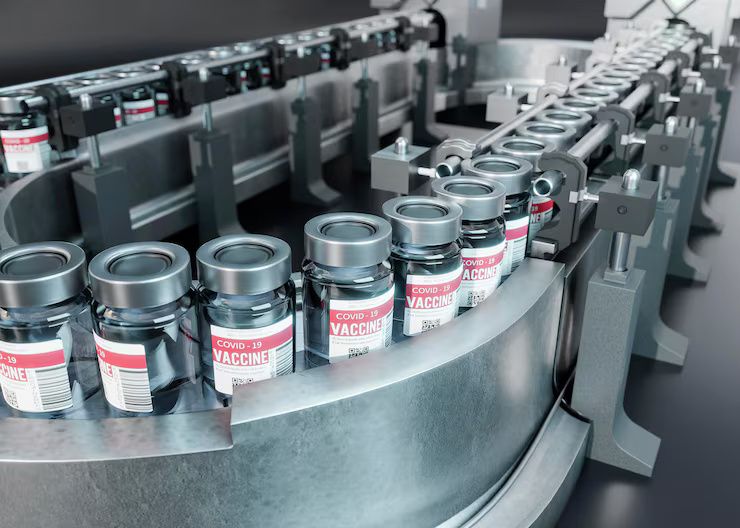
This guide explains the different types of labeling machines, their main features, how they work, and where they are commonly used.
What Is a Labeling Machine?
A labeling machine is industrial equipment designed to apply labels to products or packaging with speed and precision. Depending on the application, labels may contain product names, barcodes, batch numbers, ingredients, instructions, branding elements, or safety information.
Modern labeling equipment works with many packaging materials, including:
- Plastic bottles
- Glass bottles
- Metal containers
- Cardboard cartons
- Flexible pouches
- Cylindrical jars
- Boxes
- Trays
Many production facilities combine labeling machines with industrial automation systems, conveyor lines, filling equipment, and inspection technology for efficient packaging operations.
How Does a Labeling Machine Work?
Although machine designs vary, the basic working process remains similar.
Product Positioning
Products move along a conveyor and reach the labeling station. Sensors detect each item and ensure correct positioning before label application.
Label Dispensing
The machine separates a label from its backing material and prepares it for placement.
Label Application
The label is placed on the product using rollers, brushes, air pressure, or specialized application mechanisms depending on the machine design.
Pressing and Finishing
After placement, the machine presses the label firmly onto the surface to reduce wrinkles, bubbles, and alignment issues.
This entire sequence happens within seconds, making automated labeling suitable for high-volume manufacturing.
Main Types of Labeling Machines
Different industries use different machine designs depending on packaging requirements.
Automatic Labeling Machines
Automatic models operate with minimal manual involvement. They are commonly used in large manufacturing facilities where continuous production is essential.
Common characteristics include:
- High production speed
- Precise label placement
- Integration with conveyor systems
- Consistent performance during long production runs
Semi-Automatic Labeling Machines
Semi-automatic equipment requires an operator to position products before labeling begins.
These machines are suitable for:
- Small production batches
- Product testing
- Packaging development
- Moderate production requirements
Wrap Around Labeling Machines
These machines apply labels around cylindrical containers.
Typical examples include:
- Beverage bottles
- Cosmetic bottles
- Glass jars
- Chemical containers
Uniform placement improves both appearance and readability.
Front and Back Labeling Machines
This equipment applies separate labels to the front and back surfaces of containers during a single production cycle.
It is commonly used for:
- Personal care products
- Household cleaning products
- Nutritional supplements
- Pharmaceutical containers
Top Labeling Machines
Top labeling systems place labels on the upper surface of products.
Typical applications include:
- Bakery trays
- Food containers
- Cartons
- Flat packages
Bottom Labeling Machines
Bottom labeling equipment applies labels underneath products for identification, tracking, or inventory management.
Print and Apply Labeling Machines
These advanced machines print variable information immediately before application.
Printed information may include:
- Batch numbers
- Production dates
- Expiration dates
- QR codes
- Barcodes
- Serial numbers
This technology supports traceability across modern manufacturing operations.
Important Features to Consider
Selecting suitable labeling equipment becomes easier by understanding its main features.
Label Placement Accuracy
Accurate placement improves appearance and reduces packaging errors. Precision becomes especially important in pharmaceutical packaging and premium consumer products.
Speed
Production speed should match the overall packaging line. Faster equipment helps maintain consistent workflow without creating bottlenecks.
Easy Adjustment
Machines with simple adjustment mechanisms make it easier to switch between different container sizes and label dimensions.
Touchscreen Controls
Many modern machines include digital control panels with intuitive menus that simplify operation and configuration.
Sensor Technology
Advanced sensors improve product detection, label positioning, and overall application accuracy.
Compatibility
A versatile machine can handle multiple packaging shapes and materials without extensive modifications.
Durable Construction
Strong construction materials support reliable operation in demanding manufacturing environments.
Benefits of Using Labeling Machines
Automated labeling provides several practical advantages.
Improved Consistency
Every package receives labels in nearly identical positions, creating a uniform appearance across production batches.
Better Productivity
Automation allows continuous labeling without frequent interruptions, improving overall production efficiency.
Reduced Material Waste
Accurate label placement minimizes misplaced labels and unnecessary material consumption.
Enhanced Product Presentation
Well-positioned labels improve shelf appearance and strengthen brand recognition.
Regulatory Compliance
Industries such as food processing, pharmaceuticals, and chemicals depend on accurate labeling for product identification and mandatory information.
Easier Inventory Management
Barcode and QR code labeling supports inventory tracking, warehouse management, and logistics operations.
Industrial Applications
Labeling machines support many manufacturing sectors.
Food and Beverage Industry
Food manufacturers use labeling equipment for:
- Water bottles
- Juice containers
- Dairy products
- Sauces
- Snacks
- Frozen foods
Labels commonly display nutritional information, ingredients, production dates, and storage instructions.
Pharmaceutical Industry
Pharmaceutical packaging requires highly accurate labeling for patient safety and regulatory compliance.
Common products include:
- Medicine bottles
- Syrup containers
- Medical devices
- Tablet containers
- Diagnostic products
Cosmetics Industry
Cosmetic packaging often emphasizes attractive presentation along with product information.
Examples include:
- Shampoo bottles
- Lotion containers
- Perfume bottles
- Skin care products
- Hair care packaging
Chemical Industry
Chemical manufacturers rely on durable labels containing handling instructions, hazard information, and identification details.
Consumer Goods
Many everyday household products require clear labels for branding and product identification.
Examples include:
- Cleaning products
- Storage containers
- Stationery items
- Home accessories
Practical Example
Imagine a beverage production facility filling thousands of water bottles every hour.
After filling and capping, each bottle moves along a conveyor. A wrap around labeling machine detects every bottle, applies the label at the correct position, smooths it into place, and prepares the next bottle within moments.
Because every bottle receives nearly identical label placement, the finished products appear neat, professional, and easy to identify throughout transportation and retail display.
Tips for Choosing the Right Labeling Machine
Before selecting labeling equipment, evaluate several practical factors.
Consider:
- Product shape
- Container material
- Label size
- Production volume
- Available floor space
- Integration with existing packaging equipment
- Future production expansion
- Automation requirements
Careful planning helps improve long-term productivity and packaging quality.
Routine Maintenance Practices
Regular maintenance supports dependable machine performance.
Helpful practices include:
- Keep rollers clean.
- Inspect sensors regularly.
- Check moving parts for wear.
- Replace worn components when needed.
- Verify label alignment before production begins.
- Keep the operating area clean and organized.
- Follow the manufacturer's maintenance schedule.
Routine attention reduces unexpected downtime and helps maintain consistent labeling accuracy.
Future Trends in Labeling Technology
Labeling technology continues to evolve alongside industrial automation.
Emerging developments include:
- Artificial intelligence for quality inspection
- Machine vision systems
- Smart sensors
- Digital production monitoring
- Cloud-based production analytics
- Greater integration with smart factories
- Sustainable labeling materials
These innovations help manufacturers improve efficiency, product traceability, and packaging quality while supporting modern production requirements.
Conclusion
Labeling machines have become an essential part of today's manufacturing and packaging processes. They improve consistency, accuracy, productivity, and product presentation across many industries, including food processing, pharmaceuticals, cosmetics, chemicals, and consumer goods.
Understanding machine types, important features, and industrial applications makes it easier to identify equipment that matches specific production requirements. As industrial automation continues to advance, modern labeling technology will remain a key part of efficient, reliable, and high-quality packaging operations.