
Leather jackets are versatile outerwear garments known for their durability, distinctive texture and timeless appearance. Available in classic silhouettes and modern designs, they are worn across casual, streetwear, motorcycle, vintage and contemporary fashion styles.
Leather jackets are manufactured using different animal hides and leather treatments, while synthetic alternatives provide additional choices. Their appearance, comfort, weight and durability depend on the material, construction, lining and finishing.
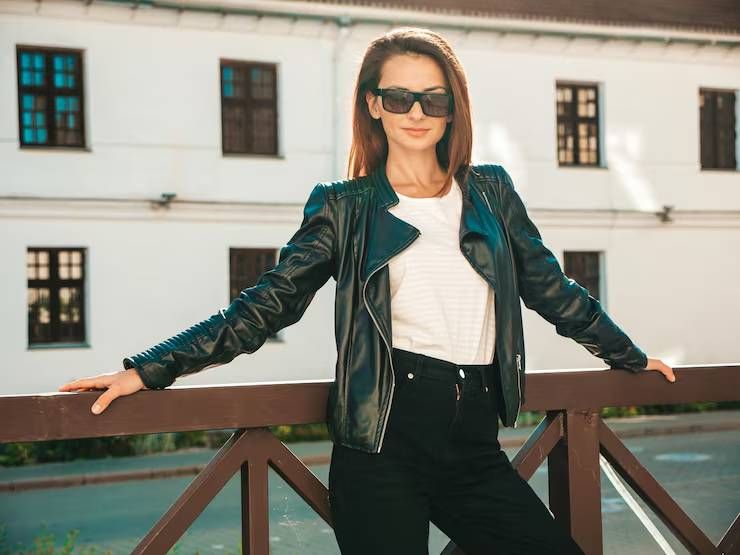
This guide explores popular leather jacket styles, leather types, colours, manufacturing processes, fashion trends and practical styling considerations.
What Are Leather Jackets?
A leather jacket is an outer garment made from natural leather or leather-like materials. Traditional versions use animal hides such as cowhide, sheepskin, goatskin and lambskin. Modern alternatives include polyurethane (PU) and other synthetic materials.
Leather jackets are available in different fits, lengths, collar designs and closure systems. Common details include metal zippers, snap buttons, belts, shoulder panels, pockets and decorative stitching.
They are used for several purposes:
Everyday casual clothing
Motorcycle and riding apparel
Fashion and streetwear outfits
Vintage and retro styling
Cold-weather layering
Uniforms and selected professional applications
Classic Leather Jacket Styles
Different leather jacket styles have developed around practical clothing requirements, cultural influences and changing fashion preferences.
1. Biker Leather Jackets
Also known as motorcycle or double-rider jackets.
Biker jackets are recognised by their asymmetrical front zipper, wide lapels, metal hardware and fitted shape. Traditional designs were associated with motorcycle riding and later became popular in everyday fashion.
Common features include:
Asymmetrical front closure
Zippered pockets
Wide lapels
Shoulder detailing
Waist belts on selected designs
Motorcycle-specific jackets may also include protective armour, reinforced construction and abrasion-resistant materials. A fashion biker jacket should not automatically be considered protective riding equipment.
2. Bomber Leather Jackets
Bomber jackets have a shorter body, a front zipper and ribbed cuffs and waistband. Traditional designs were influenced by aviation clothing.
Modern leather bomber jackets may feature:
Ribbed collars and cuffs
Front zip closures
Side pockets
Relaxed or regular fits
Minimal decorative detailing
They are commonly styled with jeans, casual trousers, T-shirts and boots.
3. Racer Leather Jackets
Racer jackets, sometimes called café racer jackets, generally feature a clean silhouette, a front zipper and a small stand-up collar.
Their simple construction makes them suitable for minimalist outfits. Some designs include quilted panels, shoulder detailing or subtle contrast stitching.
4. Flight and Aviator Jackets
Flight jackets are inspired by historical aviation garments. Many traditional designs feature a shearling collar, warm lining and a structured body.
Modern versions may use leather, suede or synthetic materials. They are often selected for winter outfits and layered styling.
5. Leather Blazers
Leather blazers combine the structure of a traditional blazer with the texture of leather.
Common design features include:
Notched lapels
Button-front closures
Structured shoulders
Single-breasted or double-breasted construction
Regular or tailored fits
They can be paired with formal-inspired trousers, skirts, denim and simple tops.
6. Oversized Leather Jackets
Oversized leather jackets feature relaxed shoulders, wider sleeves and a loose body. They are frequently associated with contemporary streetwear and vintage-inspired styling.
These designs work well with fitted tops, straight-leg jeans, wide-leg trousers and layered outfits.
7. Leather Trucker Jackets
Leather trucker jackets adapt the shape of classic denim trucker jackets using leather materials. They generally feature a button-front closure, pointed collar, chest pockets and a waist-length cut.
They provide a casual alternative to more structured leather jacket styles.
Types of Leather Used in Jackets
The type of leather influences a jacket's texture, weight, flexibility, appearance and maintenance requirements.
1. Cowhide Leather
Cowhide is widely used for jackets requiring a relatively strong and durable outer material. It is generally thicker and heavier than lambskin or goatskin.
Common characteristics include:
Firm structure
Good abrasion resistance
Distinctive natural grain
Relatively substantial weight
Suitability for structured jackets
Cowhide is frequently used in motorcycle apparel, biker jackets and rugged casual designs.
2. Lambskin Leather
Lambskin is valued for its soft texture, flexibility and lightweight feel. It is commonly used in fashion jackets, fitted designs and premium-style outerwear.
Its softer structure can make it more susceptible to scratches and damage than thicker leather types.
3. Goatskin Leather
Goatskin generally has a distinctive grain texture and offers a balance of flexibility and durability. It is used in jackets, gloves and other leather garments.
Its natural texture can give jackets a slightly pebbled appearance.
4. Sheepskin Leather
Sheepskin is often associated with soft leather garments and insulated outerwear. Shearling jackets use sheepskin or a similar construction with wool or fleece retained or attached as an insulating lining.
These garments are particularly associated with cold-weather clothing.
5. Suede Leather
Suede is produced from the inner side of animal hide or through processes that create a napped surface.
Its soft, velvety texture gives jackets a distinctive appearance. Suede generally requires more careful maintenance because it can absorb moisture and develop stains more easily than many smooth-finished leathers.
6. Nubuck Leather
Nubuck is made by lightly sanding the grain side of leather to create a fine, velvety surface.
It has a soft texture and a more refined appearance than many rugged leather finishes. Like suede, it requires appropriate cleaning and protection.
7. Synthetic Leather
Synthetic leather is manufactured using materials such as polyurethane (PU) or polyvinyl chloride (PVC) over a textile backing.
Its appearance can resemble natural leather, and it is available in many colours, textures and finishes.
Important considerations include:
Material composition
Surface flexibility
Resistance to peeling and cracking
Breathability
Cleaning requirements
Expected product lifespan
Synthetic leather is not the same material as genuine animal leather, and its performance varies considerably by construction and quality.
Popular Leather Jacket Colours
Leather jackets are available in classic neutral shades as well as contemporary colours. The choice of colour influences how easily a jacket can be combined with other clothing.
1. Black Leather Jackets
Black is one of the most recognised leather jacket colours. It works with casual, streetwear, monochrome and smart-casual outfits.
Popular combinations include black jackets with blue denim, white T-shirts, grey trousers and black boots.
2. Brown Leather Jackets
Brown leather jackets are available in chocolate, tan, cognac, caramel and dark coffee shades.
They are often associated with vintage, heritage and casual fashion. Brown jackets pair well with cream, beige, navy, olive and denim.
3. Tan and Cognac Leather Jackets
Tan and cognac shades provide a lighter alternative to dark brown. They are commonly used in bomber, racer and minimalist jacket designs.
These colours complement neutral clothing, white shirts and blue jeans.
4. Burgundy Leather Jackets
Burgundy and wine-coloured jackets provide a richer alternative to traditional black and brown. They can be styled with black, charcoal, cream and dark denim.
5. Grey and Charcoal Leather Jackets
Grey leather jackets offer a neutral appearance suitable for minimalist and contemporary outfits. Charcoal shades can create a darker look without using traditional black.
6. Coloured and Fashion Leather Jackets
Other colours include olive green, navy blue, red, cream, white and pastel shades. These are generally selected for distinctive fashion styling rather than traditional outerwear looks.
Leather Jacket Manufacturing Process
Leather jacket manufacturing involves material preparation, pattern development, cutting, stitching, assembly and finishing.
1. Leather Selection and Inspection
Manufacturers select leather according to the intended jacket design, thickness, texture, flexibility and quality requirements.
The material is inspected for visible defects, uneven colouring, scars and other imperfections.
2. Leather Treatment and Finishing
Natural leather may undergo tanning, dyeing, conditioning and surface finishing before garment production.
Common leather finishing methods include:
Aniline finishing
Semi-aniline finishing
Pigmented finishing
Waxed finishing
Distressed finishing
Embossed finishing
These treatments influence the appearance, texture and maintenance requirements of the final jacket.
3. Pattern Making
Designers and production teams develop patterns based on measurements, fit requirements and garment specifications.
Pattern development determines the shape of the sleeves, collar, shoulders, front panels, back panels and pockets.
4. Leather Cutting
Leather panels are cut according to the approved patterns. Manufacturers may use manual cutting equipment, die-cutting systems or computer-controlled cutting technologies.
Efficient cutting helps reduce material waste and maintain consistency between garment panels.
5. Stitching and Assembly
The cut panels are stitched together using industrial sewing machines suitable for leather garments.
Assembly may include attaching sleeves, collars, cuffs, linings, pockets and waistbands.
6. Zippers, Buttons and Accessories
Hardware components are installed according to the design. These may include metal zippers, snap buttons, buckles, belts, rivets and decorative elements.
Hardware quality influences the garment's appearance, usability and durability.
7. Lining and Finishing
The lining is attached to improve comfort and garment structure. Depending on the design, manufacturers may use polyester, cotton, satin, quilted fabric or insulating materials.
Final finishing includes trimming loose threads, checking seams, cleaning surfaces and inspecting the completed jacket.
8. Quality Control
Quality inspection may cover:
Stitching consistency
Zipper functionality
Panel alignment
Colour consistency
Garment measurements
Lining attachment
Surface defects
Hardware strength
Leather Jacket Fashion Trends in 2026
Leather jackets continue to appear in contemporary fashion collections, with traditional styles being adapted through new proportions, textures and colours.
1. Oversized Leather Bombers
Relaxed bomber jackets with dropped shoulders and wider sleeves are prominent in current styling. They create a casual silhouette and work with wide-leg trousers, denim and layered clothing.
2. Minimalist Leather Jackets
Clean lines, simple collars, discreet fastenings and limited decorative details are popular directions. These designs can be worn with casual clothing or more structured outfits.
3. Vintage and Distressed Finishes
Worn-looking surfaces, aged textures, washed finishes and vintage-inspired bomber shapes give jackets a heritage appearance.
4. Burgundy and Chocolate Brown
Black remains a classic choice, while burgundy, chocolate brown, tobacco and other warm shades provide additional colour options.
5. Cropped Leather Jackets
Cropped silhouettes create a shorter proportion and are often styled with high-waisted trousers, skirts and dresses.
6. Leather Trench-Inspired Designs
Longer leather outerwear with trench-coat details, structured shoulders and double-breasted closures combines traditional tailoring with leather construction.
How to Style Leather Jackets
Leather jackets can be incorporated into different outfits depending on their design, colour and fit.
Casual Everyday Styling
Combine a black or brown leather jacket with a plain T-shirt, straight-leg jeans and sneakers. This creates a relaxed outfit suitable for everyday activities.
Smart-Casual Styling
Wear a minimalist leather jacket over a shirt or fine-knit top with tailored trousers and simple footwear. A clean silhouette helps maintain a balanced appearance.
Streetwear Styling
An oversized bomber jacket can be paired with loose-fit jeans, relaxed trousers, hoodies and sneakers. Layering adds depth to the outfit.
Winter Styling
Choose a lined leather jacket or shearling design and layer it over sweaters, thermal clothing or knitwear. The lining and overall construction determine how much insulation the garment provides.
Women's Leather Jacket Styling
Leather jackets can be combined with dresses, skirts, fitted tops, wide-leg trousers and denim. A cropped jacket can complement high-waisted clothing, while an oversized design creates a relaxed contrast.
Men's Leather Jacket Styling
Biker, racer and bomber jackets can be styled with jeans, chinos, casual shirts, T-shirts and boots. The jacket's fit and length should complement the proportions of the outfit.
Factors to Consider When Choosing a Leather Jacket
Selecting a leather jacket involves evaluating material quality, construction, fit, comfort and intended use.
Selection factor | What to consider |
|---|---|
Leather type | Cowhide, lambskin, goatskin, sheepskin, suede or synthetic leather |
Jacket style | Biker, bomber, racer, aviator, blazer or oversized |
Fit | Slim, regular, relaxed or oversized |
Leather thickness | Appropriate weight and flexibility for intended use |
Stitching | Consistent seams and reinforced stress points |
Zippers and hardware | Smooth operation and durable construction |
Lining | Breathability, comfort and insulation |
Colour | Black, brown, tan, burgundy or other shades |
Climate | Lightweight construction or insulated lining |
Maintenance | Cleaning, conditioning and storage requirements |
Understanding Leather Quality
Natural leather quality depends on the hide, tanning process, finishing and construction. Terms such as full-grain, top-grain and genuine leather describe different material categories and should not be treated as interchangeable quality guarantees.
Full-grain leather: Retains the natural grain surface and may develop a patina with use.
Top-grain leather: Has a processed grain surface and is often used in fashion garments.
Corrected-grain leather: Has a surface that has been modified to reduce visible imperfections.
Split leather: Made from lower layers of a hide and may be finished or coated for different applications.
Buyers should check the material description and construction details rather than judging quality by appearance alone.
Leather Jacket Care and Maintenance
Proper care can help maintain the appearance and usability of leather garments.
Cleaning
Use a soft, dry or slightly damp cloth for light surface cleaning where appropriate. Follow the garment manufacturer's cleaning instructions, especially for suede and nubuck.
Conditioning
Smooth natural leather may require a suitable leather conditioner to help maintain flexibility. Test products on an inconspicuous area first.
Moisture Protection
Avoid prolonged exposure to rain and excessive moisture. If a jacket becomes wet, allow it to dry naturally away from direct heat.
Storage
Store leather jackets on broad, supportive hangers in a ventilated space. Avoid tightly folding or compressing them for extended periods.
Professional Cleaning
For significant stains, colour transfer, mould or damage, seek a specialist leather garment cleaner rather than using ordinary household cleaning chemicals.
Frequently Asked Questions About Leather Jackets
1. What are the most popular leather jacket styles?
Popular styles include biker jackets, bomber jackets, racer jackets, aviator jackets, leather blazers, oversized jackets and trucker jackets. Each style has different design features and styling uses.
2. Which leather is commonly used for leather jackets?
Cowhide, lambskin, goatskin and sheepskin are commonly used. Cowhide is generally thicker and more structured, while lambskin is softer and lighter. Suede and nubuck are also used for jackets with distinctive surface textures.
3. What is the difference between genuine leather and synthetic leather jackets?
Genuine leather is made from processed animal hide, while synthetic leather is manufactured using materials such as PU or PVC over a backing fabric. They differ in texture, breathability, maintenance and ageing characteristics.
4. Which colour leather jacket is easiest to style?
Black, dark brown and chocolate brown are versatile colours that work with many casual and smart-casual outfits. Tan and cognac are also useful neutral options.
5. How should a leather jacket fit?
A leather jacket should fit comfortably around the shoulders and chest without restricting movement. Sleeve length, body length and layering space should also be considered. The ideal fit depends on whether the design is intended to be slim, regular or oversized.
Conclusion
Leather jackets remain an established part of casual and contemporary fashion. Their variety of styles, materials, colours and construction methods allows them to suit different clothing preferences and seasonal requirements.
Understanding the differences between cowhide, lambskin, goatskin, suede, nubuck and synthetic leather helps consumers evaluate material characteristics. Similarly, considering jacket fit, stitching, lining, hardware and maintenance requirements supports more informed clothing decisions.
From traditional biker and bomber designs to minimalist, oversized and trench-inspired silhouettes, leather jackets continue to combine practical outerwear features with changing fashion preferences.