Luxury home decor is not simply about selecting expensive-looking furniture or filling rooms with decorative objects.
A well-designed luxury interior combines proportion, materials, lighting, texture, comfort, and personal character to create a space that feels refined without becoming excessive. The strongest interiors are carefully balanced, allowing each element to contribute to the overall atmosphere.
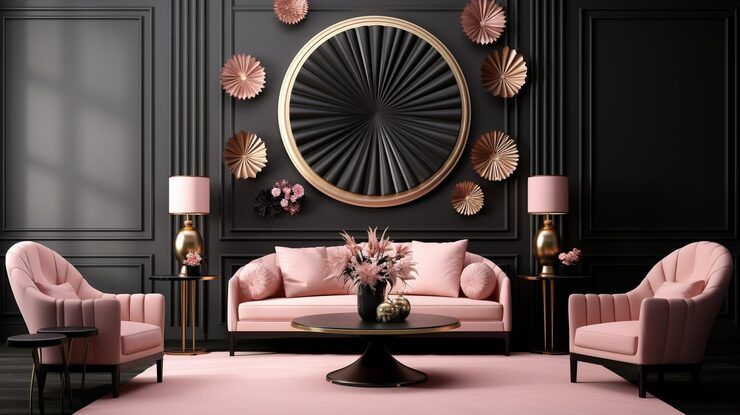
Modern luxury home decor also places greater emphasis on functionality. Living spaces need to support everyday routines while maintaining a sophisticated visual identity. This has encouraged designers and homeowners to explore natural materials, layered lighting, customized storage, statement furniture, and timeless color palettes.
This guide explores the principles behind luxury interiors, popular design styles, essential elements, room-by-room ideas, and practical ways to create an elegant and comfortable home environment.
What Defines Luxury Home Decor?
Luxury home decor is characterized by attention to detail, thoughtful proportions, high-quality materials, and visual harmony. Instead of relying on one dramatic feature, sophisticated interiors often combine several subtle design elements.
Important characteristics include:
- Balanced furniture arrangements
- Carefully selected materials
- Layered lighting
- Rich textures
- Consistent color palettes
- Artful decorative accents
- Comfortable furnishings
- Well-planned architectural details
- Personalized design choices
Luxury does not necessarily mean ornate. Contemporary luxury may be minimalist, warm, traditional, modern, or eclectic depending on the character of the home and its occupants.
The central principle is intentionality. Every major piece should have a clear relationship with the surrounding space.
Popular Luxury Interior Design Styles
Different interior styles can create a luxurious atmosphere when their defining elements are applied thoughtfully.
Contemporary Luxury
Contemporary interiors often use clean architectural lines, neutral colors, large furniture pieces, and carefully controlled decoration. Materials such as natural stone, glass, metal, and refined wood can add depth without creating visual clutter.
Modern Classic
Modern classic design combines traditional details with contemporary proportions. Moldings, elegant furniture silhouettes, neutral colors, and modern lighting can work together to create an interior that feels established yet current.
Minimalist Luxury
Minimalist luxury focuses on simplicity, spaciousness, and quality. Rather than filling a room with accessories, the design emphasizes carefully selected furniture, subtle textures, architectural details, and open visual space.
Warm Luxury
Warm luxury uses natural materials, earthy colors, soft textiles, timber, stone, and ambient lighting to create an inviting atmosphere. This approach is particularly suitable for homes where comfort is as important as visual sophistication.
Art Deco Inspired Interiors
Art Deco-inspired spaces often incorporate geometric forms, reflective surfaces, sculptural furniture, rich fabrics, and carefully controlled metallic accents. Modern interpretations can retain the character of the style without becoming overly decorative.
Essential Elements of Luxury Home Decor
Several design elements have an especially strong influence on how a room feels.
Color and Visual Balance
A sophisticated color palette often begins with neutral foundations such as cream, beige, warm gray, taupe, or soft white. Deeper tones can then be introduced through furniture, artwork, rugs, or architectural details.
Color does not need to be completely neutral. Deep green, navy, burgundy, charcoal, or muted terracotta can provide character when used selectively.
The key is maintaining visual balance. Too many competing colors can make a room feel fragmented, while a carefully layered palette creates continuity.
Materials and Textures
Material selection plays a major role in luxury interior design. Stone, timber, linen, wool, leather, glass, ceramic, and metal each introduce different visual and tactile qualities.
Texture becomes particularly important in neutral interiors. A combination of smooth stone, textured fabric, natural wood, and woven accessories can prevent a restrained color scheme from feeling flat.
Furniture
Furniture should be selected according to the room's scale and purpose rather than simply chosen as individual statement pieces.
A large living room may require substantial seating and a visually strong central table, while a smaller room may benefit from lighter silhouettes that preserve circulation space.
Comfort should also remain central. Luxury interiors are intended to be lived in, so attractive furniture should also support relaxation and everyday use.
Lighting
Lighting can dramatically change the appearance of materials, colors, and architectural features.
A layered lighting plan may include:
- Ambient lighting for general illumination
- Task lighting for specific activities
- Accent lighting for artwork or architectural features
- Decorative lighting for visual character
Warm illumination can create a relaxed atmosphere, while carefully positioned fixtures can highlight textures, artwork, ceilings, and architectural details.
Luxury Living Room Ideas
The living room often acts as the visual center of a home, making proportion and furniture placement especially important.
A sophisticated living room may include a comfortable sectional or coordinated seating arrangement, a substantial rug, an architectural coffee table, decorative lighting, and carefully selected artwork.
Instead of placing furniture against every wall, consider creating defined conversation areas. This can make a large room feel more connected and functional.
Curtains extending close to the ceiling can also emphasize vertical height, while large mirrors may increase the perception of openness when positioned appropriately.
Elegant Bedroom Design
A luxury bedroom should prioritize calmness and comfort rather than visual complexity.
Soft bedding, upholstered furniture, layered window treatments, and subtle lighting can establish a restful environment. Natural materials such as timber and linen can add warmth, while a restrained palette helps reduce visual distraction.
Built-in wardrobes and concealed storage can also maintain a clean appearance by reducing unnecessary objects within the sleeping area.
Luxury Kitchen and Dining Spaces
Modern luxury kitchens combine visual refinement with practical workflow.
Key considerations include:
- Functional work zones
- Integrated storage
- Durable surfaces
- Well-planned lighting
- Consistent cabinetry
- High-quality hardware
- Comfortable seating areas
Natural stone or stone-inspired surfaces can create a strong visual foundation, while timber elements may soften contemporary cabinetry.
Dining areas can be connected visually to the kitchen through coordinated materials, lighting, and furniture finishes.
Bathroom Design Elements
Luxury bathroom decor often focuses on creating a calm, spa-inspired environment.
Large-format surfaces, natural stone textures, frameless glass, sculptural fixtures, integrated storage, and layered lighting can contribute to a refined appearance.
However, practicality remains important. Good ventilation, appropriate moisture resistance, easy maintenance, and safe flooring should be considered alongside aesthetics.
The Importance of Artwork and Accessories
Artwork can provide personality and visual focus within a luxury interior. A single large artwork may create greater impact than numerous small pieces competing for attention.
Decorative accessories should similarly be selected with intention. Sculptures, ceramics, books, vases, and textiles can add character without overwhelming the room.
The objective is not to display as many objects as possible. Negative space gives important pieces room to breathe and can make the overall design feel more sophisticated.
Creating Luxury Through Architectural Details
Architectural features often provide a stronger foundation for luxury decor than decorative objects alone.
Depending on the property, these may include:
- Wall paneling
- Decorative molding
- Built-in shelving
- Statement ceilings
- Large windows
- Arched openings
- Custom cabinetry
- Feature walls
- Integrated lighting
These elements can give rooms greater depth and visual identity while supporting a cohesive design language throughout the home.
Common Mistakes in Luxury Home Decor
A sophisticated interior can lose its sense of balance when too many design elements compete for attention.
Common mistakes include:
- Excessive decorative accessories
- Furniture that is too large for the room
- Inconsistent design styles
- Poorly planned lighting
- Too many contrasting materials
- Ignoring storage requirements
- Choosing appearance over comfort
- Following trends without considering the home's architecture
A restrained approach often creates a more lasting result than constantly adding new decorative features.
How to Create a Cohesive Luxury Interior
The different rooms of a home do not need to look identical, but they should feel connected.
A cohesive interior can be achieved by repeating selected materials, colors, finishes, or design forms throughout the property. For example, the same wood tone may appear in cabinetry and furniture, while similar metal finishes can connect lighting fixtures and hardware.
This repetition creates continuity while allowing each room to maintain its own purpose and personality.
Trends Shaping Modern Luxury Home Decor
Luxury interiors are increasingly influenced by comfort, sustainability, technology, and personalization.
Current design directions include:
- Natural and tactile materials
- Soft neutral palettes
- Biophilic design
- Flexible living spaces
- Integrated smart-home features
- Custom storage
- Statement lighting
- Indoor-outdoor connections
- Handcrafted decorative details
- Wellness-focused interiors
The broader movement is toward homes that feel personal rather than overly formal. Modern luxury increasingly reflects how people actually live.
Frequently Asked Questions
What makes a home look luxurious?
A luxurious interior usually combines balanced proportions, quality materials, layered lighting, cohesive colors, comfortable furniture, thoughtful accessories, and strong attention to detail.
Does luxury home decor have to be traditional?
No. Luxury can be expressed through contemporary, minimalist, classic, Art Deco-inspired, or eclectic interiors. The overall result depends on how consistently the design elements work together.
Which materials are commonly used in luxury interiors?
Natural stone, timber, linen, wool, leather, glass, ceramic, and metal are frequently used because they provide visual depth, texture, and lasting character.
How can a small home incorporate luxury decor?
Smaller homes can use proportionally scaled furniture, layered lighting, built-in storage, mirrors, coordinated colors, and carefully selected statement pieces to create an elegant atmosphere without overcrowding the space.
How can luxury decor remain comfortable?
Comfort comes from selecting supportive furniture, soft textiles, practical layouts, appropriate lighting, functional storage, and materials that suit everyday use. Luxury design works best when appearance and livability are considered together.
Conclusion
Luxury home decor is ultimately about creating a thoughtful relationship between beauty, comfort, functionality, and personal expression. A sophisticated home does not need excessive decoration or a particular design style. Instead, it benefits from careful planning, balanced proportions, quality materials, appropriate lighting, and details that reflect the people who live there.
From contemporary living rooms and serene bedrooms to refined kitchens and spa-inspired bathrooms, each space can contribute to a cohesive interior when design decisions are made with purpose. By focusing on timeless principles rather than temporary trends, homeowners can create an elegant living environment that remains comfortable, functional, and visually engaging for years to come.