A massage chair is designed to recreate selected massage techniques through mechanical rollers, airbags, vibration systems, heat functions, and programmable movements.
As technology has developed, modern massage chairs have become more sophisticated, offering different ways to support relaxation and comfort at home.
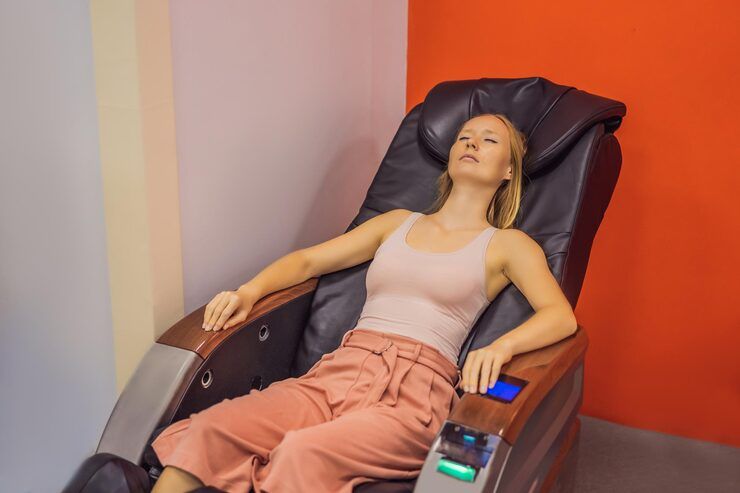
However, choosing between different models can be confusing. A chair may emphasize deep tissue-style movements, another may focus on gentle relaxation, while others combine multiple techniques with advanced body scanning and customized programs. Features that seem impressive on paper may not be equally useful for every person.
The right approach is to understand how massage technology works, compare the available techniques, and consider personal preferences, body dimensions, available space, and comfort requirements. This guide explains the main types of massage chair technology and the factors that can help users make a more informed decision.
What Is a Massage Chair?
A massage chair is an electrically powered seating system designed to simulate various massage movements while the user remains seated or reclined. Depending on the design, it may use mechanical rollers that move along the back, airbags that apply compression, vibration mechanisms, foot rollers, and adjustable reclining systems.
Modern electric massage chair designs may also include computerized controls that allow users to select massage programs, adjust intensity, target specific body areas, and modify the position of rollers.
The experience can vary significantly between models. Some focus on basic back and shoulder massage, while full body massage chairs may extend their functions to the neck, arms, hips, thighs, calves, and feet.
How Massage Chair Technology Works
The core of most massage chairs is a mechanical roller system. These rollers move across specific areas of the body to simulate techniques such as kneading, tapping, rolling, or compression.
Other components may include:
- Air compression chambers
- Foot and calf rollers
- Vibration mechanisms
- Heating elements
- Reclining systems
- Body scanning technology
- Programmable massage settings
- Remote or touchscreen controls
The chair's internal control system coordinates these components to create different massage sequences. Advanced models may detect the user's approximate body dimensions and adjust roller positioning accordingly.
This combination of mechanical movement and digital controls allows users to personalize their experience more than traditional fixed massage equipment.
Understanding Common Massage Techniques
Different massage techniques create different sensations. Understanding these differences is important when comparing a massage chair.
Kneading
Kneading uses repeated circular movements designed to simulate the hand movements used in traditional massage. It is commonly applied to the back, shoulders, and other larger muscle areas.
This technique is often preferred by users who enjoy a rhythmic and continuous massage sensation.
Tapping
Tapping uses rapid, repeated movements that resemble light percussion. It can create a more energetic sensation and is often used around the back and shoulder regions.
Rolling
Rolling movements are generally smoother and more continuous. They may be suitable for users who prefer a gentler massage experience without intense pressure.
Shiatsu-Inspired Massage
Some massage chairs include programs inspired by Japanese shiatsu techniques. These settings typically combine pressure, rhythmic movement, and targeted contact points.
The exact experience varies by chair design and should not be assumed to replicate professional hands-on therapy.
Compression Massage
Airbags inflate and deflate around areas such as the arms, shoulders, hips, calves, and feet. This creates a gentle compression sensation that complements mechanical roller movements.
Comparing Massage Chair Roller Systems
The roller system is one of the most important technical differences between massage chairs.
| Roller System | General Characteristics | Suitable Preference |
|---|---|---|
| 2D Rollers | Move primarily along two directions | Simple, focused massage |
| 3D Rollers | Move forward and backward as well as vertically | Adjustable pressure and depth |
| 4D Rollers | Adds greater control over movement speed and rhythm | More dynamic massage experience |
| Advanced Track Systems | Extended roller travel across the back | Wider coverage |
The number used to describe a roller system does not automatically determine whether one chair will feel better than another. Individual comfort preferences and roller positioning may be more important than technical specifications alone.
Full Body Massage Chairs and Coverage
Full body massage chairs are designed to address more areas than traditional back-focused models.
Depending on the design, coverage may include:
- Neck
- Shoulders
- Upper and lower back
- Waist
- Hips
- Arms
- Hands
- Thighs
- Calves
- Feet
Extended coverage can provide a more comprehensive experience, but users should consider whether they actually prefer massage across the entire body.
Some individuals may mainly want back and shoulder massage, while others may appreciate additional foot, calf, and arm functions.
Comfort Features to Consider
Massage technology is only one part of the overall experience. Comfort features can significantly influence how enjoyable a chair is during regular use.
Reclining Function
Zero-gravity-style reclining positions are designed to distribute body weight across the chair and may create a more relaxed seating position.
Adjustable Intensity
Intensity controls allow users to select lighter or stronger massage movements based on personal preference.
Heat Function
Some massage chairs incorporate heating elements into areas such as the lower back or legs. Heat can add warmth and comfort during a massage session.
Head and Neck Support
Proper cushioning and support can influence comfort, especially during longer sessions.
Foot and Calf Design
Foot rollers and air compression systems may provide additional functionality for users who spend significant time standing or walking.
Electric Massage Chair Controls and Personalization
Modern electric massage chair systems often include automated programs designed for different preferences.
Common settings may include:
- Relaxation
- Full body
- Back massage
- Shoulder massage
- Stretching
- Recovery-focused programs
- Gentle massage
- Deep massage-style settings
Some models allow users to manually adjust the location, speed, intensity, and duration of specific massage movements.
Personalization can be particularly useful when multiple people share the same chair because each user may have different comfort preferences.
Choosing Between a Standard and Luxury Massage Chair
A luxury massage chair generally includes a wider combination of advanced features, materials, automation, and personalization options.
These may include:
- Advanced roller systems
- Multiple massage programs
- Enhanced body scanning
- More extensive air compression
- Premium upholstery
- Expanded reclining functions
- Integrated control interfaces
- Additional customization
However, more features do not necessarily mean a better experience for every user. Someone who prefers simple back massage may find a basic system more suitable, while another person may value extensive customization.
The key difference is often how well the chair's features match the user's actual preferences.
Factors to Consider Before Choosing a Massage Chair
Several practical factors should be considered before selecting a model.
Body Size and Fit
Massage chairs are designed around specific ranges of user height and body proportions. A chair that does not fit properly may position rollers or airbags incorrectly.
Available Space
Reclining chairs often require additional space behind or in front of the chair. Measuring the intended area is important before installation.
Massage Preferences
Think about whether you prefer gentle rolling, stronger kneading, compression, heat, or a combination of techniques.
Frequency of Use
Someone using a chair occasionally may prioritize simplicity, while frequent users may benefit from greater adjustability and personalization.
Ease of Operation
Controls should be intuitive enough for users to adjust settings without unnecessary complexity.
Common Mistakes When Comparing Massage Chairs
One common mistake is focusing entirely on the number of features. A long list of functions does not guarantee that the chair will provide a comfortable experience.
Another mistake is ignoring the chair's physical dimensions. A large chair may not fit comfortably in the intended room.
Users should also avoid assuming that a stronger massage is always better. Comfort varies considerably between individuals, and excessive intensity may be unpleasant for some people.
Finally, it is important to distinguish between wellness and medical treatment. A massage chair may support relaxation and comfort, but it should not be considered a replacement for professional medical care or physical therapy.
Frequently Asked Questions
What is the main purpose of a massage chair?
A massage chair is designed to provide automated massage movements that can support relaxation and comfort through rollers, air compression, vibration, and other features.
What is the difference between a massage chair and a full body massage chair?
A standard massage chair may focus primarily on the back and shoulders, while full body massage chairs typically extend coverage to areas such as the arms, hips, calves, and feet.
Are electric massage chairs customizable?
Many electric massage chair models provide adjustable intensity, massage programs, reclining positions, and targeted settings. The exact level of customization varies by design.
What makes a luxury massage chair different?
A luxury massage chair generally combines more advanced roller technology, greater personalization, expanded coverage, premium materials, and additional comfort functions.
How should I choose a massage chair?
Consider your preferred massage techniques, body dimensions, available space, desired coverage, comfort preferences, control options, and how frequently you expect to use the chair.
Conclusion
Choosing a massage chair is ultimately about matching technology with personal comfort preferences. Modern electric massage chair systems offer a wide range of techniques, from kneading and tapping to rolling and air compression, while full body massage chairs extend these functions across more areas of the body.
Advanced models, including luxury massage chair designs, may provide greater customization and sophisticated features, but the most suitable option depends on individual needs rather than the number of functions available. By comparing roller systems, massage techniques, comfort features, body fit, and practical requirements, users can better understand which type of massage chair aligns with their everyday preferences and expectations.