
Material handling is an essential part of modern manufacturing, warehousing, construction, logistics, and distribution.
Every facility that receives, moves, stores, or ships materials depends on organized systems to keep products and components flowing safely and efficiently. From forklifts and conveyors to cranes, hoists, and automated storage technologies, material handling equipment supports activities that might otherwise require significant manual effort.
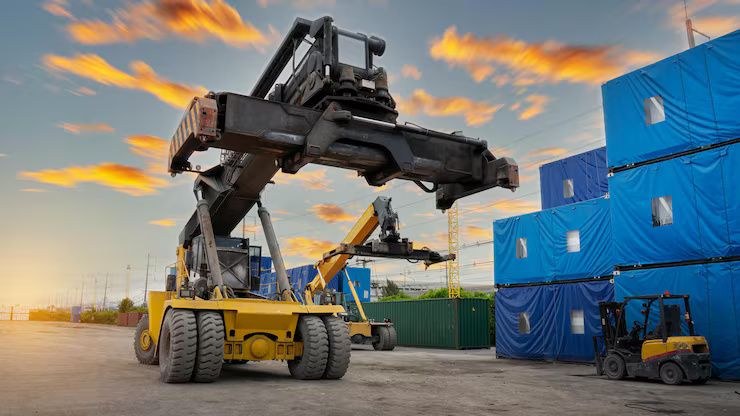
As industries become more automated and supply chains become increasingly complex, businesses are paying greater attention to how materials move through their facilities. The right combination of equipment and processes can improve workflow, reduce unnecessary movement, support workplace safety, and make better use of available space.
This guide explains the fundamentals of Material Handling Equipment, explores major categories, examines how Material Handling Systems work, and discusses the role of technology in modern industrial operations.
What Is Material Handling Equipment?
Material Handling Equipment refers to machines, tools, and systems used to lift, move, position, protect, store, and control materials throughout a facility or worksite.
The term covers a broad range of equipment, including:
- Forklifts
- Cranes
- Hoists
- Conveyors
- Pallet trucks
- Industrial carts
- Automated guided vehicles
- Storage and retrieval systems
- Racking systems
- Lifting platforms
The equipment selected depends on factors such as material type, load characteristics, facility layout, movement frequency, and operational requirements.
Material handling is not limited to large industrial facilities. Warehouses, retail distribution centers, airports, ports, hospitals, and construction sites also rely on specialized handling solutions.
Why Material Handling Systems Matter
A Material Handling System connects individual pieces of equipment into an organized workflow. Instead of treating lifting, transportation, and storage as separate activities, an integrated system considers how materials move from one stage to another.
Well-designed systems can help organizations:
- Improve material flow
- Reduce unnecessary handling
- Organize storage areas
- Support worker safety
- Improve space utilization
- Reduce product damage
- Increase operational visibility
- Support consistent workflows
The objective is not simply to move materials faster. Effective material handling focuses on moving the right material to the right location at the right time while maintaining safety and quality.
Main Categories of Material Handling Equipment
Material handling equipment can generally be divided into four broad categories: transport equipment, lifting equipment, storage equipment, and automated systems.
Transport Equipment
Transport equipment moves materials horizontally or across defined routes.
Common examples include conveyors, pallet trucks, industrial carts, and automated guided vehicles.
Conveyors are particularly useful for continuous movement between fixed points. They are frequently used in manufacturing and distribution environments where materials follow predictable routes.
Industrial carts and pallet trucks provide greater flexibility for shorter-distance movement, while automated vehicles can transport materials with limited direct human intervention.
Lifting Equipment
Lifting equipment is designed to raise and position heavy materials safely.
Examples include:
- Cranes
- Hoists
- Lifting tables
- Winches
- Vehicle-mounted lifting systems
Cranes are commonly used where heavy loads must be moved across large work areas. Hoists provide controlled vertical lifting and are often integrated with overhead crane systems.
The selection of lifting equipment depends on load capacity, lifting height, movement frequency, and workplace conditions.
Storage Equipment
Storage equipment helps organize materials while making efficient use of available space.
Examples include:
- Industrial shelving
- Pallet racking
- Cantilever racks
- Bins and containers
- Vertical storage systems
- Automated storage and retrieval systems
Storage solutions should consider material size, weight, accessibility, turnover rate, and inventory management requirements.
Automated Handling Systems
Automation is increasingly integrated into modern material handling operations.
Automated systems may include:
- Automated guided vehicles
- Autonomous mobile robots
- Robotic palletizers
- Automated storage and retrieval systems
- Conveyor control systems
- Warehouse management software
These technologies can improve consistency and provide better visibility into material movement.
Understanding Industrial Material Handling Equipment
Industrial Material Handling Equipment is designed for demanding environments where materials may be heavy, oversized, fragile, or moved frequently.
Industrial applications often require equipment capable of handling:
- High load capacities
- Continuous operation
- Challenging environmental conditions
- Large material volumes
- Precise positioning
- Repetitive movement
Examples include overhead cranes in manufacturing plants, forklifts in warehouses, conveyors in production lines, and specialized lifting equipment in construction environments.
The equipment must be selected according to actual operating conditions rather than general assumptions.
How to Select the Right Equipment
Choosing appropriate material handling equipment requires understanding the entire workflow.
Evaluate the Material
Consider the material's:
- Weight
- Dimensions
- Shape
- Fragility
- Temperature
- Hazard classification
- Packaging
Different materials require different handling approaches.
Examine the Movement Pattern
Determine whether materials move continuously, periodically, or irregularly.
Fixed movement routes may suit conveyor systems, while changing routes may require mobile equipment.
Consider Facility Layout
Available floor space, ceiling height, aisle width, loading areas, and storage configuration all influence equipment selection.
Review Operational Requirements
Consider the volume of materials handled, movement frequency, required precision, and expected operating conditions.
A system designed for occasional material movement may differ significantly from one supporting continuous production.
The Role of Material Handling Equipment Manufacturers
Material Handling Equipment Manufacturers contribute to the development and production of equipment used across industrial and commercial environments.
Their work may involve:
- Mechanical engineering
- Electrical systems
- Automation
- Robotics
- Safety technologies
- Software integration
- Equipment testing
Modern manufacturers increasingly develop connected systems that combine physical equipment with digital monitoring and control technologies.
This shift is helping facilities move toward more integrated Material Handling Systems rather than relying on isolated machines.
Material Handling Equipment Comparison
| Equipment Type | Primary Function | Typical Environment |
|---|---|---|
| Forklifts | Horizontal and vertical movement | Warehouses and industrial facilities |
| Conveyors | Continuous material movement | Manufacturing and distribution |
| Cranes | Heavy lifting and positioning | Industrial plants and construction |
| Hoists | Controlled vertical lifting | Workshops and production areas |
| Automated Guided Vehicles | Automated transportation | Warehouses and factories |
| Racking Systems | Organized storage | Warehouses and distribution centers |
The most suitable equipment depends on the facility's workflow, material characteristics, and operational requirements.
Safety Considerations
Safety is a fundamental part of material handling.
Common safety practices include:
- Regular equipment inspections
- Operator training
- Proper load assessment
- Clearly marked travel routes
- Appropriate protective equipment
- Preventive maintenance
- Safe storage practices
- Emergency procedures
Equipment should always be operated according to manufacturer instructions and applicable workplace safety requirements.
Overloading, poor maintenance, inadequate training, and unsuitable equipment selection can create unnecessary risks.
Automation and Digital Transformation
Technology is changing how modern Material Handling Systems operate.
Sensors and connected devices can monitor equipment conditions and track material movement in real time. Warehouse management systems can coordinate inventory and movement, while robotics can perform repetitive transportation or sorting tasks.
Artificial intelligence and data analytics may also support:
- Demand forecasting
- Route optimization
- Predictive maintenance
- Inventory visibility
- Workflow analysis
- Equipment utilization monitoring
The growing connection between physical equipment and digital systems is creating more responsive and data-driven material handling environments.
Common Challenges in Material Handling
Organizations may encounter several challenges when designing or improving handling operations.
Inefficient Layouts
Poor facility layouts can create unnecessary travel distances and bottlenecks.
Equipment Mismatch
Using equipment that does not match load requirements or operating conditions can reduce efficiency and create safety concerns.
Manual Handling
Excessive manual movement can increase physical strain and slow repetitive workflows.
Maintenance Issues
Poorly maintained equipment can cause unexpected interruptions and reduce reliability.
Lack of Integration
Disconnected equipment and software systems can make it difficult to monitor overall material flow.
Addressing these challenges often requires evaluating the entire handling process rather than focusing on individual machines.
Future Trends in Material Handling
The future of material handling is increasingly connected to automation, robotics, and intelligent data systems.
Important trends include:
- Autonomous mobile robots
- Smart warehouse systems
- Advanced robotics
- Internet of Things sensors
- Predictive maintenance
- Digital inventory tracking
- Automated storage systems
- Energy-efficient equipment
- Cloud-connected management platforms
These developments are helping organizations create more flexible and transparent material movement processes.
At the same time, human workers remain essential for supervision, decision-making, maintenance, exception handling, and tasks that require adaptability.
Frequently Asked Questions
What is Material Handling Equipment?
Material Handling Equipment includes machines and systems used to lift, transport, position, store, and manage materials within industrial, warehouse, construction, and distribution environments.
What are the four main types of material handling equipment?
The main categories are transport equipment, lifting equipment, storage equipment, and automated handling systems.
What is a Material Handling System?
A Material Handling System is an integrated arrangement of equipment, processes, and technologies designed to move and store materials efficiently throughout a facility.
How do Material Handling Equipment Manufacturers support industry?
Material Handling Equipment Manufacturers design and produce equipment that supports lifting, transportation, storage, automation, and material flow across various industrial applications.
Why is automation important in material handling?
Automation can support consistent workflows, reduce repetitive manual tasks, improve inventory visibility, and provide data that helps organizations understand and optimize material movement.
Conclusion
Material Handling Equipment forms the foundation of efficient movement and storage across manufacturing, warehousing, logistics, construction, and many other industries. From basic lifting devices to advanced automated systems, each type of equipment serves a specific role within the broader material flow process.
The most effective approach begins with understanding the materials being handled, the facility layout, movement patterns, storage requirements, and safety considerations. As technology advances, Material Handling Systems are becoming increasingly connected through automation, robotics, sensors, and digital management platforms.
For organizations evaluating Industrial Material Handling Equipment, the focus should remain on creating a safe, organized, and adaptable workflow. By combining appropriate equipment with thoughtful system design and ongoing maintenance, facilities can build material handling operations that support productivity, reliability, and long-term operational efficiency.