Germany has become one of Europe's leading destinations for graduate education, attracting students from around the world with its strong academic reputation, research opportunities, and close ties between universities and industry. Whether pursuing an MBA or a specialized master's degree, students can choose from a wide range of programs that support both academic development and professional growth.
The country's higher education system combines internationally recognized universities, modern research facilities, and practical learning experiences. Many institutions collaborate with industries ranging from automotive engineering and information technology to finance, healthcare, and renewable energy, creating valuable opportunities for students seeking applied knowledge.
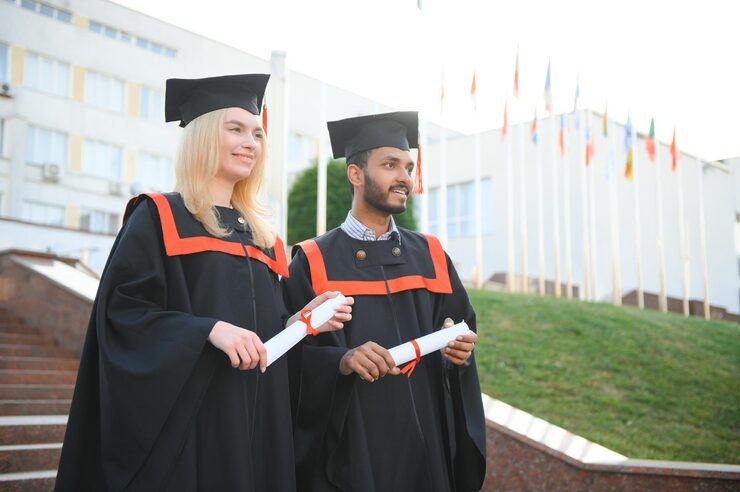
Understanding how MBA and master's programs differ, how admission works, and what academic pathways are available can help prospective students make informed decisions that align with their educational goals and long-term career plans.
Understanding Graduate Study Options
Although MBA and master's programs are both postgraduate qualifications, they are designed for different academic and professional objectives.
A master's degree typically allows students to deepen their knowledge in a specific discipline such as engineering, computer science, economics, biotechnology, architecture, or international business. These programs often build upon undergraduate education and emphasize technical expertise, research skills, and subject specialization.
MBA programs focus more heavily on management, leadership, organizational strategy, finance, marketing, and business decision-making. Many MBA candidates already have professional experience and seek to strengthen their managerial capabilities while expanding their business perspective.
Selecting between these options depends largely on previous education, work experience, and future career aspirations.
Germany's Higher Education Environment
German universities are known for maintaining rigorous academic standards while encouraging independent learning and analytical thinking. Students benefit from modern laboratories, collaborative research environments, and internationally recognized faculty across numerous disciplines.
Graduate education is available through several types of institutions, including traditional universities, universities of applied sciences, and specialized business schools. Each institution offers a different balance between theoretical education, practical application, and research activity.
Many graduate programs are delivered entirely in English, making Germany accessible to international students who may not yet possess advanced German language proficiency.
Admission Requirements
Admission requirements vary by institution and program, but applicants generally prepare several academic and supporting documents before submitting their applications.
Common admission requirements include:
- Bachelor's degree or equivalent qualification
- Academic transcripts
- Statement of purpose
- Curriculum vitae
- Letters of recommendation
- Proof of language proficiency
- Valid identification documents
MBA programs frequently require additional professional experience, while research-oriented master's degrees may emphasize academic performance and subject-specific preparation.
Applicants should carefully review each institution's admission criteria because requirements differ among universities and disciplines.
Academic Structure and Learning Experience
Graduate education in Germany combines classroom instruction with independent study, practical projects, and research activities.
Coursework often includes lectures, seminars, laboratory sessions, case studies, presentations, and collaborative assignments. Students are encouraged to develop analytical thinking, problem-solving abilities, and project management skills throughout their academic journey.
Many programs conclude with a master's thesis or applied research project that allows students to investigate a specialized topic while demonstrating their academic and technical capabilities.
The emphasis on independent learning helps prepare graduates for professional environments where critical thinking and initiative are highly valued.
Areas of Study Available
Germany offers graduate programs across an extensive range of academic disciplines, allowing students to pursue specialized education aligned with evolving industry needs.
Popular master's fields include engineering, computer science, artificial intelligence, mechanical engineering, environmental sciences, biotechnology, logistics, finance, economics, public policy, architecture, and data science.
MBA programs may provide concentrations in areas such as international business, innovation management, digital transformation, operations management, healthcare management, entrepreneurship, and sustainability.
This diversity enables students to select programs that complement both existing qualifications and future career interests.
Industry Connections and Practical Learning
One of Germany's distinguishing strengths is the close relationship between higher education and industry.
Universities frequently collaborate with manufacturers, technology companies, research organizations, and multinational enterprises through internships, research partnerships, industrial projects, and guest lectures.
Practical learning opportunities may include consulting projects, laboratory research, company visits, innovation workshops, and collaborative development initiatives. These experiences expose students to real business and engineering challenges while strengthening professional skills.
Industry engagement also helps students better understand workplace expectations before entering the job market.
Career Opportunities After Graduation
Graduates from German universities pursue careers across a broad spectrum of industries both within Germany and internationally.
Engineering graduates often contribute to manufacturing, automotive development, renewable energy, and industrial automation. Computer science specialists may enter software development, cybersecurity, cloud computing, or artificial intelligence.
MBA graduates commonly pursue careers in business consulting, financial management, marketing, operations, supply chain management, strategic planning, and organizational leadership.
International graduates also benefit from experience gained in a globally recognized education system that emphasizes analytical thinking, technical competence, and practical problem-solving.
Planning a Successful Application
Preparing a competitive graduate application requires careful planning well before application deadlines.
Prospective students should research academic programs thoroughly, compare course structures, evaluate language requirements, and understand institutional expectations. Preparing application documents early allows sufficient time to obtain transcripts, recommendation letters, and language certification where necessary.
Applicants should also consider how their academic background, professional experience, and long-term objectives align with the learning outcomes of each program rather than focusing solely on institutional reputation.
A thoughtful application demonstrates both academic readiness and a clear sense of purpose.
Frequently Asked Questions
Is prior work experience required for every graduate program?
No. Most master's programs primarily evaluate academic qualifications, while many MBA programs prefer or require relevant professional experience.
Are English-language graduate programs widely available?
Yes. Numerous German universities offer master's and MBA programs entirely in English, particularly in engineering, technology, business, and management disciplines.
Can international students specialize in technical fields?
Yes. Germany offers specialized graduate education across engineering, computer science, natural sciences, architecture, business, and many other academic disciplines.
What distinguishes an MBA from a master's degree?
An MBA focuses on business leadership and management, while a master's degree provides advanced education within a specific academic or technical discipline.
Conclusion
Germany continues to attract graduate students by combining academic excellence, industry collaboration, and diverse program offerings across multiple disciplines. Whether pursuing a specialized master's degree or an MBA, students benefit from internationally respected education, practical learning opportunities, and exposure to innovative research environments.
Carefully evaluating program objectives, admission requirements, and long-term career goals helps prospective students select the graduate pathway that best supports their professional development. A well-informed decision can provide a strong foundation for future academic achievement and meaningful career opportunities in an increasingly global workforce.