
Metal forging machines are industrial production equipment used to shape metal by applying controlled compressive force. Unlike machining processes that remove material, forging changes the shape of metal while maintaining its structural continuity, producing components with improved mechanical strength, durability, and fatigue resistance. Forging has been an essential manufacturing process for centuries and remains widely used in automotive, aerospace, railway, construction, mining, energy, defense, marine, agricultural machinery, and heavy industrial manufacturing.
Modern metal forging machines combine hydraulic systems, servo technology, computer numerical control (CNC), programmable logic controllers (PLC), robotics, Industrial Internet of Things (IIoT), artificial intelligence (AI), and smart manufacturing technologies. These advancements improve process accuracy, production consistency, energy efficiency, and equipment monitoring while supporting high-volume industrial production.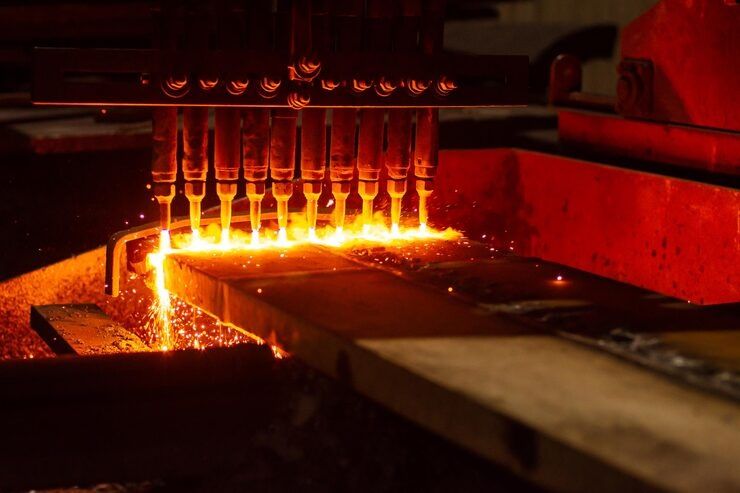
What Are Metal Forging Machines?
Metal forging machines are industrial machines designed to deform heated or cold metal into specific shapes using compressive force generated by hydraulic, mechanical, screw, pneumatic, or servo-driven systems.
The forging process produces parts with improved grain flow and mechanical properties compared with many other metal forming methods.
Common characteristics include:
- High forming force
- Precision motion control
- Heavy-duty construction
- Automated production capability
- Consistent dimensional accuracy
- Long operational life
- Integration with industrial automation
- Compatibility with various metal alloys
These machines manufacture components ranging from small precision parts to large structural components.
History of Metal Forging
Forging is one of the oldest metalworking technologies.
Major developments include:
- Manual hammer forging
- Water-powered forging hammers
- Steam hammers
- Mechanical forging presses
- Hydraulic forging presses
- Closed-die forging
- Precision forging
- CNC-controlled forging equipment
- Robotic forging cells
- Smart forging systems
Today's forging facilities use advanced automation and digital monitoring to improve productivity and product quality.
Types of Metal Forging Machines
Metal forging machines are available in several configurations depending on production requirements.
Hydraulic Forging Presses
Hydraulic presses generate compressive force using hydraulic cylinders and are widely used for large forged components requiring controlled deformation.
Mechanical Forging Presses
Mechanical presses use flywheel and crankshaft mechanisms to generate rapid forming force suitable for high-volume production.
Screw Presses
Screw forging presses provide controlled forming energy and are commonly used for precision forging applications.
Pneumatic Forging Hammers
Pneumatic hammers deliver repeated impact energy for shaping smaller forged components.
Power Hammers
Power hammers use mechanical or hydraulic energy to repeatedly strike heated metal workpieces.
Upset Forging Machines
Upset forging equipment increases the diameter of metal bars or rods by compressing material along its length.
Ring Rolling Machines
Ring rolling machines manufacture seamless forged rings used in bearings, wind turbines, aerospace components, and industrial machinery.
Radial Forging Machines
Radial forging equipment compresses material from multiple directions simultaneously, producing shafts, tubes, and cylindrical components.
Major Forging Processes
Forging operations vary according to product geometry and material characteristics.
Common forging processes include:
- Open-die forging
- Closed-die forging
- Impression-die forging
- Cold forging
- Warm forging
- Hot forging
- Precision forging
- Roll forging
- Upset forging
- Isothermal forging
Each process is selected according to component design and production requirements.
Manufacturing Technologies
Metal forging machine production combines advanced engineering and industrial manufacturing technologies.
Major technologies include:
- CNC machining
- Precision casting
- Heavy steel fabrication
- Robotic welding
- Heat treatment
- Gear manufacturing
- Hydraulic system assembly
- Servo drive integration
- Industrial automation
- Machine vision inspection
These technologies improve equipment reliability and manufacturing precision.
Production Processes
The manufacturing process generally includes:
- Engineering design
- Material selection
- Steel fabrication
- CNC machining
- Heat treatment
- Structural welding
- Hydraulic assembly
- Electrical integration
- Control system installation
- Factory testing
- Quality inspection
- Final assembly
Each stage contributes to long-term machine performance.
Raw Materials Used
Manufacturers commonly use:
- Carbon steel
- Alloy steel
- Stainless steel
- Cast iron
- Tool steel
- Forged steel
- Aluminum alloys
- Copper alloys
- Hydraulic components
- Bearings
- Linear guides
- Electronic components
Material selection depends on machine capacity and intended industrial application.
Manufacturing Equipment
Production facilities use specialized industrial machinery.
Typical equipment includes:
- CNC machining centers
- Vertical turning lathes
- Horizontal boring machines
- Gear cutting machines
- Robotic welding cells
- Heat treatment furnaces
- Coordinate measuring machines
- Grinding machines
- Hydraulic testing systems
- Automated inspection equipment
Advanced manufacturing equipment supports consistent production quality.
Forging Dies and Tooling
Forging dies determine the final geometry of forged components.
Common tooling includes:
- Open dies
- Closed dies
- Precision dies
- Trim dies
- Punches
- Mandrels
- Inserts
- Die holders
Proper die design influences component quality and production efficiency.
Heating Technologies
Many forging operations require controlled heating before metal deformation.
Heating methods include:
- Induction heating
- Gas-fired furnaces
- Electric furnaces
- Resistance heating
- Infrared heating
- Continuous reheating furnaces
Controlled temperature supports consistent material properties during forging.
Quality Control and Testing
Metal forging machines and forged components undergo extensive quality verification.
Common testing includes:
- Dimensional inspection
- Load testing
- Pressure testing
- Hydraulic system testing
- Weld inspection
- Hardness testing
- Ultrasonic testing
- Magnetic particle inspection
- Vibration analysis
- Functional testing
Quality control helps ensure compliance with engineering specifications and international manufacturing standards.
Importance
Why Metal Forging Machines Matter
Forging is widely used because it produces components with excellent structural integrity, consistent mechanical properties, and long operational life. Metal forging machines support efficient production of parts that operate under demanding mechanical loads, high temperatures, and repetitive stress.
Modern equipment also enables automated production with improved process consistency.
Supporting Industrial Manufacturing
Metal forging machines contribute to:
- Heavy equipment production
- Automotive manufacturing
- Aerospace engineering
- Energy infrastructure
- Railway manufacturing
- Construction equipment production
- Industrial machinery manufacturing
- Marine engineering
These applications require reliable high-strength metal components.
Industrial Applications
Metal forging machines support many industrial sectors.
Automotive Industry
Engine components, crankshafts, connecting rods, gears, axles, steering components, and transmission parts are commonly manufactured using forging processes.
Aerospace Industry
Aircraft structural components, landing gear, turbine discs, engine parts, and aerospace fasteners utilize precision forging technologies.
Railway Industry
Railway wheels, couplings, suspension parts, and axle components frequently use forged steel for improved durability.
Oil and Gas Industry
Forged flanges, valves, pressure vessel components, drilling equipment, and pipeline fittings operate in demanding environments.
Construction Equipment
Excavators, loaders, cranes, bulldozers, and earthmoving machinery use forged structural and mechanical components.
Power Generation
Power plants use forged turbine shafts, generator components, rotors, couplings, and pressure equipment.
Agricultural Machinery
Tractors, harvesters, tillage equipment, and agricultural implements include numerous forged components.
Global Manufacturers
Metal forging machines are manufactured across North America, Europe, Asia-Pacific, the Middle East, Africa, and Latin America.
Global manufacturers produce:
- Hydraulic forging presses
- Mechanical forging presses
- Screw presses
- Forging hammers
- Ring rolling machines
- Upset forging equipment
- Radial forging machines
- Automated forging systems
Production ranges from compact precision equipment to ultra-heavy industrial forging presses.
Global Suppliers
Global suppliers distribute forging equipment for:
- Automotive manufacturers
- Aerospace companies
- Heavy engineering
- Industrial machinery production
- Railway manufacturing
- Construction equipment factories
- Metalworking facilities
- General manufacturing industries
International logistics networks support industrial projects worldwide.
Supply Chain
The forging equipment supply chain generally includes:
- Raw material sourcing
- Component manufacturing
- Precision machining
- Machine assembly
- Hydraulic integration
- Software installation
- Factory acceptance testing
- Distribution centers
- Industrial installation
Digital supply chain management improves production planning and inventory control.
Pricing Factors
Equipment pricing may depend on:
- Machine capacity
- Forming force
- Automation level
- Hydraulic system design
- Control technology
- Structural size
- Tooling configuration
- Transportation
- International trade conditions
Pricing varies according to technical specifications and production capabilities.
Import and Export Market
Metal forging machines are widely traded internationally.
Frequently traded products include:
- Hydraulic forging presses
- Mechanical presses
- Forging hammers
- Ring rolling machines
- Heating furnaces
- Forging dies
- Hydraulic components
- Automation systems
International trade follows applicable engineering standards and customs regulations.
Environmental Sustainability
Manufacturers continue improving environmental performance through:
- Energy-efficient hydraulic systems
- Servo-driven machinery
- Heat recovery technologies
- Material utilization optimization
- Reduced manufacturing waste
- Water conservation
- Efficient lubrication systems
These initiatives support responsible industrial manufacturing.
Recycling in Forging Manufacturing
Many materials used in forging production can be recovered through recycling.
Examples include:
- Steel recycling
- Aluminum recovery
- Copper recycling
- Hydraulic oil recovery
- Tool steel recycling
- Packaging material recycling
Material recovery supports circular manufacturing practices.
Smart Manufacturing (Industry 4.0)
Modern forging equipment increasingly incorporates Industry 4.0 technologies.
These include:
- Artificial intelligence
- Industrial Internet of Things (IIoT)
- Digital twins
- Predictive maintenance
- Machine learning
- Robotic automation
- Cloud monitoring
- Automated quality inspection
- Manufacturing execution systems
- Real-time production analytics
Digital technologies improve machine monitoring, maintenance planning, and production efficiency.
Future Trends
Current developments include:
- Servo-driven forging presses
- AI-assisted process optimization
- Smart forging cells
- Robotic material handling
- Digital simulation software
- Energy-efficient hydraulic systems
- Advanced die materials
- High-strength lightweight alloys
- Automated inspection systems
- Cloud-connected production monitoring
These developments continue advancing modern forging technology.
Frequently Asked Questions (FAQs)
What is a metal forging machine?
A metal forging machine is industrial equipment that shapes metal using compressive force through hydraulic, mechanical, screw, pneumatic, or servo-driven systems.
What are the major types of metal forging machines?
The primary types include hydraulic forging presses, mechanical forging presses, screw presses, forging hammers, upset forging machines, ring rolling machines, and radial forging machines.
Which industries use metal forging machines?
Automotive, aerospace, railway, oil and gas, construction equipment, energy, marine, agricultural machinery, and industrial manufacturing commonly use forging equipment.
What materials can be forged?
Common forged materials include carbon steel, alloy steel, stainless steel, aluminum alloys, titanium alloys, copper alloys, nickel alloys, and various engineering metals.
What technologies are used in modern forging machines?
Modern forging machines integrate CNC controls, programmable logic controllers, robotics, artificial intelligence, Industrial Internet of Things (IIoT), predictive maintenance, digital twins, and automated monitoring systems.
Conclusion
Metal forging machines are essential industrial production equipment that combine forging technologies, advanced manufacturing processes, precision engineering, and digital automation to produce high-strength metal components. Global manufacturers and suppliers continue developing innovative forging equipment using Industry 4.0 technologies, intelligent control systems, and sustainable manufacturing practices. As industrial engineering continues to evolve, metal forging machines remain fundamental to automotive, aerospace, energy, heavy equipment, and modern manufacturing industries worldwide.