
Extraction plays a vital role in scientific research, quality control, and industrial analysis. Whether researchers are studying natural compounds, evaluating environmental samples, or analyzing product compositions, reliable extraction methods are essential for obtaining accurate results.
Among the most widely recognized laboratory techniques is the Soxhlet extraction system. Known for its efficiency and repeatability, this method has remained a trusted analytical tool for decades. Despite the emergence of newer extraction technologies, Soxhlet extraction continues to be used extensively in laboratories around the world.
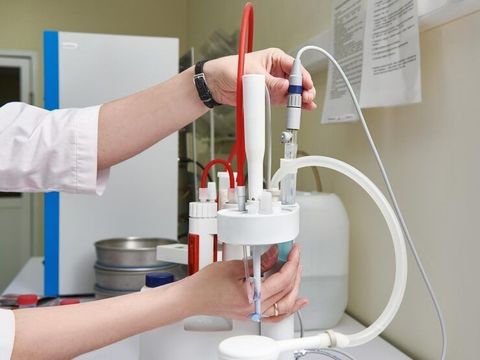
This guide explores the principles behind Soxhlet extraction systems, the technologies that support them, and the industrial sectors where they remain highly valuable.
What Are Soxhlet Extraction Systems?
A Soxhlet extraction system is a laboratory apparatus designed to separate soluble compounds from solid materials through continuous solvent extraction. The technique allows a sample to be repeatedly exposed to fresh solvent without requiring constant manual intervention.
The system operates through a cyclical process in which solvent is heated, evaporated, condensed, and passed through the sample multiple times. This repeated contact helps maximize extraction efficiency and improve compound recovery.
A typical Soxhlet setup includes:
- Extraction chamber
- Condenser unit
- Solvent flask
- Extraction thimble
Together, these components create an automated extraction cycle that can operate continuously for extended periods.
Why Soxhlet Extraction Remains Important
Although modern analytical laboratories have access to numerous extraction methods, Soxhlet extraction remains relevant because of its proven reliability and consistent performance.
Researchers often select this technique when they need thorough extraction of compounds from complex solid materials. The method is especially useful when target substances are present in relatively low concentrations.
Its continued popularity is driven by several factors:
- Reliable extraction performance
- Established laboratory protocols
- High reproducibility
- Compatibility with diverse sample types
Because of these advantages, Soxhlet extraction is frequently used as a reference method in scientific studies.
How Soxhlet Extraction Works
The Soxhlet process follows a continuous cycle that gradually separates desired compounds from a sample.
Sample Preparation
The process begins by placing the sample inside a porous extraction thimble. The thimble allows solvent to pass through while retaining the solid material.
Proper preparation of the sample is important because factors such as particle size and moisture content can influence extraction efficiency.
Solvent Heating
A selected solvent is placed in a flask located beneath the extraction chamber.
As the solvent is heated, it evaporates and travels upward through the apparatus toward the condenser.
Condensation Stage
Inside the condenser, cooling causes the solvent vapor to return to liquid form.
The condensed solvent then drips into the extraction chamber and comes into contact with the sample material.
Continuous Extraction Cycle
As the solvent accumulates, it dissolves target compounds from the sample.
Once the chamber reaches a predetermined level, the solvent automatically siphons back into the boiling flask, carrying extracted compounds with it.
This cycle repeats continuously, gradually concentrating the extracted substances in the collection flask.
Key Components of a Soxhlet Extraction System
Each component of the system serves a specific purpose within the extraction process.
Extraction Thimble
The extraction thimble contains the sample while allowing solvent movement throughout the system.
Its design prevents solid particles from contaminating the extracted solution.
Extraction Chamber
This chamber serves as the primary location where solvent interacts with the sample.
Repeated solvent exposure improves extraction efficiency and compound recovery.
Condenser
The condenser transforms solvent vapor back into liquid form.
Efficient condensation is essential for maintaining a continuous extraction cycle.
Heating System
The heating unit generates the energy required to evaporate the solvent.
Consistent temperature control helps ensure reliable and repeatable analytical results.
Extraction Technologies Used in Modern Laboratories
While the traditional Soxhlet method remains widely used, modern laboratories often incorporate additional technologies to improve efficiency and performance.
Automated Extraction Systems
Automation reduces manual handling and helps improve consistency between analytical procedures.
Automated systems can control extraction duration, temperature, and operational parameters with greater precision.
Digital Temperature Control
Modern equipment frequently includes electronic temperature management systems.
Accurate temperature regulation supports efficient extraction while helping maintain analytical consistency.
Advanced Laboratory Monitoring
Many laboratories use monitoring technologies that provide real-time information about extraction conditions.
These systems help improve process control and support more reliable experimental outcomes.
Common Solvents Used in Soxhlet Extraction
The choice of solvent depends on the nature of the sample and the compounds being analyzed.
Researchers select solvents based on factors such as solubility, selectivity, and compatibility with analytical objectives.
Commonly used solvents include:
- Hexane
- Ethanol
- Methanol
- Acetone
Selecting the appropriate solvent is one of the most important factors influencing extraction efficiency.
Laboratory Applications of Soxhlet Extraction
Soxhlet extraction is widely used across numerous scientific disciplines.
Food and Nutritional Analysis
Food laboratories often use Soxhlet extraction to determine fat content and analyze product composition.
The method provides dependable results that support quality evaluation and nutritional studies.
Environmental Research
Environmental scientists frequently apply Soxhlet extraction when studying soil, sediment, and other environmental samples.
The technique helps isolate contaminants and organic compounds for further analysis.
Pharmaceutical Studies
Pharmaceutical researchers use extraction methods to isolate active compounds from natural and synthetic materials.
Soxhlet systems support formulation research and compound characterization activities.
Chemical Analysis
Analytical laboratories often rely on Soxhlet extraction when separating and purifying substances for scientific investigation.
Its repeatability makes it valuable for research and quality assurance purposes.
Industrial Applications of Soxhlet Extraction Systems
Beyond research laboratories, Soxhlet extraction also supports various industrial sectors.
Food Processing Industry
Manufacturers use extraction methods to evaluate product composition and maintain quality standards.
Reliable analytical testing contributes to consistent production outcomes.
Agricultural Research
Agricultural laboratories use Soxhlet extraction to study plant materials, oils, and other biological substances.
These analyses help support crop research and product development activities.
Chemical Manufacturing
Chemical companies utilize extraction technologies for product evaluation, quality monitoring, and research applications.
The ability to isolate specific compounds supports a wide range of industrial investigations.
Biotechnology Sector
Biotechnology organizations often employ extraction methods during research and development activities involving biological materials and natural compounds.
Benefits of Soxhlet Extraction Systems
Soxhlet extraction remains popular because it provides several practical advantages.
Key benefits include:
- Thorough compound extraction
- Reliable analytical performance
- Consistent reproducibility
- Compatibility with diverse materials
These strengths continue to make the technique valuable in both research and industrial environments.
Challenges and Limitations
Despite its advantages, Soxhlet extraction has some limitations that laboratories must consider.
One of the primary challenges is extraction time. Depending on the sample and solvent, procedures may require several hours to achieve complete extraction.
Solvent consumption can also be higher compared to some modern extraction technologies.
However, many researchers continue to use Soxhlet extraction because of its proven effectiveness and well-established methodology.
Future Trends in Extraction Technology
Laboratory extraction technologies continue to evolve as researchers seek greater efficiency and sustainability.
Several developments are shaping the future of extraction science:
- Automated laboratory workflows
- Enhanced extraction efficiency
- Reduced solvent consumption
- Advanced analytical integration
These innovations are helping laboratories improve productivity while maintaining analytical accuracy.
Even as newer techniques emerge, Soxhlet extraction remains an important benchmark method for evaluating extraction performance.
Conclusion
Soxhlet extraction systems continue to play an important role in laboratory science, industrial analysis, and research applications. Their ability to provide consistent, reliable, and efficient compound recovery has ensured their long-standing relevance across multiple industries.
From food analysis and environmental testing to pharmaceutical research and biotechnology studies, Soxhlet extraction remains a trusted method for separating and analyzing valuable compounds. As laboratory technologies continue to advance, this proven extraction technique will remain a fundamental tool in analytical and industrial environments.