
Moisturizers are essential skin-care products designed to maintain hydration, reduce water loss, and support the skin's natural protective barrier. They are available in different formulations, including creams, lotions, gels, ointments, balms, and lightweight facial moisturizers. Each type has specific characteristics that influence its texture, absorption, and suitability for different skin conditions.
The skin barrier plays an important role in maintaining moisture and protecting the body from external irritants, environmental pollutants, and microorganisms. When this barrier becomes weakened, the skin may experience dryness, tightness, flaking, irritation, and increased sensitivity. Moisturizers help support the barrier by supplying water-attracting ingredients, replenishing skin lipids, and forming protective layers that reduce moisture loss.
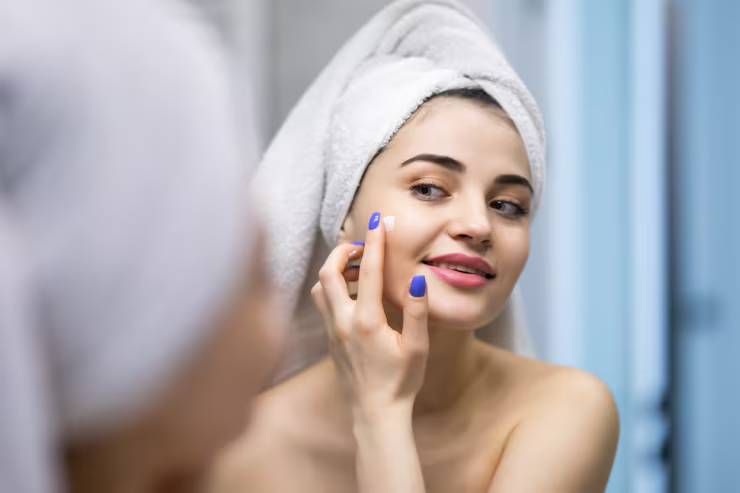
Modern moisturizer formulations combine ingredients such as hyaluronic acid, glycerin, ceramides, shea butter, petrolatum, and various botanical oils. Understanding these ingredients, product categories, formulation technologies, and skin applications can help consumers select suitable products for their individual skin-care needs.
What Are Moisturizers?
Moisturizers are topical products formulated to improve skin hydration and maintain the condition of the outer skin layer, known as the stratum corneum. This layer consists of skin cells surrounded by lipids that help limit water loss and protect against external substances.
Moisturizers work through different mechanisms. Some ingredients attract water into the outer skin layer, while others help soften the skin or reduce evaporation. Many formulations combine multiple ingredient categories to provide several moisturizing effects at the same time.
The main functions of moisturizers include:
Supporting the skin's natural moisture balance.
Reducing dryness, roughness, and flaking.
Helping maintain the skin barrier.
Improving skin softness and flexibility.
Reducing moisture loss from the skin surface.
Supporting skin comfort after cleansing or environmental exposure.
Moisturizers are used in daily skin-care routines and are also included in dermatological care for certain dry-skin conditions. However, they do not replace medical treatment when dryness is caused by an underlying skin disorder.
Understanding the Skin Barrier
The skin barrier is the outermost protective layer of the skin. It helps regulate water loss and limits the entry of potentially irritating substances.
The stratum corneum is often described using a brick-and-mortar structure. Skin cells act as the bricks, while lipids between the cells function as the mortar. This arrangement helps maintain the structure and protective function of the skin.
Important Components of the Skin Barrier
Ceramides: These are lipid molecules that help maintain the structure of the outer skin layer and support moisture retention.
Cholesterol: Cholesterol is an important component of skin lipids and contributes to barrier organization.
Free fatty acids: These lipids help maintain the structure and function of the skin barrier.
Natural moisturizing factors: These are substances within the outer skin layer that attract and retain water. They include amino acids, urea, lactate, and other water-binding compounds.
Causes of Skin Barrier Damage
The skin barrier can become weakened due to several factors, including:
Frequent washing with harsh cleansers.
Excessive use of exfoliating products.
Cold, dry, or windy weather.
Prolonged exposure to hot water.
Certain skin conditions, such as eczema.
Aging and changes in natural skin lipid production.
Exposure to irritating chemicals or unsuitable skin-care products.
When the barrier is impaired, water can escape more easily from the skin. This process is known as transepidermal water loss (TEWL).
Moisturizers help reduce this loss and support the skin's natural recovery processes.
Main Types of Moisturizers
Moisturizers are commonly classified according to their texture, formulation, and primary moisturizing mechanism.
Cream-Based Moisturizers
Creams are thicker formulations containing a combination of water and oil-based ingredients. They are commonly used for normal, dry, and mature skin.
Cream moisturizers may contain:
Ceramides.
Glycerin.
Shea butter.
Dimethicone.
Fatty acids.
Mineral oils.
Their richer consistency helps soften the skin and reduce moisture loss. Some creams are designed for facial use, while others are formulated for the hands, feet, and body.
Lotion-Based Moisturizers
Lotions are generally lighter than creams because they contain a higher proportion of water relative to oil-based ingredients.
They spread easily and are often used for normal, combination, and mildly dry skin. Body lotions are commonly formulated for larger skin areas, while facial lotions may include ingredients for specific skin-care concerns.
Gel Moisturizers
Gel moisturizers typically have a lightweight, water-based consistency. They may contain humectants such as glycerin and hyaluronic acid.
These formulations are frequently selected by people with oily or combination skin who prefer products that feel less heavy.
Some gel moisturizers also contain soothing ingredients such as aloe vera, panthenol, and allantoin.
Ointment-Based Moisturizers
Ointments are generally thicker and contain a high proportion of oil-based ingredients. They form a protective layer on the skin that helps reduce water loss.
Petrolatum is a commonly used ingredient in ointment formulations. These products are often used for very dry, rough, or damaged skin areas.
Because ointments can feel greasy, they are generally applied to targeted areas rather than used as lightweight facial products.
Moisturizing Balms
Balms are concentrated formulations that may contain waxes, oils, butters, and occlusive ingredients.
They are commonly used on dry areas such as the lips, elbows, heels, and hands. Some balms are designed for facial use, particularly in cold or dry environmental conditions.
Facial Moisturizers
Facial moisturizers are developed specifically for the skin of the face. They are available in creams, lotions, gels, fluids, and emulsions.
Different products may be designed for oily, dry, sensitive, acne-prone, or mature skin. Some facial moisturizers also include sunscreen, antioxidants, or ingredients intended to improve the appearance of uneven skin tone.
Three Main Moisturizing Mechanisms
Most moisturizers work through three major ingredient categories: humectants, emollients, and occlusives.
Humectants
Humectants attract water and help maintain hydration in the outer skin layer. They are commonly included in lightweight lotions, gels, serums, and creams.
Common humectants include:
Glycerin: A widely used ingredient that attracts water and supports skin hydration.
Hyaluronic acid: A water-binding ingredient that can help improve the hydrated appearance of the skin.
Urea: Used in different concentrations to moisturize dry skin. Higher concentrations may also help soften thickened skin.
Sodium PCA: A component related to natural moisturizing factors that helps attract and retain water.
Panthenol: Also known as provitamin B5, it functions as a skin-conditioning and moisturizing ingredient.
Humectants are often combined with emollients and occlusives to help maintain hydration.
Emollients
Emollients help soften and smooth the skin by filling spaces between rough or damaged areas of the outer skin layer.
Common emollients include:
Shea butter.
Squalane.
Caprylic and capric triglycerides.
Fatty alcohols.
Plant-derived oils.
Certain silicones.
Emollients improve the feel and flexibility of the skin and are frequently included in creams and lotions.
Occlusives
Occlusives create a protective layer on the skin surface that slows down water evaporation.
Common occlusive ingredients include:
Petrolatum: A highly effective occlusive ingredient used in ointments and protective skin products.
Dimethicone: A silicone-based ingredient that helps form a smooth protective layer.
Mineral oil: An oil-based ingredient used to soften skin and reduce moisture loss.
Beeswax: A wax used in certain balms and protective formulations.
Lanolin: A wax-like material used in some moisturizing products, although it may cause sensitivity in certain individuals.
Many effective moisturizers combine all three categories to provide hydration, softness, and barrier support.
Important Ingredients Used in Moisturizers
Modern skin-care manufacturers use a variety of ingredients to develop moisturizers for different skin types and concerns.
Ceramides
Ceramides are naturally present in the skin barrier and play an important role in maintaining its lipid structure.
Moisturizers containing ceramides are often used in formulations for dry and sensitive skin. Some products combine ceramides with cholesterol and fatty acids to support barrier function.
Hyaluronic Acid
Hyaluronic acid is a water-binding substance used in many facial moisturizers and hydrating serums.
It helps attract and retain moisture in the outer skin layers. Different molecular weights may be used in cosmetic formulations, although the effects depend on the complete product and its application.
Glycerin
Glycerin is one of the most widely used humectants in skin-care products. It attracts water and helps improve the hydration of the outer skin layer.
It is commonly found in facial creams, body lotions, hand creams, and dermatological moisturizers.
Shea Butter
Shea butter is a plant-derived fat obtained from the nuts of the shea tree. It contains fatty acids and is used as an emollient in creams, body butters, and balms.
It helps soften the skin and contributes to the richness of a formulation.
Petrolatum
Petrolatum is an occlusive ingredient used in products designed for dry and damaged skin. It creates a protective layer that significantly reduces water loss.
It is frequently included in ointments, protective balms, and specialized dermatological formulations.
Squalane
Squalane is an emollient ingredient used to improve skin softness and reduce roughness. It is commonly included in facial moisturizers because of its lightweight feel.
It can be derived from different sources and is chemically stable when properly formulated.
Niacinamide
Niacinamide, also known as vitamin B3, is used in moisturizers for several skin-care purposes. It may help support barrier function, improve the appearance of uneven skin tone, and reduce visible redness in some individuals.
It is commonly included in facial lotions, creams, and products designed for combination or sensitive skin.
Colloidal Oatmeal
Colloidal oatmeal is finely processed oatmeal used in skin-care formulations. It can help soothe dry and irritated skin and is commonly included in products designed for sensitive skin.
It is also used in certain dermatological products for eczema-prone skin.
Moisturizer Formulations and Manufacturing Technologies
The performance and texture of a moisturizer depend on its formulation structure, ingredient compatibility, and manufacturing process.
Oil-in-Water Emulsions
Oil-in-water emulsions contain small oil droplets distributed throughout a water-based phase.
They generally produce lighter textures and are commonly used in facial lotions, body lotions, and daily moisturizing creams.
These formulations may spread easily and absorb relatively quickly.
Water-in-Oil Emulsions
Water-in-oil emulsions contain water droplets dispersed within an oil-based continuous phase.
They are generally richer and more protective than many oil-in-water products. These formulations may be suitable for very dry skin or environmental conditions that increase moisture loss.
Lamellar Emulsion Technology
Lamellar emulsions are designed to create layered structures that resemble certain arrangements of lipids found in the skin barrier.
This technology is used in some specialized moisturizing products. Formulation design may help support skin comfort and barrier-related functions, although performance depends on the complete ingredient system.
Liposomal Delivery Systems
Liposomal technology uses microscopic structures made from lipid materials to carry selected ingredients.
In skin-care formulations, liposomes may be used to improve ingredient distribution or formulation stability. Their effectiveness depends on the ingredient, delivery system, and product design.
Silicone-Based Formulations
Silicones such as dimethicone and cyclopentasiloxane are used to improve spreadability, skin feel, and protective characteristics.
They are common in facial moisturizers, primers, and products designed to create a smooth finish.
Preservative and Stability Systems
Moisturizers containing water require appropriate preservation systems to limit microbial growth during storage and use.
Formulators also evaluate pH, viscosity, ingredient compatibility, packaging, and long-term stability. These factors help maintain product quality throughout its intended shelf life.
Moisturizers for Different Skin Types
Choosing a moisturizer depends on skin characteristics, environmental conditions, and individual product tolerance.
Moisturizers for Dry Skin
Dry skin may benefit from richer creams containing ceramides, glycerin, shea butter, petrolatum, or other emollient and occlusive ingredients.
These products help soften rough areas and reduce moisture loss.
Moisturizers for Oily Skin
People with oily skin may prefer lightweight gels, fluids, or oil-in-water lotions.
Products labeled non-comedogenic may be considered by individuals concerned about clogged pores. However, individual responses can vary, and no label guarantees that a product will suit every person.
Moisturizers for Combination Skin
Combination skin may have oily areas, particularly around the forehead, nose, and chin, alongside drier cheeks.
Lightweight lotions or gel-creams may provide balanced hydration. Some individuals may prefer applying richer products only to dry areas.
Moisturizers for Sensitive Skin
Sensitive skin may respond better to simple formulations with fewer potential irritants.
Fragrance-free products containing glycerin, ceramides, colloidal oatmeal, or panthenol may be suitable options. Individuals with persistent reactions should seek dermatological advice.
Moisturizers for Mature Skin
Mature skin may experience reduced natural oil production and changes in barrier function.
Cream-based formulations containing ceramides, hyaluronic acid, glycerin, and emollients may help improve hydration and skin softness.
Moisturizers for Acne-Prone Skin
People with acne-prone skin may benefit from lightweight, non-comedogenic moisturizers.
Hydration remains important because certain acne treatments can cause dryness and irritation. A suitable moisturizer can help support the skin barrier during treatment.
Moisturizer Applications for Different Body Areas
Moisturizers are formulated for different parts of the body because skin thickness, oil production, and environmental exposure vary.
Facial Moisturizers
Facial products are generally designed with attention to texture, absorption, and compatibility with other skin-care products.
They may include ingredients such as hyaluronic acid, niacinamide, ceramides, and antioxidants.
Body Lotions and Creams
Body moisturizers are designed for larger areas, including the arms, legs, back, and torso.
They may contain richer emollients and humectants to address dryness caused by bathing, weather, or frequent cleansing.
Hand Creams
Hands are frequently exposed to water, detergents, cleaning products, and environmental conditions.
Hand creams may contain glycerin, petrolatum, dimethicone, and shea butter to support hydration and reduce dryness.
Foot Creams
Foot creams are often formulated for thick and rough skin on the heels and soles.
Some products contain urea or lactic acid to help soften hardened skin. Higher concentrations may have exfoliating effects and should be used according to product directions.
Lip Balms
Lip balms help protect the delicate skin of the lips from moisture loss and environmental exposure.
Common ingredients include petrolatum, beeswax, shea butter, and plant-derived oils. Some products also contain SPF for sun protection.
How to Use Moisturizers Correctly
Correct application can help improve the performance of moisturizing products.
Apply after cleansing: Moisturizer is commonly applied after washing the face or body to help maintain hydration.
Use on slightly damp skin: Applying moisturizer while the skin is slightly damp can help retain water in the outer skin layer.
Choose an appropriate amount: Use enough product to cover the intended area without creating unnecessary buildup.
Apply consistently: Regular use is generally more helpful for maintaining hydration than occasional application.
Adjust according to the environment: Richer formulations may be more comfortable in cold or dry conditions, while lighter products may be preferred in hot and humid weather.
Follow ingredient instructions: Products containing exfoliating ingredients or higher concentrations of urea may require specific application instructions.
People with eczema, persistent irritation, or other skin conditions should follow guidance from a qualified healthcare professional.
Factors to Consider When Choosing a Moisturizer
Selecting a moisturizer involves evaluating several product characteristics.
Skin Type and Condition
The product should match the skin's hydration needs. Very dry skin may require a richer cream or ointment, while oily skin may be more comfortable with a lightweight gel or lotion.
Ingredient Composition
Consumers can examine the ingredient list to identify humectants, emollients, occlusives, fragrances, and other active components.
Individuals with known allergies should avoid ingredients that have previously caused reactions.
Texture and Absorption
Product texture affects how comfortable a moisturizer feels during daily use. Creams and ointments generally provide richer coverage, while gels and fluids are often lighter.
Climate and Environmental Conditions
Humidity, temperature, air conditioning, and frequent washing can influence skin hydration needs. Product selection may need to change according to seasonal conditions.
Packaging and Product Stability
Moisturizers are available in jars, tubes, bottles, and pump dispensers. Packaging should protect the formulation from contamination and maintain product quality.
Regulatory Compliance
Consumers should consider products manufactured according to applicable cosmetic or dermatological product regulations. Product labeling, ingredient declarations, manufacturing information, and quality-control standards are relevant when evaluating a moisturizer.
Common Moisturizer-Related Skin Concerns
Although moisturizers are generally designed for regular use, certain formulations may cause unwanted reactions in some individuals.
Skin Irritation
Fragrances, preservatives, botanical extracts, and other ingredients may irritate sensitive skin. Redness, itching, or burning after application may indicate that a product is unsuitable.
Allergic Contact Dermatitis
Some individuals develop an allergic reaction to specific ingredients. Symptoms may include itching, redness, swelling, and a rash.
If a reaction occurs, discontinue the suspected product and seek medical advice if symptoms persist or become severe.
Clogged Pores
Rich formulations may not suit every acne-prone individual. Selecting a lightweight product and observing how the skin responds can help identify a suitable formulation.
Overuse of Active Ingredients
Some moisturizers contain exfoliating acids, retinoids, or other active ingredients. Using multiple active products together may increase irritation, particularly when the skin barrier is already weakened.
Frequently Asked Questions About Moisturizers
What is the difference between a moisturizer and a hydrating serum?
A hydrating serum generally contains lightweight ingredients, such as hyaluronic acid or glycerin, that attract water. A moisturizer may combine humectants, emollients, and occlusives to provide hydration, soften the skin, and reduce moisture loss.
Should oily skin use moisturizer?
Yes. Oily skin can still experience dehydration or barrier disruption. Lightweight gels and lotions may provide hydration without the heavier feel of rich creams.
Are ceramide moisturizers useful for skin barrier protection?
Ceramides are important components of the skin barrier. Moisturizers containing ceramides may help support barrier function, particularly when combined with other skin-compatible lipids and moisturizing ingredients.
Is it better to apply moisturizer on wet or dry skin?
Applying moisturizer to slightly damp skin after cleansing can help retain hydration. However, the ideal application method may depend on the product formulation and individual skin tolerance.
Can moisturizers help with eczema?
Moisturizers are an important part of basic eczema skin care because they help reduce dryness and support the skin barrier. They do not replace prescribed treatment for active inflammation or infection.
Conclusion
Moisturizers play an important role in maintaining skin hydration, improving softness, and supporting the natural skin barrier. Different product types, including creams, lotions, gels, ointments, and balms, are designed to address different skin conditions and application needs.
Their effectiveness depends on the combination of humectants, emollients, and occlusives, along with formulation technologies that influence texture, stability, and skin compatibility. Ingredients such as glycerin, hyaluronic acid, ceramides, petrolatum, shea butter, and niacinamide are commonly used in modern moisturizing products.
Choosing an appropriate moisturizer requires consideration of skin type, ingredient composition, environmental conditions, and individual sensitivities. Consistent use, combined with gentle cleansing and appropriate skin-care practices, can help maintain a comfortable and healthy skin barrier.
Disclaimer: The information provided in this article is for informational purposes only. We do not make any claims or guarantees regarding the accuracy, reliability, or completeness of the information presented. The content is not intended as professional advice and should not be relied upon as such. Readers are encouraged to conduct their own research and consult with appropriate professionals before making any decisions based on the information provided in this article.