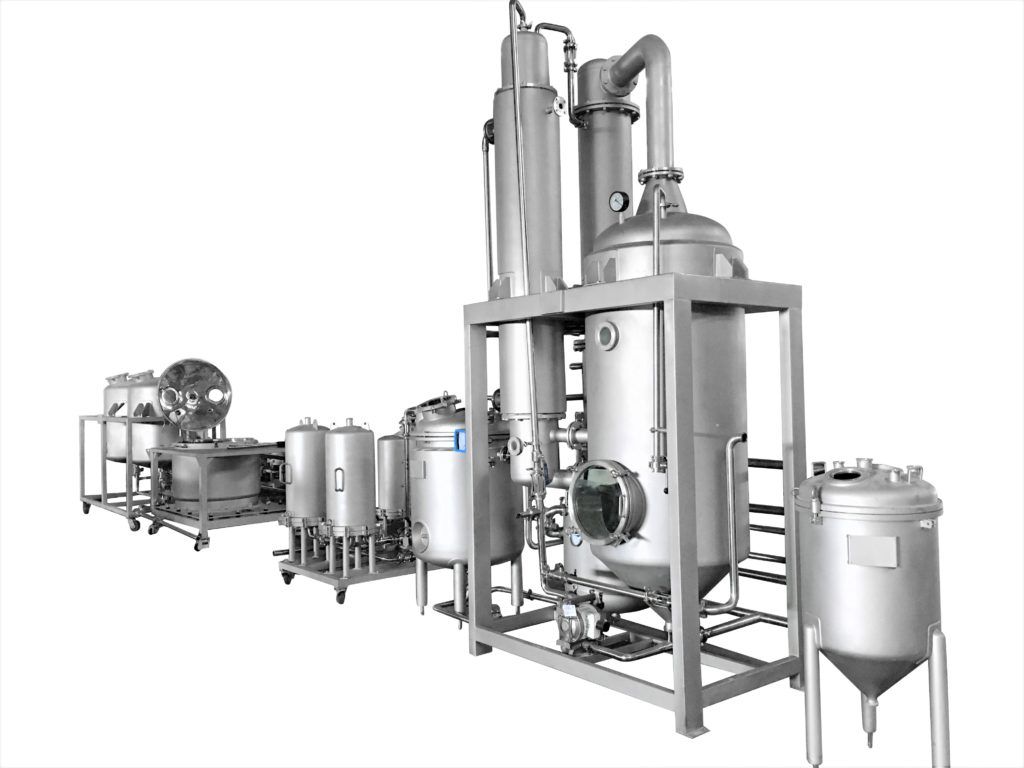
Oil extraction tools are equipment and instruments used to separate oil from seeds, nuts, fruits, and other oil-bearing materials.
Understanding their basic functions helps readers recognize how pressing, filtering, heating, and separation stages work together during oil processing.
Different materials require different extraction approaches. A small mechanical press, hydraulic press, expeller, filter unit, moisture meter, or temperature gauge can have a specific role in the overall process. Learning these basics can help users understand equipment selection, operation, maintenance, and safety requirements.
Context
Oil extraction is the process of separating oil from an oil-bearing raw material. Common materials include sunflower seeds, sesame seeds, peanuts, soybeans, coconut, olives, canola, and other agricultural products. The exact process depends on the characteristics of the raw material and the type of oil being produced.
Oil extraction tools range from simple manual equipment to electrically powered machinery used in larger processing facilities. Mechanical extraction generally uses pressure to release oil from prepared material. Some processes also use heat or controlled conditioning before pressing.
Common oil extraction equipment includes:
| Tool or equipment | Main function | Typical process stage |
|---|---|---|
| Seed cleaner | Removes dust and foreign material | Preparation |
| Grinder or crusher | Reduces material size | Preparation |
| Oil expeller | Applies continuous mechanical pressure | Extraction |
| Hydraulic press | Applies controlled pressure | Extraction |
| Filter press | Separates suspended solids from oil | Filtration |
| Settling tank | Allows particles to separate naturally | Clarification |
| Moisture meter | Measures moisture in raw material | Quality control |
| Temperature gauge | Monitors processing temperature | Process control |
Preparation is important because moisture, particle size, cleanliness, and material condition can influence extraction performance. Some materials are cleaned and conditioned before entering a press.
Mechanical pressing can produce both liquid oil and a solid residue commonly called press cake or oil cake. The composition and characteristics of these materials depend on the raw material and processing conditions.
Importance
Oil extraction tools matter because each stage can influence the efficiency, consistency, and quality of processing. Appropriate equipment can help maintain controlled operating conditions and reduce unnecessary handling.
For agricultural processors, food-processing facilities, laboratories, and educational users, understanding equipment functions provides a foundation for evaluating different extraction methods.
Important considerations include:
- Raw material type and physical characteristics
- Required processing capacity
- Moisture content
- Operating temperature
- Pressure and extraction conditions
- Filtration requirements
- Cleaning and sanitation procedures
- Machine guarding and operator safety
Safety is especially important around presses, crushers, rotating shafts, belts, gears, and other moving components. OSHA's general machine-guarding requirements state that hazardous moving parts and points of operation should be appropriately guarded.
Maintenance is another important factor. Operators should follow the equipment manufacturer's instructions for inspection, lubrication, cleaning, adjustment, and replacement of worn components. Energy isolation procedures may be necessary before maintenance or repair activities.
Recent Updates
Recent developments in oil extraction equipment have focused on process monitoring, automation, energy management, and improved control of operating conditions. Digital sensors can monitor variables such as temperature, pressure, moisture, motor load, and operating time.
Automation can also reduce the need for continuous manual adjustment. Modern processing systems may use programmable controls, electronic sensors, alarms, and data recording to monitor individual stages.
Another development is greater attention to traceability and food safety. Processing facilities increasingly use documented procedures for raw-material inspection, sanitation, equipment cleaning, process monitoring, and quality checks.
Small-scale equipment has also become more technically capable. Compact presses and filtration systems can incorporate adjustable pressure settings, temperature monitoring, improved feed mechanisms, and easier cleaning arrangements.
For large-scale vegetable-oil production involving solvent extraction, environmental controls are also important. In the United States, the Environmental Protection Agency maintains specific National Emission Standards for Hazardous Air Pollutants for certain vegetable-oil solvent-extraction facilities.
These developments do not mean every facility needs advanced automation. Equipment requirements should correspond to the material, process, operating environment, applicable regulations, and intended production scale.
Laws or Policies
Oil extraction equipment can be subject to several categories of regulations depending on the country and the type of processing facility. These may include food safety, workplace safety, environmental protection, electrical safety, labeling, sanitation, and waste-management requirements.
In the United States, covered food facilities may fall under the FDA Food Safety Modernization Act framework. The preventive-controls rule requires applicable facilities to conduct hazard analysis and establish written preventive controls when hazards require them.
Workplace machinery requirements are also relevant. OSHA's machine-guarding standard, 29 CFR 1910.212, addresses hazards involving points of operation, rotating parts, ingoing nip points, and other machine hazards. Fixed machinery should also be securely anchored where required.
Environmental requirements can apply when extraction processes involve solvents, emissions, wastewater, or other regulated materials. The applicable requirements depend on the process and location.
In India, facilities involved in edible-oil processing should check applicable requirements from the Food Safety and Standards Authority of India and relevant state or local authorities. Requirements can vary according to the type of food activity, facility, product, and processing method.
Because regulations can change, users should consult the relevant government authority and current regulatory text before making compliance decisions.
Tools and Resources
Several resources can help users understand oil extraction equipment and processing principles.
Useful resources include:
- Government food-safety websites for applicable processing requirements
- Workplace-safety authorities for machine-guarding guidance
- Environmental agencies for emissions and waste requirements
- Equipment manuals for operating and maintenance instructions
- Technical datasheets for specifications and operating ranges
- Food-processing textbooks for extraction and filtration principles
- Laboratory testing references for oil quality measurements
The FDA Food Safety Plan Builder is an example of a government-developed resource for applicable food facilities. It helps users work through food-safety planning based on hazard analysis and preventive controls.
For machine safety, OSHA's machine-guarding resources explain safeguards, points of operation, rotating machinery hazards, and energy-isolation considerations.
Users should also maintain practical records such as cleaning schedules, inspection checklists, maintenance logs, temperature records, and process-monitoring sheets. These records can help identify changes in equipment performance and support consistent procedures.
FAQs
What are oil extraction tools?
Oil extraction tools are machines, instruments, and supporting equipment used to separate oil from seeds, nuts, fruits, and other oil-bearing materials. Examples include presses, crushers, filters, settling tanks, moisture meters, and temperature gauges.
How does an oil expeller work?
An oil expeller generally uses a rotating screw or similar mechanism to move prepared material through a compression chamber. Increasing mechanical pressure helps release oil while the remaining solid material exits separately.
What is the difference between a hydraulic press and an expeller?
A hydraulic press applies pressure through a hydraulic mechanism, usually in controlled pressing cycles. An expeller generally uses continuous mechanical movement, often through a screw mechanism, to transport and compress the material.
Why is filtration important after extraction?
Freshly extracted oil can contain small particles and suspended material. Filtration helps separate these solids and can improve the clarity of the resulting liquid before additional processing or storage.
What safety precautions are important?
Operators should use appropriate machine guards, follow operating instructions, keep hands away from moving components, use suitable protective equipment, and isolate hazardous energy before applicable maintenance activities. OSHA specifically identifies machine guarding and energy-control practices as important parts of machinery safety.
Conclusion
Oil extraction tools perform different functions throughout preparation, pressing, filtration, clarification, and quality control. Understanding these functions makes it easier to recognize how individual pieces of equipment contribute to the overall extraction process.
Safe operation, proper maintenance, sanitation, process monitoring, and regulatory awareness are important regardless of the equipment scale. The appropriate approach depends on the raw material, extraction method, processing conditions, and applicable local requirements.
For anyone learning about oil extraction, starting with basic equipment functions provides a useful foundation. More advanced topics can then include process optimization, food safety controls, environmental considerations, and automated monitoring.
Accurate equipment manuals and current government guidance should remain the primary references when operating machinery or determining regulatory requirements.