Opera necklaces are long necklaces that typically measure between 28 and 36 inches (71–91 cm).
Their extended length allows them to hang below the collarbone and reach the upper chest or bust area. These necklaces are available in different materials, including pearls, gemstones, gold, silver, glass beads, and decorative metal links. Their defining feature is their length rather than a particular material or design.
The name comes from the traditional association between long necklaces and formal evening clothing. Classic opera necklaces often feature pearl strands, while contemporary designs incorporate colorful gemstones, pendants, and mixed materials. They can complement evening dresses, traditional outfits, formal jackets, and other clothing styles.
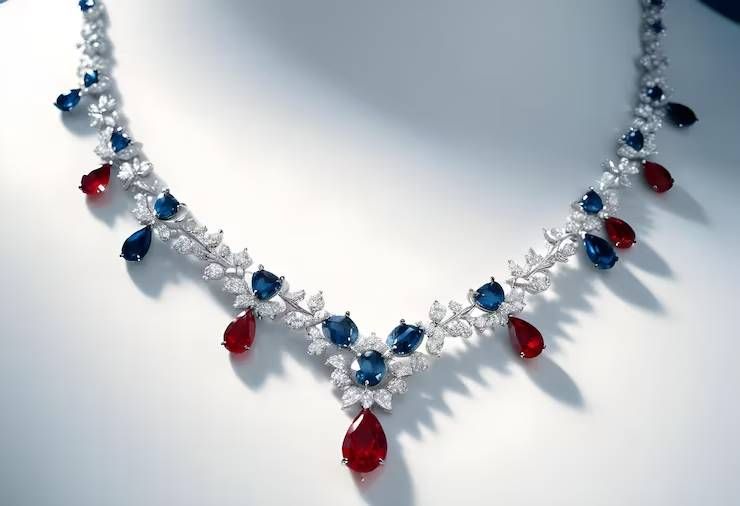
An opera necklace may be worn as a single strand or doubled around the neck to create a layered appearance. Some designs feature decorative clasps or pendants, while others use a continuous strand of pearls or beads. Their flexibility makes them suitable for weddings, cultural celebrations, formal gatherings, and selected everyday occasions.
Importance
Why Opera Necklaces Remain Relevant
Opera necklaces provide a way to introduce length, texture, and visual balance to an outfit. Their vertical appearance can complement simple clothing without requiring several separate accessories. Compared with shorter necklaces, they extend farther down the upper body and create a more noticeable line.
Their variety of materials also makes them adaptable to different preferences. Pearl opera necklaces have a traditional appearance, while gemstone strands introduce color and texture. Gold and silver chain designs provide another interpretation of the long-necklace style, ranging from delicate links to heavier decorative patterns.
Common Materials and Designs
The material used in an opera necklace influences its appearance, durability, weight, and care requirements.
| Material | Main characteristics | Common applications |
|---|---|---|
| Cultured pearls | Rounded forms with a distinctive luster | Formal events and weddings |
| Gold chains | Warm metallic appearance and varied link patterns | Celebrations and traditional clothing |
| Silver chains | Cool-toned finish and understated styling | Everyday and semi-formal outfits |
| Gemstones | Different colors, patterns, and surface characteristics | Festive occasions and statement jewellery |
| Glass beads | Decorative colors and reflective finishes | Fashion accessories and special events |
| Imitation pearls | Manufactured to resemble real pearls | Costume jewellery and decorative designs |
| Mixed materials | Combinations of pearls, chains, beads, and pendants | Contemporary jewellery styles |
Cultured pearls develop inside mollusks with human assistance, whereas imitation pearls are manufactured from materials such as glass or plastic. These materials can look similar in photographs, but their composition, physical characteristics, and value differ.
Understanding Opera Necklace Length
Opera necklaces belong to a broader group of necklace styles classified partly by length. Understanding these categories helps readers interpret jewellery descriptions and compare different designs.
| Necklace style | Typical length | General appearance |
|---|---|---|
| Choker | 14–16 inches | Sits close to the neck |
| Princess | 17–19 inches | Falls around the collarbone |
| Matinee | 20–24 inches | Reaches the upper chest |
| Opera | 28–36 inches | Falls toward the bust |
| Rope | Usually longer than 36 inches | Creates an extended strand that may be wrapped |
These measurements are general guidelines rather than universal standards. The actual hanging position depends on the necklace's length, the wearer's proportions, and the thickness of the strand.
Choosing a Suitable Design
Several practical considerations can help readers understand which opera necklace design may suit a particular outfit or occasion.
- Neckline: High-neck garments can work with long strands worn over the fabric, while open necklines provide room for pendants and layered arrangements.
- Material: Pearls, gemstones, and metal chains have different weights, maintenance requirements, and visual effects.
- Clothing color: Neutral materials can complement many outfits, while colored gemstones introduce contrast.
- Comfort: The necklace's weight, flexibility, and clasp affect how comfortably it can be worn.
- Occasion: Delicate designs may suit formal settings, while colorful beads can complement casual or festive clothing.
A necklace does not need to match every detail of an outfit. Considering its length, texture, and overall appearance can help create a balanced look without making the accessories appear overly complicated.
Styling and Practical Limitations
Opera necklaces can sometimes be doubled around the neck to create a shorter, layered appearance. However, this depends on the design and construction. A necklace with a fragile clasp, heavy pendant, or closely arranged decorative elements may not be suitable for repeated wrapping.
Long strands can also catch on clothing, bags, and other objects. Heavy gemstones or substantial metal links may become uncomfortable during extended wear. For regular use, lightweight designs with secure fastenings may be easier to manage than intricate arrangements.
Pearl necklaces require particular care because their surfaces can be affected by chemicals, rough contact, and unsuitable storage. Keeping necklaces separate from other accessories can help reduce scratches, tangling, and unnecessary wear.
Recent Updates
Contemporary Opera Necklace Designs
As of October 13, 2026, opera necklaces remain part of the broader jewellery category that includes pearl strands, gemstone necklaces, long metal chains, and mixed-material designs. These variations allow the traditional long-necklace silhouette to suit different clothing styles and personal preferences.
However, general design observations should not be presented as verified industry-wide trends without supporting evidence. No specific major development concerning opera necklaces within the 12 months preceding October 13, 2026, is established here. Consequently, precise growth figures or claims about sudden popularity would be inappropriate without reliable current research.
One continuing design possibility is the combination of traditional and contemporary elements. For example, a pearl strand may incorporate a metal pendant, while a long chain may feature decorative beads or gemstone accents. These combinations demonstrate how the traditional opera length can accommodate different design approaches.
Digital Jewellery Information
Digital jewellery catalogues allow readers to examine necklace measurements, material descriptions, metal purity information, gemstone details, and care instructions before making a decision. Detailed descriptions are particularly useful when distinguishing cultured pearls from imitation pearls or solid precious-metal components from plated materials.
Photographs alone cannot reliably establish the authenticity of pearls, gemstones, or precious metals. Written specifications, applicable hallmark information, and independent laboratory reports can provide more meaningful evidence when evaluating valuable jewellery.
Laws or Policies
Precious-Metal Hallmarking in India
The Bureau of Indian Standards (BIS) administers India's precious-metal hallmarking framework. Hallmarking helps identify the purity of covered gold and silver articles, subject to applicable regulations, product categories, and exemptions.
An opera necklace may contain gold, silver, pearls, gemstones, or a combination of materials. Its length does not determine whether hallmarking requirements apply. Relevant considerations include the metal used, the nature of the article, and the rules covering that category.
The BIS CARE app provides a verification feature for eligible hallmarked gold jewellery using its Hallmark Unique Identification (HUID) details. This can help readers check the identification information associated with a covered gold article. HUID verification does not establish the authenticity of pearls or gemstones.
Readers should consult official BIS information for current hallmarking requirements and applicable exemptions. Requirements should not be assumed to apply identically to every jewellery material or category.
Consumer Protection and Jewellery Descriptions
India's Consumer Protection Act, 2019, establishes a general framework for consumer rights and protection against unfair trade practices. The Consumer Protection (E-Commerce) Rules, 2020, contain requirements relevant to covered online transactions. Their application depends on the circumstances and the parties involved.
Accurate jewellery descriptions are important when an opera necklace contains precious metals, pearls, or gemstones. Relevant details may include the pearl type, metal purity where applicable, gemstone identity, dimensions, and any claimed certification. Statements about material composition should be accurate and supported by appropriate evidence.
The Department of Consumer Affairs provides official information about consumer protection legislation and related guidelines. Readers should distinguish mandatory legal requirements from voluntary industry practices and independent gemmological testing. Not every necklace requires the same documentation or certification.
Tools and Resources
Several official and specialist resources can help readers understand opera necklaces, jewellery materials, and relevant regulations.
Bureau of Indian Standards (BIS)
BIS provides information about Indian standards, precious-metal hallmarking, and related regulatory requirements. Readers can use its official resources to understand purity marks and determine which hallmarking rules may apply to a particular jewellery article.
BIS CARE App
The official BIS CARE app includes a facility for checking HUID details for eligible hallmarked gold jewellery. Readers can use the identification information on a covered article to verify its associated hallmark details. This feature does not independently authenticate pearls, gemstones, or every other necklace component.
Department of Consumer Affairs
This government department provides information about consumer protection legislation, official guidelines, and relevant regulatory developments. Its resources can help readers understand the legal framework applicable to jewellery descriptions and covered transactions.
Gemmological Laboratory Reports
For valuable pearl or gemstone necklaces, an appropriate gemmological laboratory report can help identify materials and assess specific characteristics. Before relying on a report, check the issuing laboratory, identification details, and scope of the examination. A report covering one gemstone does not necessarily assess the metal, clasp, or every component of the complete necklace.
Necklace Length Measurement
A flexible measuring tape is a practical tool for understanding how an opera necklace will hang. Measure the necklace along its full strand and compare the result with the stated length. A separate measurement around the neck can help estimate the hanging position, although body proportions and strand thickness affect the final appearance.
FAQs
What is an opera necklace?
An opera necklace is a long necklace generally measuring 28–36 inches. It may feature pearls, gemstones, beads, or metal links and can be worn as a single strand or doubled around the neck when its construction permits.
What is the difference between an opera necklace and a matinee necklace?
An opera necklace generally measures 28–36 inches, while a matinee necklace usually measures around 20–24 inches. Opera necklaces therefore hang farther down the chest, although exact measurements vary between designs.
Can an opera necklace be worn every day?
Yes. Everyday suitability depends on the material, weight, construction, and the wearer's routine. Lightweight chains and durable bead designs may be practical for regular use, while delicate pearl strands and intricate gemstone necklaces may require more careful handling.
How should a pearl opera necklace be stored?
Store a pearl opera necklace separately in a soft pouch or lined jewellery box to reduce scratches and tangling. Keep it away from perfumes, cosmetics, and harsh cleaning chemicals. After wearing it, gently wipe the pearls with a soft cloth and avoid excessive heat or moisture.
What should readers check when choosing a gold opera necklace in India?
Check the necklace's length, metal purity, clasp, construction, and material description. Where applicable, examine the BIS hallmark and verify the HUID details of eligible hallmarked gold jewellery through the official BIS CARE app. Pearls and gemstones may require separate documentation or testing to establish their identity.
Conclusion
Opera necklaces combine a traditional long-necklace silhouette with a wide range of materials and design possibilities. Their length makes them suitable for formal clothing, cultural celebrations, and selected everyday outfits, while pearl, gemstone, and metal variations provide different appearances and care requirements. Understanding necklace measurements, material characteristics, and maintenance helps readers make informed decisions. In India, awareness of applicable hallmarking rules and accurate jewellery descriptions also supports a better understanding of precious-metal jewellery.