Organic farming is an agricultural approach that focuses on maintaining healthy soil, supporting biodiversity, and producing crops through carefully managed natural processes.
Instead of relying heavily on synthetic agricultural inputs, organic farming emphasizes soil fertility, biological pest management, crop diversity, responsible water use, and ecological balance.
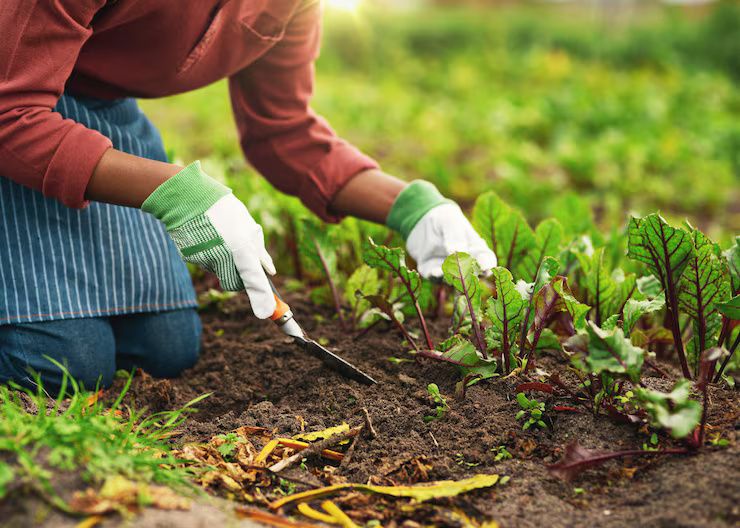
As interest in sustainable agriculture continues to grow, organic farming has become an important subject for farmers, gardeners, agricultural students, food producers, and consumers who want to understand how food can be cultivated while considering long-term environmental conditions.
This guide explains the principles of organic farming, common natural growing practices, soil management techniques, pest control methods, challenges, and the role of organic agriculture in the future of sustainable food production.
What Is Organic Farming?
Organic farming is a method of agriculture that manages crops and livestock through ecological processes and carefully selected natural inputs. Its primary focus is maintaining productive agricultural systems while protecting soil health, water resources, and surrounding ecosystems.
Organic agriculture can be practiced on small gardens, family farms, commercial fields, orchards, and mixed farming operations. The exact practices vary according to climate, soil type, crops, available resources, and applicable agricultural standards.
Rather than treating soil simply as a growing medium, organic farming considers it a living system containing microorganisms, organic matter, minerals, air, and water. Maintaining this biological environment is central to long-term farm productivity.
Core Principles of Organic Agriculture
Several principles form the foundation of successful organic farming.
Soil Health
Healthy soil provides plants with nutrients, supports beneficial organisms, improves water retention, and contributes to strong root development.
Organic farmers commonly improve soil through compost, manure where appropriate, crop residues, cover crops, and other organic matter management practices.
Biodiversity
Growing different crops and maintaining diverse habitats can support beneficial insects, microorganisms, birds, and other organisms that contribute to a balanced agricultural ecosystem.
Natural Resource Conservation
Organic farming places emphasis on responsible management of soil and water. Practices that reduce erosion, conserve moisture, and protect surrounding ecosystems can contribute to long-term agricultural sustainability.
Ecological Pest Management
Rather than depending primarily on synthetic pest-control methods, organic systems emphasize prevention, monitoring, crop diversity, biological controls, and other integrated approaches.
Building Healthy Soil Naturally
Soil fertility is one of the most important elements of organic farming.
Healthy soil contains organic matter and a diverse community of microorganisms that help break down nutrients and make them available to plants.
Several practices can improve soil quality.
Composting
Compost is decomposed organic material produced from plant residues, leaves, food scraps, and other suitable materials. Properly managed compost can add organic matter and improve soil structure.
Crop Residues
Leaving appropriate plant residues in fields can return organic material to the soil while helping protect the surface from erosion.
Cover Crops
Cover crops are planted primarily to protect and improve soil rather than for direct harvest. They can help reduce erosion, suppress unwanted vegetation, and contribute organic matter.
Crop Rotation
Rotating crops across growing seasons helps diversify nutrient demands and can interrupt cycles associated with certain pests and diseases.
Natural Growing Practices
Organic farming uses a combination of agricultural techniques rather than relying on one method.
Common natural growing practices include:
- Crop rotation
- Compost application
- Mulching
- Cover cropping
- Intercropping
- Companion planting
- Biological pest management
- Natural weed suppression
- Water conservation
- Soil monitoring
The effectiveness of each technique depends on local conditions. A method that works well in one climate or soil type may require modification elsewhere.
Managing Water Responsibly
Water management is essential for both conventional and organic agriculture.
Efficient irrigation helps provide crops with adequate moisture while reducing unnecessary water use. Techniques such as drip irrigation, mulching, rainwater management, and soil moisture monitoring can improve water efficiency.
Healthy soil also contributes to water management. Organic matter can improve the soil's ability to retain moisture, which may reduce the frequency of irrigation under suitable conditions.
Farmers also need to consider drainage. Excess water can reduce root oxygen and create conditions favorable to certain plant diseases.
Natural Pest and Disease Management
Pest management in organic agriculture begins with prevention.
Healthy plants, diverse cropping systems, appropriate spacing, and good field sanitation can reduce conditions that encourage pest and disease development.
Farmers may monitor fields regularly to identify problems before they become widespread. Beneficial insects can also play an important role by naturally reducing populations of certain agricultural pests.
Other approaches can include:
- Crop rotation
- Physical barriers
- Trap crops
- Biological controls
- Mechanical weed management
- Habitat management
- Carefully selected permitted inputs
The objective is to maintain pest populations at manageable levels while minimizing unnecessary disruption to the surrounding ecosystem.
Weed Management in Organic Farming
Weeds compete with crops for sunlight, water, nutrients, and growing space.
Because organic systems generally place greater emphasis on non-chemical management approaches, weed prevention and early intervention are particularly important.
Farmers may use mulching, mechanical cultivation, crop rotation, cover crops, hand management, and strategic planting arrangements.
Timing is important. Managing unwanted plants during early growth stages can prevent them from becoming established and producing large quantities of seeds.
Organic Farming Compared With Conventional Agriculture
Organic and conventional agriculture can use some of the same fundamental farming principles, but their approaches to inputs, soil management, pest control, and production systems may differ.
| Area | Organic Farming | Conventional Agriculture |
|---|---|---|
| Soil Management | Strong emphasis on organic matter and biological activity | May combine organic matter with synthetic nutrient inputs |
| Pest Management | Prevention and biological approaches emphasized | May rely more heavily on synthetic control products |
| Crop Diversity | Rotation and biodiversity commonly emphasized | Practices vary by farm and production system |
| Weed Management | Mechanical and cultural methods commonly used | May combine mechanical and chemical approaches |
| Fertility Management | Compost, manure, rotations, and permitted inputs | May use synthetic fertilizers alongside other methods |
Neither agricultural system is identical across every farm. Actual practices depend on local regulations, climate, crop requirements, farm resources, and management decisions.
Benefits and Limitations of Organic Farming
Organic agriculture can provide several environmental and agricultural advantages when practices are carefully managed.
Potential benefits include improved soil organic matter, greater biological diversity, reduced dependence on certain synthetic agricultural inputs, and stronger emphasis on ecological resource management.
However, organic farming also presents challenges.
Crop yields can vary depending on soil quality, weather, pest pressure, crop type, and management skill. Weed control may require significant labor and careful timing. Farmers may also need detailed knowledge of soil fertility, crop rotation, biological pest management, and approved agricultural practices.
Therefore, successful organic farming requires planning rather than simply replacing one type of agricultural input with another.
Sustainable Agriculture and Organic Farming
Organic farming and sustainable agriculture overlap in many areas, but they are not identical concepts.
Sustainable agriculture is a broader approach focused on balancing environmental stewardship, agricultural productivity, resource conservation, and long-term farm viability.
Organic farming is a defined production approach with particular standards and restrictions depending on the applicable certification framework.
Practices such as crop rotation, soil conservation, water management, biodiversity protection, and integrated pest management can contribute to sustainability across different agricultural systems.
Technology in Modern Organic Agriculture
Natural growing practices do not necessarily mean avoiding technology.
Modern organic farms can use technology to improve decision-making and resource management.
Examples include:
- Soil moisture sensors
- Weather monitoring systems
- Satellite-based field mapping
- Automated irrigation controls
- Farm management software
- Precision planting equipment
- Digital crop monitoring
These technologies can help farmers understand field conditions and apply resources more precisely while maintaining organic production principles.
Future of Organic Farming
The future of organic farming is likely to involve greater integration between traditional ecological knowledge and modern agricultural technology.
Research into soil microorganisms, regenerative practices, biological pest management, drought-resistant crops, efficient irrigation, and precision agriculture may provide additional tools for sustainable food production.
Climate variability is also increasing the importance of soil conservation, water efficiency, crop diversity, and resilient farming systems.
The most effective future approaches are likely to focus on adapting agricultural practices to local environmental conditions rather than applying one universal farming model.
Frequently Asked Questions
What is the main goal of organic farming?
The main goal is to produce agricultural crops and livestock while emphasizing soil health, ecological processes, biodiversity, and responsible management of natural resources.
How does organic farming improve soil health?
Practices such as composting, crop rotation, cover cropping, mulching, and organic matter management can improve soil structure, biological activity, and nutrient cycling.
How are pests managed in organic agriculture?
Organic farming emphasizes prevention, crop diversity, monitoring, biological controls, physical methods, and other permitted approaches to maintain manageable pest populations.
Is organic farming the same as sustainable agriculture?
No. Organic farming is a specific agricultural production approach, while sustainable agriculture is a broader concept encompassing environmental, social, and long-term resource considerations.
Can technology be used in organic farming?
Yes. Soil sensors, weather monitoring, precision irrigation, field mapping, and digital farm management tools can support organic farming while helping farmers make informed resource-management decisions.
Conclusion
Organic farming is built around the idea that productive agriculture depends on healthy soil, balanced ecosystems, responsible resource use, and careful management of natural processes. Practices such as crop rotation, composting, cover cropping, mulching, biodiversity management, and biological pest control form an interconnected system rather than isolated techniques.
As agriculture responds to changing environmental conditions and increasing resource pressures, organic farming offers valuable lessons about soil conservation, biodiversity, and natural growing practices. Its future will likely depend on combining ecological principles with practical farm management and appropriate technology, creating agricultural systems that can remain productive while protecting the resources needed for future generations.