
Panchakarma therapies are a group of traditional practices within Ayurveda, a system of health and wellness that originated in India thousands of years ago. The term “Panchakarma” comes from Sanskrit, where “pancha” means five and “karma” refers to actions or procedures.
In Ayurveda, health is understood as a balance between three energies, often called doshas: Vata, Pitta, and Kapha. When these energies become imbalanced due to diet, lifestyle, or environmental factors, it may affect physical and mental well-being. Panchakarma therapies are designed as an Ayurvedic detox process to help restore this balance by removing accumulated impurities from the body.
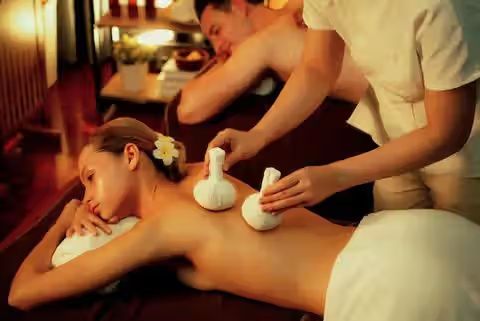
The Panchakarma process is typically structured in stages. It includes preparation, main procedures, and follow-up care. Each stage plays a role in supporting the body’s natural processes and improving overall function. These therapies are often carried out under the guidance of trained practitioners in controlled settings.
Importance
Panchakarma therapies remain relevant today as many people seek holistic approaches to health that consider both physical and mental aspects. The Ayurvedic detox approach focuses not only on removing toxins but also on improving digestion, circulation, and energy balance.
Modern lifestyles often involve irregular eating habits, stress, and limited physical activity. These factors can contribute to fatigue, digestive issues, and general discomfort. Panchakarma therapies aim to address these concerns by supporting the body’s natural ability to maintain balance.
The importance of Panchakarma can be seen in several areas:
- Physical well-being: supports digestion and metabolic function
- Mental clarity: encourages relaxation and stress reduction
- Preventive care: helps maintain balance before issues develop
- Lifestyle awareness: promotes mindful habits and routines
- Holistic perspective: connects body, mind, and environment
While Panchakarma is rooted in traditional knowledge, it continues to be practiced in modern wellness settings with adaptations to suit contemporary needs.
Key Panchakarma Therapies
Panchakarma therapies consist of five main procedures, each designed to target specific imbalances in the body. These therapies are usually selected based on individual needs and health conditions.
Vamana (Therapeutic Emesis)
Vamana involves controlled elimination through the upper digestive tract. It is traditionally used to address imbalances associated with Kapha. This therapy is conducted under supervision and includes preparation steps such as dietary adjustments.
Virechana (Purgation Therapy)
Virechana focuses on cleansing the lower digestive system through controlled purgation. It is often associated with balancing Pitta-related conditions. The process includes preparation and recovery phases to support the body.
Basti (Medicated Enema)
Basti is considered one of the central Panchakarma therapies. It involves administering herbal formulations through the rectum to support colon health and balance Vata. This therapy is widely used in Ayurvedic practice.
Nasya (Nasal Therapy)
Nasya involves the administration of herbal oils or powders through the nasal passages. It is believed to support respiratory health and improve clarity of the head and senses.
Raktamokshana (Bloodletting)
Raktamokshana is a traditional method used to remove small amounts of blood in specific cases. It is less commonly practiced today and is typically performed only under strict supervision where permitted.
Overview of Panchakarma Therapies
| Therapy Name | Primary Focus | Method Used | Common Purpose |
|---|---|---|---|
| Vamana | Kapha balance | Controlled emesis | Respiratory and digestive support |
| Virechana | Pitta balance | Purgation | Liver and digestive cleansing |
| Basti | Vata balance | Medicated enema | Colon and nervous system support |
| Nasya | Head and sinus care | Nasal administration | Respiratory and sensory support |
| Raktamokshana | Blood purification | Controlled blood removal | Specific traditional uses |
Technology and Process in Modern Practice
Although Panchakarma therapies are traditional, modern practice often includes structured protocols and improved hygiene standards. Facilities may use temperature-controlled environments, sterilized equipment, and monitored procedures to ensure consistency.
The process generally includes three stages. The first stage, known as preparation, may involve oil application and mild sweating techniques to prepare the body. The second stage includes the main Panchakarma therapies, selected based on individual assessment. The final stage focuses on recovery, including dietary guidelines and gradual return to routine activities.
Digital tools are sometimes used to track progress, document observations, and maintain records. This combination of traditional knowledge and modern methods helps maintain clarity and organization in the process.
Applications in Health and Wellness
Panchakarma therapies are used in various health and wellness contexts. They are often part of broader Ayurvedic programs that include diet, lifestyle adjustments, and herbal support.
In wellness centers, Panchakarma is used to support relaxation and overall balance. In clinical settings, it may be applied as part of complementary approaches under professional supervision.
Common areas where Panchakarma therapies are applied include:
- Digestive health: supporting metabolism and nutrient absorption
- Stress management: encouraging relaxation and mental calmness
- Skin health: addressing imbalances linked to internal factors
- Joint and muscle comfort: supporting mobility and flexibility
- Respiratory care: maintaining clear airways and sinus health
It is important to note that outcomes can vary depending on individual conditions and overall lifestyle.
Recent Updates
From 2024 to 2026, Panchakarma therapies have seen increased integration with wellness tourism and preventive health programs. Many centers now combine traditional Ayurvedic detox practices with structured schedules and standardized procedures.
There is also growing interest in research and documentation. Institutions are working to study the effects of Panchakarma therapies using modern scientific methods. This includes observing physiological changes and documenting outcomes in a systematic way.
Digital platforms have made it easier to access educational content about Ayurveda and Panchakarma. Online consultations, training modules, and informational resources are becoming more widely available.
Another trend is the focus on sustainability, with greater attention to natural ingredients, responsible sourcing, and environmentally conscious practices.
Laws or Policies
In India, Panchakarma therapies are regulated under the broader framework of Ayurveda, which is overseen by the Ministry of AYUSH. This ministry sets guidelines for education, practice, and quality standards in traditional systems of medicine.
Practitioners are generally required to have recognized qualifications in Ayurveda. Institutions offering Panchakarma therapies may need to follow specific guidelines related to hygiene, safety, and documentation.
Regulations may also address the preparation and use of herbal formulations, ensuring that they meet established standards. In addition, certain procedures, such as Raktamokshana, may be subject to stricter oversight due to their nature.
These policies aim to maintain consistency, safety, and credibility in the practice of Ayurvedic therapies.
Tools and Resources
A range of tools and resources support the understanding and practice of Panchakarma therapies. These resources help practitioners and learners maintain structured approaches.
Common tools and resources include:
- Ayurvedic assessment charts: used to evaluate dosha balance
- Digital health records: track therapy progress and observations
- Educational platforms: provide structured learning on Ayurveda
- Reference texts: classical Ayurvedic literature and modern interpretations
- Scheduling tools: organize therapy sessions and recovery periods
These resources contribute to better organization and understanding of the Panchakarma process.
FAQs
What are Panchakarma therapies in Ayurveda?
Panchakarma therapies are five traditional procedures used in Ayurveda for cleansing the body and restoring balance among the doshas. They form an important part of the Ayurvedic detox process.
How does Ayurvedic detox through Panchakarma work?
Ayurvedic detox through Panchakarma involves preparation, cleansing procedures, and recovery. The process aims to remove accumulated impurities and support natural balance in the body.
Are Panchakarma therapies safe for everyone?
Panchakarma therapies are generally carried out under professional supervision. Suitability depends on individual health conditions, and proper assessment is important before undergoing the process.
What is included in the Panchakarma process?
The Panchakarma process includes preparation methods, the main cleansing therapies such as Vamana, Virechana, and Basti, and post-therapy care involving diet and lifestyle adjustments.
How long does Panchakarma therapy take?
The duration of Panchakarma therapy can vary. It may range from a few days to several weeks, depending on the individual’s needs and the type of therapies involved.
Conclusion
Panchakarma therapies represent a traditional Ayurvedic detox approach focused on restoring balance and supporting overall well-being. These therapies combine structured procedures with holistic principles that consider both physical and mental aspects of health. While rooted in ancient practices, Panchakarma continues to adapt through modern methods and regulatory frameworks. Its role remains connected to maintaining balance and promoting awareness of healthy living.