
Modern medicine continues to evolve with treatments that focus on supporting the body's natural healing processes. One of the most widely discussed developments in regenerative medicine is plasma therapy. Rather than simply managing symptoms, plasma-based treatments aim to encourage tissue repair and recovery by utilizing components naturally found in a person's blood.
Over the past decade, plasma therapy has gained attention across several medical specialties, including orthopedics, sports medicine, dermatology, cosmetic medicine, dentistry, and wound care. Researchers continue to study its potential in supporting recovery for a variety of conditions while healthcare professionals evaluate its role alongside conventional medical treatments.
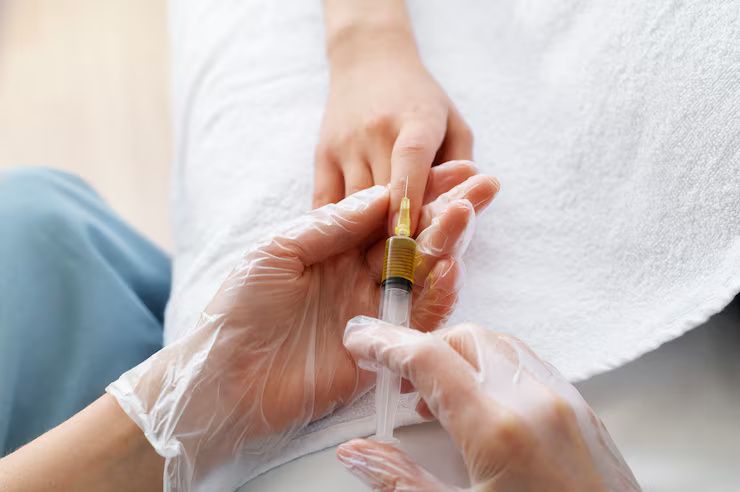
This guide explains how plasma therapy works, the science behind regenerative medicine, common treatment techniques, and the clinical applications where it is being explored.
What Is Plasma Therapy?
Plasma therapy is a regenerative medical technique that uses plasma obtained from a person's own blood. Plasma is the liquid portion of blood that contains proteins, growth factors, platelets, and other biological components involved in the body's natural healing process.
After a blood sample is collected, specialized laboratory equipment separates the plasma from other blood components. The concentrated plasma is then prepared for clinical use according to the treatment plan.
Because the treatment uses the patient's own blood, plasma therapy has become an important area of interest in regenerative medicine and tissue repair research.
Understanding Regenerative Medicine
Regenerative medicine focuses on supporting the body's ability to repair damaged tissues and restore normal function. Instead of replacing damaged structures through surgery alone, regenerative approaches encourage natural biological healing mechanisms.
This field combines advances in biology, biotechnology, and clinical medicine to develop treatments that may assist tissue regeneration and recovery.
Several medical specialties continue to investigate regenerative techniques for both acute injuries and long-term musculoskeletal conditions.
How Plasma Therapy Works
The treatment process follows several carefully controlled steps to prepare the plasma before it is used.
Blood Collection
The procedure begins with collecting a small blood sample from the patient, similar to a routine blood test.
The amount collected depends on the specific treatment protocol and clinical objective.
Plasma Separation
The blood sample is processed using a centrifuge, which separates plasma from red blood cells and other blood components.
This process creates a concentrated plasma preparation containing platelets and naturally occurring growth factors.
Treatment Preparation
Once separated, the plasma is prepared under controlled conditions before administration.
The preparation technique may vary depending on the treatment area and the healthcare professional's clinical approach.
Treatment Delivery
The prepared plasma is applied or administered to the targeted area using techniques appropriate for the specific medical condition.
Healthcare professionals determine the most suitable approach based on individual patient needs and treatment objectives.
Components Found in Plasma
Plasma contains several naturally occurring biological substances that support normal healing processes.
Important components include:
- Platelets
- Growth factors
- Plasma proteins
- Clotting factors
These biological components play important roles in tissue repair and normal physiological healing.
Treatment Techniques Used in Plasma Therapy
Different medical conditions require different treatment techniques. Healthcare professionals select methods based on the location and purpose of the treatment.
Orthopedic Applications
Orthopedic specialists may explore plasma therapy when managing certain joint, tendon, ligament, or muscle conditions.
These treatments are commonly studied in sports medicine because athletes often seek therapies that support recovery following musculoskeletal injuries.
Dermatology and Hair Restoration
Dermatologists have also explored plasma therapy in cosmetic and aesthetic medicine.
Areas of interest include:
- Hair restoration
- Scalp health
- Skin rejuvenation
- Acne scar improvement
These applications continue to be evaluated as research expands within regenerative dermatology.
Dental and Oral Procedures
Plasma therapy is increasingly being studied in dental care.
It may be incorporated into selected procedures involving oral surgery, implant dentistry, and tissue healing where improved recovery is a treatment objective.
Clinical Applications of Plasma Therapy
As research progresses, plasma therapy is being investigated across multiple areas of healthcare.
Sports Medicine
Sports medicine is one of the most recognized areas of regenerative medicine.
Healthcare professionals may evaluate plasma therapy when managing tendon injuries, muscle strains, ligament conditions, and other sports-related concerns.
The objective is to support tissue recovery alongside rehabilitation programs.
Orthopedic Medicine
Joint health remains another important area of investigation.
Researchers continue studying plasma therapy for conditions involving knees, shoulders, elbows, hips, and other joints where tissue healing plays an important role.
Cosmetic and Aesthetic Medicine
In aesthetic medicine, plasma therapy has attracted attention for procedures focused on improving skin appearance and supporting hair health.
These treatments are generally combined with comprehensive skincare or hair care plans rather than being viewed as standalone solutions.
Wound Care
Some healthcare professionals also study plasma therapy in wound management.
Because plasma contains naturally occurring growth factors, researchers continue exploring its potential role in supporting normal healing processes under appropriate clinical supervision.
Benefits of Plasma Therapy
Plasma therapy has gained attention because it focuses on supporting the body's own biological healing mechanisms.
Some potential advantages include:
- Uses the patient's own blood components
- Supports natural tissue repair processes
- Minimally invasive treatment approach
- Widely studied across multiple medical specialties
The suitability of plasma therapy varies depending on individual health conditions and treatment goals.
Who May Benefit From Plasma Therapy?
Healthcare professionals evaluate plasma therapy based on each patient's medical history, overall health, and clinical needs.
It may be considered in individuals experiencing certain musculoskeletal conditions, sports injuries, hair thinning, or selected dermatological concerns.
However, treatment decisions should always be based on professional medical evaluation rather than general information alone.
Preparing for Plasma Therapy
Preparation usually begins with a medical consultation and clinical assessment.
Healthcare professionals may review:
- Medical history
- Current medications
- Overall health status
- Treatment expectations
Following pre-treatment instructions helps ensure the procedure is performed under appropriate clinical conditions.
Recovery and Aftercare
Recovery experiences vary depending on the treatment area and individual circumstances.
Many patients are encouraged to follow post-treatment guidance provided by their healthcare professional.
This may include temporary activity adjustments, follow-up appointments, and monitoring the treated area during the recovery period.
Following recommended aftercare instructions supports appropriate healing and helps healthcare professionals evaluate treatment progress.
Current Research and Future Developments
Research in regenerative medicine continues to expand rapidly.
Scientists are investigating advanced platelet preparations, improved processing techniques, stem cell research, tissue engineering, and personalized regenerative therapies.
Artificial intelligence and biotechnology are also contributing to more precise treatment planning and patient evaluation.
As clinical research continues, healthcare professionals expect regenerative medicine to become increasingly personalized and evidence-based.
Conclusion
Plasma therapy represents an important area of regenerative medicine focused on supporting the body's natural healing mechanisms. Through carefully prepared plasma containing platelets and growth factors, healthcare professionals continue exploring its potential across orthopedics, sports medicine, dermatology, dentistry, and wound care.
Although research continues to evolve, plasma therapy has become an important topic in modern healthcare because of its regenerative approach and growing range of clinical applications. Understanding how the treatment works, its potential uses, and the importance of professional medical evaluation allows patients to make informed healthcare decisions while exploring regenerative treatment options.
Disclaimer: The information provided in this article is for informational purposes only. We do not make any claims or guarantees regarding the accuracy, reliability, or completeness of the information presented. The content is not intended as professional advice and should not be relied upon as such. Readers are encouraged to conduct their own research and consult with appropriate professionals before making any decisions based on the information provided in this article.