
Plastic products are a part of everyday life. From automotive components and medical devices to packaging containers and household items, countless products are manufactured using advanced plastic molding technologies. At the heart of this production process are plastic molding machines, which transform raw plastic materials into precise and durable products.
As manufacturing industries continue to evolve, plastic molding machines have become more efficient, accurate, and versatile. Modern production facilities rely on these machines to achieve high-volume output while maintaining consistent quality standards.
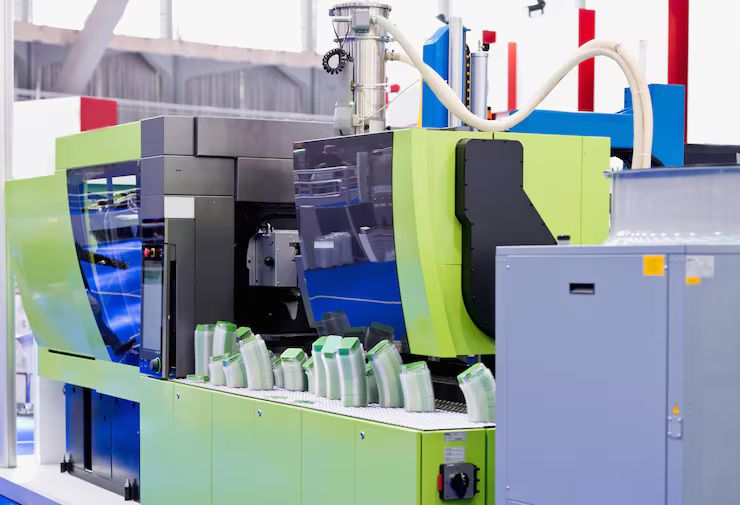
This guide explores how plastic molding machines work, the technologies behind them, and their applications across various industries.
What Are Plastic Molding Machines?
Plastic molding machines are industrial systems designed to shape molten plastic into specific forms using molds. The process involves heating plastic materials until they become flexible and then forcing them into a mold cavity where they cool and solidify.
These machines are widely used because they enable manufacturers to produce large quantities of identical components with remarkable precision.
A typical molding system consists of several key elements:
- Material feeding unit
- Heating system
- Mold assembly
- Injection or forming mechanism
- Cooling and ejection system
Together, these components create a streamlined manufacturing process capable of producing complex plastic parts efficiently.
Why Plastic Molding Technology Is Important
Modern industries depend heavily on plastic components due to their durability, lightweight properties, and design flexibility. Plastic molding technology allows manufacturers to create products that would be difficult or impractical to produce through traditional fabrication methods.
The technology supports:
- High-volume production
- Consistent product quality
- Complex geometric designs
- Material efficiency
As a result, plastic molding has become one of the most widely used manufacturing processes worldwide.
Types of Plastic Molding Machines
Different manufacturing requirements call for different molding technologies. Each machine type is designed to handle specific materials, product designs, and production volumes.
1. Injection Molding Machines
Injection molding is the most common plastic manufacturing process. The machine injects molten plastic into a closed mold under high pressure.
After cooling, the finished component is ejected and the cycle begins again.
Injection molding is commonly used for:
- Automotive components
- Electronic housings
- Medical equipment parts
- Consumer products
Its ability to produce highly detailed components makes it one of the most versatile manufacturing technologies.
2. Blow Molding Machines
Blow molding is primarily used to create hollow plastic products.
In this process, heated plastic is inflated inside a mold until it takes the desired shape. Once cooled, the product retains its form.
Common examples include plastic bottles, containers, and storage tanks.
3. Compression Molding Machines
Compression molding uses heat and pressure to shape plastic materials inside a mold cavity.
The material is placed directly into the mold before pressure is applied. This method is frequently used for larger components and specialized industrial products.
4. Rotational Molding Machines
Rotational molding creates hollow products by rotating a mold while heating plastic material inside it.
This process is often used for:
- Water tanks
- Industrial containers
- Playground equipment
- Outdoor storage units
The method provides excellent durability and uniform wall thickness.
How Plastic Molding Machines Work
Although different machine types use unique processes, most follow a similar production sequence.
Material Preparation
The process begins with plastic raw materials, typically in pellet or granule form. These materials are selected based on the desired characteristics of the final product.
Different applications may require materials with specific properties such as flexibility, strength, or heat resistance.
Heating and Melting
The material enters a heated chamber where it is melted into a workable state.
Precise temperature control is essential during this stage because overheating can affect product quality while insufficient heating may result in incomplete molding.
Mold Filling
Once the material reaches the proper consistency, it is transferred into the mold cavity.
The mold determines the shape, dimensions, and surface characteristics of the final product. Advanced molds can create highly detailed and intricate designs.
Cooling and Solidification
After filling the mold, the plastic begins to cool and harden.
This stage is critical because it directly influences product strength, dimensional accuracy, and overall quality.
Product Ejection
Once cooling is complete, the finished component is removed from the mold.
The machine then prepares for the next production cycle, allowing continuous manufacturing with minimal interruption.
Materials Used in Plastic Molding
The performance of molded products depends heavily on the materials used during production.
Thermoplastics
Thermoplastics are among the most commonly processed materials in molding operations. They can be heated, shaped, and reheated multiple times.
Popular examples include polyethylene, polypropylene, and ABS plastics.
Engineering Plastics
Engineering-grade plastics provide enhanced mechanical and thermal properties.
These materials are often used in demanding industries where components must withstand challenging operating conditions.
Specialty Polymers
Certain applications require advanced materials designed for specific performance requirements.
Examples include plastics used in aerospace, healthcare, and electronic manufacturing environments.
The choice of material depends on factors such as strength requirements, environmental conditions, and product functionality.
Advanced Manufacturing Technologies
Modern plastic molding machines incorporate sophisticated technologies that improve productivity and precision.
Computer-Controlled Systems
Digital control systems allow operators to manage production parameters with exceptional accuracy.
These systems monitor variables such as:
- Temperature
- Pressure
- Cycle time
- Material flow
This level of control helps maintain consistent quality throughout production.
Automation and Robotics
Many manufacturing facilities now integrate robotic systems into molding operations.
Automation helps improve efficiency by handling repetitive tasks such as product removal, inspection, and packaging.
As a result, production becomes faster while reducing the possibility of human error.
Smart Manufacturing Integration
Industry 4.0 technologies are transforming plastic molding operations.
Smart systems collect real-time production data, allowing manufacturers to identify inefficiencies, predict maintenance requirements, and optimize machine performance.
Industrial Applications of Plastic Molding Machines
Plastic molding technology serves a wide range of industries, making it one of the most important manufacturing methods in modern production.
Automotive Industry
Vehicle manufacturers use molded plastic components extensively to reduce weight while maintaining strength and durability.
Examples include dashboards, bumpers, interior panels, and engine-related components.
Medical Manufacturing
Healthcare equipment often relies on precisely molded plastic parts.
These products may include:
- Diagnostic device components
- Laboratory equipment
- Surgical instrument handles
- Medical packaging
Precision and consistency are especially important in healthcare applications.
Consumer Goods Production
Many everyday products are manufactured using plastic molding technology.
Items such as kitchen accessories, electronic casings, storage containers, and personal care products are commonly produced through molding processes.
Packaging Industry
Plastic molding plays a major role in packaging production.
Containers, caps, closures, and protective packaging solutions are frequently manufactured using high-speed molding systems.
Benefits of Plastic Molding Machines
The widespread use of plastic molding machines is driven by several significant advantages.
Manufacturers benefit from:
- High production efficiency
- Consistent product quality
- Design flexibility
- Scalability for large production runs
These advantages make molding technology suitable for both small components and large industrial products.
Challenges in Plastic Molding Operations
Despite its many advantages, plastic molding presents several operational challenges.
Manufacturers must carefully manage machine settings, material behavior, and mold design to maintain quality standards.
Common concerns include material shrinkage, dimensional variations, and production defects. Advanced monitoring systems help address these issues by providing better process control.
As technology continues to improve, many of these challenges are becoming easier to manage.
Future Trends in Plastic Molding Technology
The future of plastic molding is being shaped by innovation, automation, and sustainability.
Manufacturers are investing in energy-efficient equipment, advanced automation systems, and smart production technologies that improve operational performance.
Emerging developments include artificial intelligence-driven process optimization, predictive maintenance systems, and greater use of recycled and sustainable materials.
These advancements are expected to enhance productivity while supporting environmentally responsible manufacturing practices.
Conclusion
Plastic molding machines are essential to modern manufacturing, enabling the production of countless products used across industries worldwide. Through advanced technologies, precise control systems, and versatile production methods, these machines help manufacturers create high-quality components efficiently and consistently.
As automation, digital integration, and material innovations continue to evolve, plastic molding technology will remain a key driver of industrial growth. Understanding how these machines operate provides valuable insight into one of the most important manufacturing processes in today's global economy.