Water is one of the most essential resources for industrial operations, manufacturing facilities, commercial infrastructure, and public utilities. As industries continue to expand, the need for effective water management and wastewater treatment has become increasingly important. Proper treatment ensures that water can be reused efficiently while reducing environmental impact and supporting sustainable operations.
Water Treatment Plants (WTPs) and Effluent Treatment Plants (ETPs) play a critical role in achieving these goals. These facilities use advanced treatment technologies and engineering systems to improve water quality, remove contaminants, and support responsible water management practices.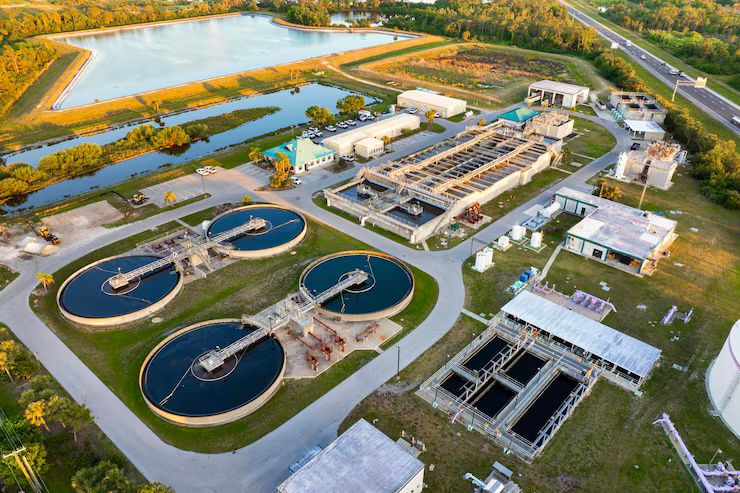
This guide explores how water treatment and ETP plants work, the technologies involved, and the industries that depend on these systems.
What Are Water Treatment and ETP Plants?
Water Treatment Plants are facilities designed to improve the quality of water for industrial, commercial, or utility applications. They remove impurities, suspended particles, and unwanted substances to make water suitable for its intended use.
Effluent Treatment Plants, commonly known as ETPs, focus on treating industrial wastewater before it is discharged or reused. Their primary objective is to remove pollutants and reduce the environmental impact of industrial operations.
Together, these systems help organizations manage water resources more effectively while supporting environmental compliance and operational efficiency.
Why Water Treatment Is Important
Industries use significant volumes of water in production processes, cooling systems, cleaning operations, and various manufacturing activities. Without proper treatment, wastewater can contain contaminants that affect both operational performance and environmental sustainability.
Effective water treatment helps organizations:
- Improve water quality
- Support water conservation initiatives
- Reduce wastewater impact
- Enhance operational efficiency
As environmental awareness continues to grow, water treatment systems have become a key component of sustainable industrial development.
Understanding Water Treatment Processes
Water treatment involves multiple stages that work together to improve water quality and remove unwanted substances.
Preliminary Treatment
The first stage focuses on removing larger particles and debris from incoming water streams.
Screens, filters, and sedimentation systems are commonly used during this process. Removing larger contaminants early helps protect downstream treatment equipment and improves overall system efficiency.
Primary Treatment
Primary treatment targets suspended solids and other visible contaminants.
During this stage, settling tanks and clarification systems allow heavier particles to separate from the water. This process significantly improves water quality before advanced treatment begins.
Secondary Treatment
Secondary treatment focuses on removing dissolved and organic contaminants.
Biological treatment systems are often used to break down organic matter naturally. This stage helps improve water quality further and prepares it for additional purification processes if required.
Advanced Treatment
Advanced treatment technologies are used when higher water quality standards are needed.
These systems may include specialized filtration, membrane technologies, and purification processes designed to remove fine contaminants and improve water recovery.
Key Technologies Used in Water Treatment Plants
Modern water treatment facilities rely on a combination of technologies to achieve effective purification and wastewater management.
Filtration Systems
Filtration is one of the most widely used treatment methods.
Various filtration technologies remove suspended particles and improve water clarity. Different filter types are selected based on water quality requirements and treatment objectives.
Reverse Osmosis Technology
Reverse osmosis is a highly effective purification process that uses specialized membranes to separate contaminants from water.
This technology is widely used in industrial water treatment due to its ability to produce high-quality treated water.
Activated Carbon Treatment
Activated carbon systems help remove impurities that may affect water quality.
These systems are commonly used to improve treatment efficiency and support advanced purification processes.
Membrane-Based Technologies
Modern treatment facilities increasingly use membrane technologies to achieve higher purification standards.
These systems provide efficient separation of contaminants and support water recovery initiatives across various industries.
Engineering Systems in ETP Plants
Engineering design plays a crucial role in the performance of effluent treatment facilities. Properly designed systems ensure efficient operation and reliable treatment outcomes.
Collection and Transfer Systems
Wastewater generated during industrial operations must be collected and transported to treatment facilities efficiently.
Well-designed piping and transfer systems help maintain consistent flow throughout the treatment process.
Treatment Reactors
Treatment reactors provide controlled environments where physical, chemical, or biological processes can occur.
These systems are carefully engineered to optimize treatment performance and improve contaminant removal efficiency.
Monitoring and Control Systems
Modern ETP plants rely on automated monitoring systems to track operational performance.
These systems monitor factors such as:
- Flow rates
- Water quality parameters
- Treatment efficiency
- Equipment performance
Real-time monitoring helps operators maintain stable and efficient operations.
Sludge Management Systems
Wastewater treatment often generates residual solids that require proper handling.
Sludge management systems help process and manage these materials efficiently while supporting overall plant performance.
Types of ETP Technologies
Different industries generate different types of wastewater, which means treatment requirements can vary significantly.
Physical Treatment Methods
Physical treatment focuses on removing suspended solids and visible contaminants.
Processes such as screening, sedimentation, and filtration are commonly used during this stage.
Chemical Treatment Technologies
Chemical treatment helps remove dissolved substances and improve water quality.
These methods are often used when wastewater contains contaminants that cannot be removed through physical processes alone.
Biological Treatment Systems
Biological treatment utilizes naturally occurring microorganisms to break down organic materials.
This approach is widely used because it can effectively reduce organic contamination while supporting sustainable treatment practices.
Industrial Applications of Water Treatment and ETP Plants
Water treatment systems are used across a wide range of industries where water quality and wastewater management are important operational requirements.
Manufacturing Industry
Manufacturing facilities use water in numerous production processes.
Treatment systems help maintain water quality while supporting efficient resource utilization and wastewater management.
Pharmaceutical Production
Pharmaceutical facilities require high-quality water for various production activities.
Advanced treatment technologies help meet strict quality requirements while supporting operational reliability.
Textile Processing
Textile manufacturing often generates wastewater containing dyes and process-related contaminants.
ETP systems help treat these wastewater streams before reuse or discharge.
Food and Beverage Industry
Food processing operations depend on reliable water quality for production and sanitation activities.
Treatment plants help maintain operational standards and support resource efficiency.
Power Generation Facilities
Power plants use substantial amounts of water for cooling and operational processes.
Water treatment systems help improve efficiency and support sustainable resource management.
Benefits of Modern Water Treatment Systems
Organizations that invest in advanced treatment facilities often experience several operational and environmental advantages.
Key benefits include:
- Improved water quality
- Enhanced resource efficiency
- Reduced environmental impact
- Greater operational reliability
These advantages make water treatment systems an essential component of modern industrial infrastructure.
Challenges in Water Treatment Operations
Managing industrial wastewater can be complex due to variations in water quality, treatment requirements, and operational conditions.
Facilities must address changing contaminant levels, equipment maintenance requirements, and evolving environmental standards.
Maintaining efficient treatment performance requires ongoing monitoring, optimization, and system upgrades when necessary.
Advancements in engineering and automation continue to help organizations overcome these challenges more effectively.
Future Trends in Water Treatment Technologies
The future of water treatment is being shaped by innovation, sustainability, and digital transformation.
Emerging technologies include intelligent monitoring systems, advanced membrane solutions, artificial intelligence-driven process optimization, and energy-efficient treatment equipment.
Smart water management platforms are also helping organizations improve operational visibility and treatment performance.
As industries focus increasingly on sustainability and water conservation, advanced treatment technologies will continue to play a vital role in responsible resource management.
Conclusion
Water Treatment Plants and Effluent Treatment Plants are essential components of modern industrial infrastructure. Through advanced treatment technologies, engineered systems, and efficient wastewater management processes, these facilities help organizations maintain water quality, improve resource utilization, and support environmental sustainability.
From manufacturing and pharmaceuticals to textiles and power generation, water treatment systems support a wide range of industrial applications. As technology continues to advance, these facilities will become even more efficient, helping industries achieve long-term sustainability goals while ensuring responsible water management practices.