Global trade relies heavily on maritime transportation, and seaports serve as critical hubs where goods move between ships, trucks, and rail networks. Port logistics systems refer to the coordinated technologies, infrastructure, and operational processes that manage the flow of cargo through ports. These systems help organize the movement of containers, bulk goods, vehicles, and other cargo types as they enter or leave maritime terminals.
Historically, cargo handling at ports involved manual labor and limited coordination between transport modes. Over time, the expansion of international trade and container shipping required more efficient systems. This led to the development of structured port logistics infrastructure, including container terminals, automated cargo handling equipment, and digital management platforms.
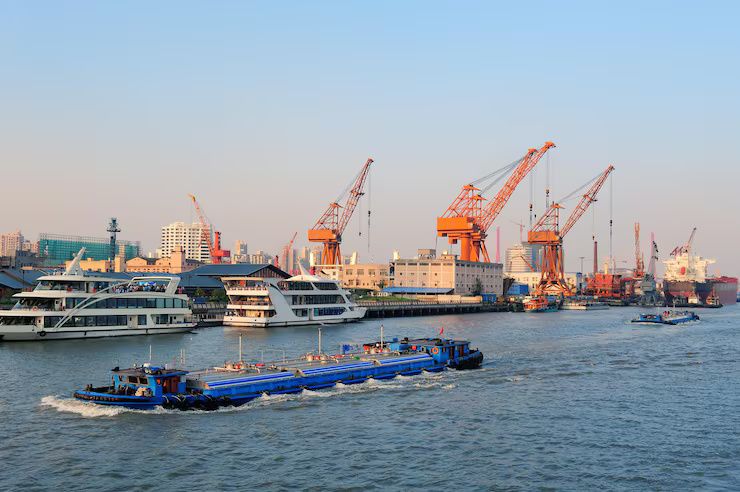
Modern port logistics systems integrate physical infrastructure with digital technologies. Ports now use specialized software platforms to monitor vessel arrivals, container storage, cargo handling operations, and transportation scheduling. These integrated systems help ensure that goods move efficiently through port facilities and into global supply chains.
Today, ports function as complex logistics centers rather than simple docking points. They connect maritime transportation with inland distribution networks, making port logistics systems essential for international commerce and supply chain management.
Importance
Port logistics systems are fundamental to the operation of global trade networks. A large portion of international goods moves by sea, and efficient port operations are necessary to handle the volume of cargo transported worldwide.
These systems influence several aspects of trade and transportation:
-
Cargo movement efficiency: Organized logistics systems help reduce delays during loading and unloading operations.
-
Supply chain connectivity: Ports act as links between maritime shipping routes and inland transportation networks such as railways and highways.
-
Trade facilitation: Efficient port operations support import and export activities for many industries.
-
Resource management: Digital logistics platforms help monitor storage space, equipment usage, and cargo flows.
Ports also play a role in regional economic development. Areas surrounding major seaports often develop logistics hubs, warehouses, and transportation infrastructure to support cargo distribution.
In addition, port logistics systems help coordinate the activities of multiple stakeholders, including shipping companies, terminal operators, customs authorities, and transportation providers.
Recent Updates
Advancements in logistics technology and infrastructure have significantly influenced modern port operations. Many ports are adopting digital systems and automation technologies to improve cargo handling and operational visibility.
Digital Port Management Systems
Many ports now use port community systems (PCS), digital platforms that connect stakeholders involved in port operations. These platforms allow shipping lines, customs authorities, freight forwarders, and terminal operators to exchange information electronically.
Digital systems help streamline documentation processes and improve communication between organizations involved in maritime logistics.
Automation and Smart Equipment
Automation technologies are increasingly used in container terminals. Automated cranes, guided vehicles, and remote-operated cargo handling equipment help move containers more efficiently across port facilities.
Automation can also improve operational safety by reducing the need for manual handling in high-traffic areas.
Data Integration and Analytics
Modern port logistics systems generate large amounts of operational data. Data analytics tools help port operators analyze vessel traffic patterns, cargo volumes, and equipment performance.
These insights support operational planning and help ports manage capacity during peak shipping periods.
Environmental Monitoring
Some ports are introducing monitoring systems that track emissions, energy consumption, and environmental conditions. These systems help port authorities evaluate the environmental impact of maritime operations and adopt sustainability practices.
Laws or Policies
Port operations are regulated through a combination of national maritime laws, international agreements, and safety standards. These frameworks help maintain safe navigation, secure cargo handling, and efficient trade operations.
International Maritime Regulations
International maritime organizations establish guidelines for ship safety, environmental protection, and cargo management. The International Maritime Organization (IMO) develops global conventions that influence shipping operations and port practices.
Customs and Trade Regulations
Customs authorities regulate the import and export of goods passing through seaports. Documentation procedures and cargo inspections ensure compliance with national trade laws.
Electronic documentation systems are increasingly used to streamline customs clearance processes.
Port Authority Governance
Most major ports operate under port authorities or government agencies responsible for managing infrastructure and overseeing port activities. These authorities coordinate vessel traffic, terminal operations, and infrastructure development.
Security Frameworks
Port security is guided by international frameworks designed to protect maritime infrastructure and cargo operations. The International Ship and Port Facility Security (ISPS) Code establishes security standards for ports and vessels engaged in international trade.
These regulatory structures help ensure that maritime logistics systems operate safely and consistently across international shipping networks.
Tools and Resources
Port logistics operations rely on specialized tools and digital platforms that support cargo management, vessel coordination, and infrastructure monitoring.
Common tools used in port logistics systems include:
-
Terminal Operating Systems (TOS): Software platforms that manage container handling operations within port terminals.
-
Port Community Systems (PCS): Digital platforms that enable information exchange among port stakeholders.
-
Vessel Traffic Management Systems: Monitoring systems that track ship movements and coordinate port entry and departure schedules.
-
Cargo tracking platforms: Digital systems used to monitor the location and status of containers during transportation.
-
Logistics analytics tools: Data platforms that analyze cargo volumes, operational performance, and shipping patterns.
Core Infrastructure Components in Port Logistics
Port logistics systems depend on several physical infrastructure components that support cargo movement and vessel operations.
| Infrastructure Component | Description | Role in Port Logistics |
|---|---|---|
| Container Terminal | Dedicated area for loading and unloading shipping containers | Container handling and storage |
| Cargo Handling Cranes | Large mechanical cranes used to move containers between ships and docks | Cargo transfer operations |
| Storage Yards | Open areas where containers are temporarily stored | Cargo staging and organization |
| Rail and Road Links | Transportation connections linking ports to inland regions | Cargo distribution |
| Warehousing Facilities | Buildings used for temporary storage and cargo consolidation | Inventory management |
These infrastructure elements work together to ensure that cargo moves efficiently between maritime vessels and inland transportation networks.
FAQs
What are port logistics systems?
Port logistics systems refer to the technologies, infrastructure, and operational processes used to manage cargo movement within seaports. These systems coordinate shipping operations, cargo handling, and transportation connections.
How do port logistics systems support maritime operations?
Port logistics systems organize vessel arrivals, container handling, cargo storage, and transportation scheduling. This coordination helps ensure that goods move efficiently between ships and inland distribution networks.
What technology is used in modern port logistics systems?
Modern systems use digital platforms such as terminal operating systems, port community systems, cargo tracking platforms, and vessel traffic monitoring systems to manage port activities.
What infrastructure is required for port logistics operations?
Port logistics infrastructure typically includes container terminals, cargo cranes, storage yards, rail and road connections, and warehousing facilities.
Why are port logistics systems important for global trade?
These systems help manage the movement of goods across international shipping networks. Efficient port logistics operations reduce delays, improve cargo handling efficiency, and support global supply chains.
Conclusion
Port logistics systems play a crucial role in global maritime transportation and supply chain management. By integrating infrastructure, technology, and operational processes, these systems coordinate the movement of cargo through busy seaports.
Advancements in automation, digital platforms, and data analytics continue to shape modern port operations. At the same time, international regulations and port authority governance frameworks guide safe and efficient maritime logistics activities.
Understanding port logistics systems provides insight into how global trade flows through interconnected transportation networks across the world.