
Radiofrequency (RF) skin tightening equipment is widely used in professional aesthetic medicine to address skin laxity, fine lines, and changes in skin texture. These systems use controlled electromagnetic energy to generate heat within selected layers of the skin and underlying tissue. The resulting thermal response may stimulate collagen remodelling and contribute to gradual changes in skin firmness.
The market includes several equipment categories, including monopolar, bipolar, multipolar, fractional RF, and RF microneedling systems. Each category uses a different electrode configuration or energy-delivery method. Equipment also varies in treatment depth, applicator design, cooling technology, energy controls, and intended treatment areas. These differences influence how a system is selected and used in a professional aesthetic setting.
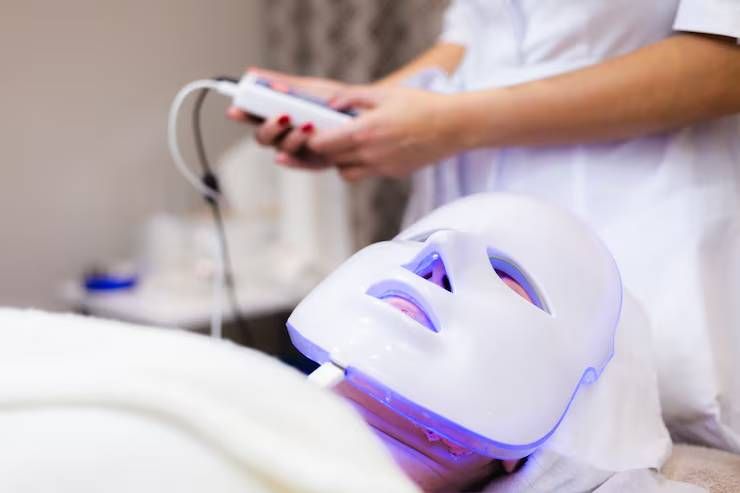
Understanding RF skin tightening equipment requires more than comparing device names or advertised features. Clinics and practitioners need to consider the technology, clinical evidence, safety controls, regulatory status, manufacturer information, maintenance requirements, and suitability for different skin conditions. This guide explains the main RF technologies, device types, equipment components, global supply market, and professional applications.
How RF Skin Tightening Equipment Works
Radiofrequency equipment generates electromagnetic energy that produces controlled heat when delivered into biological tissue. In aesthetic treatments, this thermal energy is used to create a controlled response in the dermis and, depending on the system, deeper tissue layers.
The heating process can cause existing collagen fibres to contract temporarily and stimulate a longer-term wound-healing response. Fibroblasts, the cells responsible for producing collagen and other structural components, may become more active during tissue remodelling. Over time, this process can contribute to changes in skin firmness and texture.
The treatment effect depends on several technical variables, including:
RF frequency and power output
Electrode configuration and contact area
Energy delivery time and pulse duration
Treatment depth and tissue impedance
Temperature monitoring and cooling mechanisms
Movement speed and application technique
These variables must be adjusted according to the device instructions, treatment area, and individual patient assessment. Higher energy settings do not automatically produce better results and may increase the risk of thermal injury.
Main Types of RF Skin Tightening Equipment
Monopolar RF Systems
Monopolar RF equipment uses one active electrode in the treatment handpiece and a separate return or grounding electrode, commonly placed on another part of the body. The electrical current passes through the tissue between these components.
This configuration is commonly associated with broader and potentially deeper heating patterns than surface bipolar systems. Monopolar RF platforms are used in professional aesthetic treatments for facial and body skin laxity.
Equipment features may include temperature monitoring, contact sensors, adjustable energy settings, and integrated cooling. Proper placement of the return electrode and consistent handpiece contact are important operational considerations.
Bipolar RF Systems
Bipolar RF equipment contains two electrodes within the same applicator. Energy travels between these electrodes through the tissue located between them.
The configuration allows more localized energy delivery, with the treatment pattern influenced by electrode spacing, applicator design, and power settings. Bipolar RF systems are available in handheld surface-treatment platforms and more advanced microneedling systems.
They are used in professional applications involving skin texture, fine lines, and selected areas of skin laxity.
Multipolar RF Systems
Multipolar RF systems use three or more electrodes to distribute energy through different electrode arrangements. Some platforms alternate the active electrodes during treatment to create a controlled heating pattern.
These devices may be designed for facial treatments, body applications, or combined aesthetic procedures. Their performance depends on electrode geometry, energy distribution, treatment movement, and the control systems incorporated into the equipment.
Fractional RF Equipment
Fractional RF systems deliver energy through an arrangement of small electrodes or treatment points. Rather than heating an entire area uniformly, they create multiple controlled thermal zones separated by untreated tissue.
This approach is used in skin rejuvenation and procedures targeting wrinkles, texture irregularities, and certain types of acne scarring. Fractional RF may be delivered through surface electrodes or microneedle-based applicators.
RF Microneedling Equipment
RF microneedling systems combine mechanical needle penetration with radiofrequency energy. Small needles enter the skin to a selected depth and deliver energy within the dermis or other targeted tissue layers.
Some devices use insulated needles that concentrate energy near the needle tips, while non-insulated designs can distribute energy along a greater portion of the needle. The treatment depth, needle arrangement, and energy settings vary by system.
These devices require appropriate clinical training because incorrect depth selection or energy delivery can cause burns, scarring, pigment changes, or other complications.
Components and Features of Professional RF Equipment
Professional RF skin tightening systems typically consist of several integrated components. Understanding these features helps clinics compare equipment specifications and assess operational requirements.
RF Generator and Control Unit
The generator produces the radiofrequency energy used during treatment. The control unit allows the operator to select available treatment modes, power levels, pulse settings, and other parameters supported by the system.
A clear interface can help practitioners follow treatment protocols and monitor operating conditions. Some systems include preset programmes for different applicators or treatment areas.
Treatment Handpieces and Applicators
Handpieces transfer RF energy from the main unit to the treatment area. Their design varies according to the technology and intended application.
Common configurations include:
Flat contact applicators for surface treatments
Smaller handpieces for facial areas
Larger applicators for body treatments
Fractional electrode tips
Microneedling cartridges with different needle arrangements
Subdermal probes for selected minimally invasive procedures
Disposable treatment tips and cartridges may be required for certain systems. Clinics should verify compatibility, sterilisation requirements, and replacement availability before purchasing equipment.
Temperature and Impedance Monitoring
Temperature monitoring helps control the thermal conditions created during treatment. Impedance monitoring measures resistance to electrical current within the tissue and may help a system adjust or regulate energy delivery.
Some advanced platforms provide real-time feedback to support consistent operation. However, monitoring features do not eliminate the need for operator training, appropriate patient selection, and careful technique.
Cooling and Contact Sensors
Cooling systems can help protect the skin surface and improve treatment comfort. Depending on the equipment, cooling may be provided through contact cooling, air cooling, or integrated applicator mechanisms.
Contact sensors may detect whether the handpiece is properly positioned against the skin. Certain systems also include safety interruptions when contact conditions or operating parameters fall outside specified limits.
Software and Treatment Presets
Modern RF platforms may include digital interfaces, treatment programmes, session records, and adjustable operating modes. Some systems allow clinics to configure settings for different applicators and treatment areas.
Preset programmes should be treated as equipment-specific guidance rather than a substitute for individual clinical assessment.
Professional Aesthetic Applications
Facial Skin Tightening
RF systems are used in aesthetic practices to address selected signs of facial skin laxity and changes in skin texture. Treatment areas may include the cheeks, jawline, forehead, and lower face.
The appropriate equipment depends on the depth and extent of laxity, facial anatomy, skin condition, and the treatment objective.
Neck and Under-Chin Treatments
The neck and under-chin areas require careful assessment because of their anatomical structures and variations in tissue thickness. Certain RF systems are designed for these regions, but treatment settings and applicator selection must follow the device instructions and professional assessment.
Body Skin Rejuvenation
Some professional RF platforms are designed for larger treatment areas, including the abdomen, arms, thighs, and other body regions. These systems may use larger applicators or different electrode configurations.
The suitability of RF treatment depends on whether the concern is mild skin laxity, changes in tissue texture, or substantial excess skin. RF procedures cannot be assumed to produce the same results as surgical skin removal.
Wrinkle and Texture Treatments
Fractional RF and RF microneedling equipment may be used in procedures targeting fine lines, uneven texture, enlarged pores, and selected acne scars. Treatment plans depend on scar type, skin condition, and the depth of the targeted tissue.
Global Manufacturers and Equipment Suppliers
The RF aesthetic equipment market includes medical technology companies and specialist manufacturers operating across North America, Europe, Israel, South Korea, and other manufacturing regions.
Examples of companies and product platforms in the professional RF market include:
Company | Examples of RF equipment or platforms |
|---|---|
InMode | Morpheus8 and other RF-based aesthetic systems |
Candela | Profound RF and related aesthetic technologies |
Cutera | Secret RF |
Lutronic | Genius RF |
Jeisys Medical | Potenza |
BTL Aesthetics | RF-based aesthetic technology platforms |
EndyMed | Intensif and other RF systems |
Product availability, model specifications, regulatory clearances, and intended uses vary by country and device version. A company name or product listing should not be treated as evidence that every model is authorised for every aesthetic application. Clinics should confirm the precise regulatory status and approved indications in their own jurisdiction.
Choosing an Equipment Manufacturer
Clinics and distributors evaluating RF equipment should review the manufacturer's technical documentation, clinical evidence, product history, and regulatory information. Important considerations include:
Manufacturer identity and country of origin
Device model and technology configuration
Applicable medical device registrations or clearances
Clinical training and technical support
Warranty coverage and servicing arrangements
Availability of replacement handpieces and cartridges
Software updates and operating documentation
Working with RF Equipment Suppliers
Professional suppliers may provide equipment procurement, installation, operator training, maintenance, and replacement components. Some distributors specialise in particular regions or technology categories, while others handle a broader range of aesthetic devices.
Before entering a supply agreement, clinics should verify the distributor's authorisation, product authenticity, warranty conditions, service arrangements, and availability of consumables. Equipment documentation should be supplied in a language that operators can understand.
Factors to Consider When Purchasing RF Equipment
Treatment Technology and Intended Applications
The first consideration is the type of treatment the clinic intends to provide. A surface RF system, fractional RF platform, and RF microneedling device have different operating requirements and clinical applications.
Equipment should be selected according to the intended patient population and the professional qualifications of the operators.
Energy Controls and Safety Systems
Clinics should examine the available energy settings, pulse controls, temperature feedback, impedance monitoring, cooling systems, and emergency stop functions. Clear operating instructions and documented safety procedures are essential.
Consumables and Maintenance
Some RF systems require disposable cartridges, electrode tips, grounding pads, or other consumables. The long-term availability and compatibility of these components can influence equipment operation and maintenance planning.
Training and Technical Support
RF devices require training in patient assessment, device operation, treatment planning, infection prevention, and complication management. Manufacturers and authorised distributors should provide appropriate technical documentation and support.
Regulatory Compliance
Medical device requirements differ between countries. In the United States, for example, certain devices may have FDA clearance for specific indications, while other models may have different regulatory classifications or statuses. In other markets, national medical device authorities apply their own registration and import requirements.
Clinics should verify the exact device model and intended use rather than relying on general marketing statements.
Safety, Maintenance, and Equipment Management
RF equipment must be operated according to the manufacturer's instructions and applicable professional standards. Before treatment, practitioners should review the patient's medical history, skin condition, previous procedures, and any contraindications relevant to the specific device.
Regular equipment maintenance should include inspection of handpieces, cables, connectors, cooling components, and electrical systems. Disposable components should be handled according to infection-control requirements. Reusable applicators must be cleaned or disinfected using the procedures specified by the manufacturer.
Treatment records should document the device model, applicator used, relevant settings, treatment area, patient response, and any adverse events. This information can support follow-up care and equipment quality management.
Potential complications include pain, swelling, burns, pigment changes, scarring, infection, and unintended tissue injury. RF microneedling also carries risks associated with needle penetration. Appropriate patient selection, sterile technique, and trained operation are essential.
Frequently Asked Questions
What is RF skin tightening equipment used for?
RF skin tightening equipment delivers controlled radiofrequency energy into tissue. Professional systems are used in selected procedures for skin laxity, fine lines, wrinkles, and skin texture concerns.
What is the difference between monopolar and bipolar RF equipment?
Monopolar systems use an active treatment electrode and a separate return electrode. Bipolar systems use two electrodes in the same applicator, creating a more localized electrical pathway between them.
Is RF microneedling equipment different from standard RF equipment?
Yes. RF microneedling systems use small needles to deliver radiofrequency energy at selected depths within the skin. Standard surface RF equipment generally delivers energy through contact electrodes without the same needle-based penetration.
What features should professional RF equipment include?
Important features may include adjustable energy controls, suitable applicators, temperature or impedance monitoring, cooling mechanisms, safety interruptions, and clear operating documentation. The required features depend on the treatment technology.
How should clinics choose an RF equipment supplier?
Clinics should check supplier authorisation, product authenticity, regulatory documentation, training arrangements, warranty terms, maintenance support, and the availability of compatible consumables.
Conclusion
RF skin tightening equipment includes a range of technologies designed to deliver controlled thermal energy for professional aesthetic applications. Monopolar, bipolar, multipolar, fractional RF, and RF microneedling systems differ in electrode configuration, energy delivery, treatment depth, and equipment design.
For clinics, selecting an appropriate system involves evaluating its intended applications, safety features, manufacturer documentation, regulatory status, maintenance requirements, and operator training. A careful equipment assessment, supported by professional clinical judgement, helps ensure that RF technology is used responsibly within aesthetic practice.