
Laboratory extraction techniques are essential for identifying, isolating, and analyzing chemical compounds. Among the most recognized methods is Soxhlet extraction, a process that has remained a trusted analytical tool for decades. Despite advances in laboratory technology, this extraction technique continues to play an important role in scientific research and quality testing.
Researchers use Soxhlet extraction systems to separate valuable compounds from solid materials in a controlled and repeatable manner. The method is widely applied in environmental studies, pharmaceutical development, food analysis, and chemical research because of its reliability and accuracy.
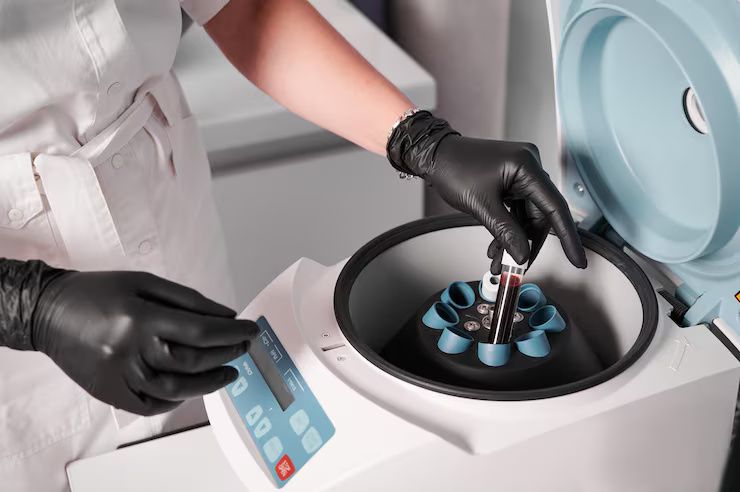
This article explores the fundamentals of Soxhlet extraction systems, their operating principles, and the industries that benefit from this established laboratory technology.
Understanding Soxhlet Extraction Systems
A Soxhlet extraction system is specialized laboratory equipment designed to continuously extract soluble substances from solid samples using a selected solvent. The process allows the same solvent to circulate repeatedly through the sample, improving extraction efficiency.
Unlike simple soaking methods, Soxhlet extraction maintains an ongoing cycle that maximizes contact between the solvent and the material being analyzed. This continuous process helps recover compounds more effectively from complex samples.
A standard Soxhlet setup generally includes:
- A solvent reservoir flask
- An extraction chamber
- A condenser unit
These components work together to create an automated extraction cycle that can operate for extended periods with minimal supervision.
Importance of Soxhlet Extraction in Laboratory Analysis
Even with the development of newer extraction techniques, Soxhlet extraction remains an important analytical method. Its widespread acceptance comes from its ability to produce consistent and reproducible results.
Researchers often select this method when precise compound recovery is required. The technique is especially useful for samples containing substances that are difficult to separate using simpler approaches.
Its continued use is supported by several advantages:
- Reliable extraction performance
- Established analytical protocols
- Broad application versatility
- Consistent experimental outcomes
These qualities make Soxhlet extraction a preferred choice in many scientific laboratories.
How the Soxhlet Extraction Process Works
The extraction process follows a systematic cycle that repeatedly exposes a sample to freshly distilled solvent.
Sample Loading
The procedure begins by placing the prepared sample inside a porous extraction thimble. This container holds the material while allowing solvent to pass through it freely.
Proper preparation of the sample is important because factors such as particle size and composition can influence extraction efficiency.
Solvent Evaporation
A solvent is added to the lower flask and heated until it begins to vaporize.
The resulting vapor rises through the apparatus toward the condenser positioned above the extraction chamber.
Condensation Stage
As the vapor reaches the condenser, it cools and returns to a liquid state.
The condensed solvent gradually drips into the extraction chamber and comes into contact with the sample.
Continuous Extraction
As liquid accumulates in the chamber, target compounds dissolve into the solvent.
When the chamber reaches a designated level, a siphoning mechanism transfers the solvent back into the boiling flask along with the extracted substances.
This cycle repeats automatically, allowing thorough extraction over time.
Key Components of a Soxhlet System
Each part of the Soxhlet apparatus contributes to efficient extraction performance.
Extraction Thimble
The thimble holds the sample securely while allowing solvent circulation.
Its structure prevents solid particles from entering other parts of the system.
Extraction Chamber
The chamber serves as the primary area where solvent interacts with the sample.
Repeated exposure improves the recovery of soluble compounds.
Condenser Unit
The condenser converts solvent vapor back into liquid form.
Efficient condensation ensures a steady and continuous extraction cycle.
Heating Apparatus
The heating source generates the energy needed to evaporate the solvent.
Maintaining a stable temperature is essential for achieving accurate and repeatable results.
Solvents Commonly Used in Soxhlet Extraction
Solvent selection depends on the nature of the sample and the compounds being targeted.
Different solvents are chosen based on their chemical compatibility and extraction efficiency.
Frequently used solvents include:
- Hexane
- Ethanol
- Methanol
- Acetone
The proper solvent helps improve extraction performance while supporting accurate analytical results.
Modern Technologies Enhancing Soxhlet Systems
Today's laboratories often integrate advanced technologies with traditional Soxhlet extraction equipment to improve efficiency and reliability.
Automated Extraction Equipment
Automation reduces manual handling and improves consistency between experiments.
Modern systems can control extraction parameters automatically, allowing researchers to focus on data analysis and interpretation.
Electronic Temperature Management
Digital controls provide precise regulation of heating conditions throughout the extraction process.
This helps maintain stable operating environments and supports reproducible outcomes.
Enhanced Laboratory Safety Features
Contemporary extraction systems frequently include safety mechanisms designed to improve operational security.
Examples include temperature alarms, automated shutdown functions, and solvent monitoring capabilities.
These features contribute to safer laboratory environments and more dependable operation.
Analytical Applications of Soxhlet Extraction
Soxhlet extraction systems are used in numerous scientific disciplines where accurate compound isolation is required.
Food Science and Nutritional Analysis
Food laboratories often use Soxhlet extraction to determine lipid content and evaluate product composition.
The method provides dependable results that support quality assessment and nutritional studies.
Environmental Research
Environmental scientists apply Soxhlet extraction when analyzing contaminants present in soil, sediment, and related materials.
The technique helps isolate compounds for further investigation and measurement.
Pharmaceutical Development
Researchers in pharmaceutical laboratories use extraction techniques to isolate bioactive substances from natural and synthetic materials.
These studies support drug development and formulation research.
Chemical and Industrial Research
Chemical laboratories frequently employ Soxhlet extraction for compound purification and analytical investigations.
Its reproducibility makes it valuable for both research and quality control activities.
Advantages of Soxhlet Extraction Systems
The popularity of Soxhlet extraction is largely due to its dependable performance across various applications.
Notable benefits include:
- Efficient compound recovery
- High reproducibility
- Compatibility with diverse sample types
- Well-established analytical procedures
These strengths contribute to its continued use in laboratories around the world.
Challenges and Limitations
While highly effective, Soxhlet extraction is not without limitations.
One common challenge is the time required to complete the extraction process. Certain applications may require several hours to achieve optimal results.
Another consideration is solvent consumption. Traditional Soxhlet methods typically use greater solvent volumes compared to some modern extraction technologies.
Despite these factors, many laboratories continue to rely on Soxhlet extraction because of its proven analytical reliability.
Emerging Alternatives and Complementary Methods
Scientific advancements have introduced several alternative extraction technologies designed to improve efficiency.
Methods such as microwave-assisted extraction, ultrasonic extraction, and accelerated solvent extraction can reduce processing times while maintaining analytical quality.
Nevertheless, Soxhlet extraction remains an important reference method and is often used to validate newer analytical approaches.
Its long history and established performance continue to make it a valuable tool in laboratory science.
Future Developments in Extraction Technology
The future of laboratory extraction is focused on greater efficiency, automation & sustainability.
Researchers are developing systems that minimize solvent use, accelerate extraction times, and improve analytical precision.
Digital monitoring technologies and intelligent laboratory equipment are also expected to become increasingly common.
As these innovations evolve, Soxhlet extraction principles will continue to influence modern extraction methodologies and analytical workflows.
Conclusion
Soxhlet extraction systems remain a cornerstone of analytical laboratory work. Their ability to provide consistent, repeatable, and effective compound extraction has ensured their relevance across research, environmental testing, pharmaceutical development, and industrial analysis.
Although newer technologies continue to emerge, Soxhlet extraction remains a trusted and widely recognized method for compound isolation. Its combination of reliability, simplicity, and proven performance ensures that it will continue to play an important role in scientific investigation for years to come.