Stainless steel is widely used in engineering because it combines corrosion resistance, mechanical strength, durability, and relatively straightforward fabrication.
Unlike ordinary carbon steel, stainless steel contains enough chromium to form a thin protective oxide layer on its surface. This layer helps the material resist corrosion and allows it to perform reliably in environments where moisture, chemicals, temperature changes, or frequent cleaning may be present.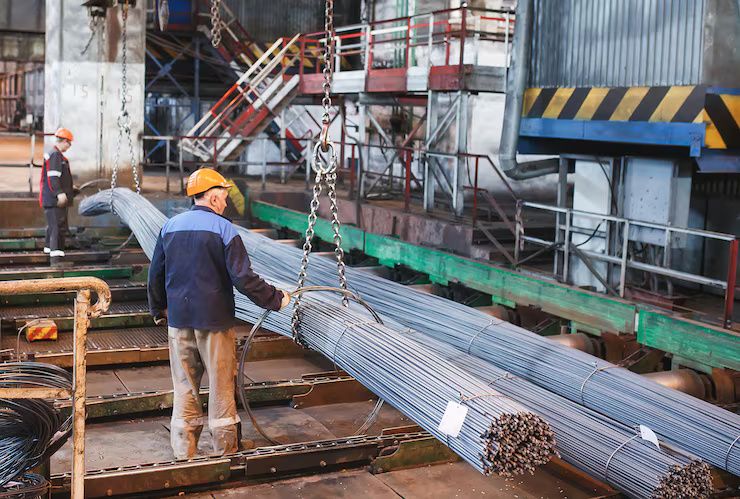
The term “stainless steel” covers a broad family of alloys rather than one specific material. Different grades have different compositions, structures, strengths, corrosion resistance, and fabrication characteristics. Selecting the appropriate type therefore depends on the engineering requirements of the application.
What Is Stainless Steel in Engineering?
Stainless steel is an iron-based alloy containing a minimum of approximately 10.5% chromium. Other elements, including nickel, molybdenum, manganese, carbon, nitrogen, and silicon, may be added to modify its properties.
The chromium content is particularly important because it enables the formation of a passive surface film. When the surface is exposed to oxygen, this extremely thin chromium-rich layer develops and helps protect the underlying metal from further corrosion.
In engineering, stainless steel may be selected for structural components, architectural elements, piping, tanks, fasteners, machinery components, fabrication systems, and infrastructure. Its suitability depends on factors such as load requirements, environmental exposure, temperature, fabrication method, and maintenance conditions.
Main Types of Stainless Steel
Stainless steel is commonly divided into several metallurgical families. Understanding these categories helps engineers determine which material characteristics are appropriate for a particular application.
Austenitic Stainless Steel
Austenitic grades are among the most widely used stainless steels. They generally contain significant amounts of chromium and nickel and have an austenitic crystal structure at room temperature.
These grades are known for strong corrosion resistance, good formability, and good weldability. Many austenitic alloys also maintain useful toughness across a broad temperature range.
Common examples include 304 and 316 stainless steel. Grade 304 is widely used for general engineering and architectural applications, while 316 contains molybdenum, which improves resistance to certain chloride-containing environments.
Ferritic Stainless Steel
Ferritic stainless steels typically contain chromium as the principal alloying element and have a ferritic crystal structure. They provide useful corrosion resistance and good resistance to oxidation at elevated temperatures.
Ferritic grades generally contain less nickel than many austenitic grades. They are used in applications such as architectural components, equipment housings, automotive systems, and selected industrial components where their combination of corrosion resistance and material characteristics is appropriate.
Martensitic Stainless Steel
Martensitic stainless steels can achieve relatively high hardness and strength through heat treatment. Their properties make them suitable where wear resistance and mechanical strength are important.
Typical applications include certain shafts, valves, cutting components, fasteners, and mechanical parts. Their corrosion resistance can be lower than that of many austenitic grades, so the operating environment must be considered carefully.
Duplex Stainless Steel
Duplex stainless steels combine characteristics of austenitic and ferritic structures. They are designed to provide high mechanical strength together with strong corrosion resistance.
Duplex grades are particularly useful in demanding engineering environments where both structural performance and resistance to localized corrosion are important. Applications can include process equipment, storage systems, piping, marine infrastructure, and industrial facilities.
Precipitation-Hardening Stainless Steel
Precipitation-hardening stainless steels are designed to achieve high strength through specific heat-treatment processes. They can provide a useful combination of strength, corrosion resistance, and dimensional stability.
These materials are generally selected for specialized engineering applications where mechanical performance is a major consideration.
Why Stainless Steel Is Used in Construction
Construction applications frequently expose materials to rain, humidity, temperature changes, pollutants, and other environmental conditions. Stainless steel can provide long-term resistance to many of these factors when the appropriate grade, finish, and design are selected.
One important advantage is durability. A stainless steel component can retain useful mechanical and surface properties for extended periods when it is correctly specified and maintained.
Its appearance is another reason for its use in architectural construction. Stainless steel can provide a clean metallic finish for visible structures, façades, railings, entrances, roofing details, and interior architectural features.
The material can also be fabricated into sheets, tubes, bars, sections, plates, and custom components, allowing engineers and fabricators to integrate it into different construction systems.
Common Construction Applications
Stainless steel appears in many parts of modern buildings and infrastructure.
Structural and Architectural Components
Although stainless steel is not selected for every structural application, it can be used for specialized structural members, support components, columns, connections, and architectural frameworks.
Its corrosion resistance can be particularly useful when components are exposed to weather or difficult environmental conditions.
Railings and Handrails
Stainless steel is frequently used for handrails, guardrails, balustrades, and architectural barriers. These components benefit from the material's durability, clean appearance, and ability to withstand regular environmental exposure.
Roofing and Building Exteriors
Stainless steel sheets and panels can be incorporated into roofing systems, façades, flashing, exterior trim, and other building-envelope components. Proper material selection is important because atmospheric conditions vary considerably between locations.
Piping and Water Systems
Stainless steel piping can be used in water-related systems, industrial facilities, processing environments, and specialized building installations. The appropriate grade depends on the fluid, temperature, chloride exposure, pressure, and other operating conditions.
Fasteners and Connections
Bolts, screws, anchors, brackets, and other connection components may be manufactured from stainless steel. Corrosion-resistant fasteners can be useful where exposed connections would otherwise become vulnerable to environmental degradation.
Important Engineering Properties
Several material characteristics influence whether stainless steel is appropriate for a particular application.
Corrosion resistance is one of its defining properties, although resistance varies significantly between grades and environments.
Strength differs by alloy family and processing condition. Some stainless steels can provide substantial tensile and yield strength, while others prioritize formability or corrosion resistance.
Ductility and formability are important for components that must be bent, rolled, stamped, or otherwise shaped during fabrication.
Weldability varies between grades. Welding procedures, heat input, filler materials, and post-weld considerations can influence final performance.
Temperature resistance also differs among stainless steel grades. Some alloys are better suited to elevated-temperature environments than others.
Factors to Consider When Selecting a Grade
Choosing stainless steel based only on its general reputation for corrosion resistance can lead to unsuitable material selection. Engineers should evaluate the actual operating environment.
Important considerations include:
- Exposure to moisture, salt, or chlorides
- Expected mechanical loads
- Operating and ambient temperatures
- Welding and fabrication requirements
- Surface finish requirements
- Risk of localized corrosion
- Cleaning and maintenance conditions
- Compatibility with surrounding materials
- Required service life and reliability
Environmental exposure is especially important. A grade that performs well in an indoor application may not provide the same level of resistance in a coastal, chemical, or high-chloride environment.
Stainless Steel and Long-Term Engineering Performance
The performance of stainless steel depends on more than its alloy composition. Design details, fabrication quality, surface condition, installation practices, and environmental exposure all influence the final result.
Poor drainage can allow contaminants and moisture to remain against a surface. Contact with incompatible metals can also contribute to galvanic corrosion under suitable conditions. For this reason, engineering design should consider the complete system rather than treating stainless steel as an isolated component.
Correct grade selection and appropriate fabrication can help engineers use the material effectively while reducing avoidable maintenance problems.
Frequently Asked Questions
What makes stainless steel different from ordinary steel?
Stainless steel contains significant chromium, which helps create a passive protective surface layer. This gives many stainless steel grades considerably greater corrosion resistance than conventional carbon steel.
Which stainless steel type is commonly used in construction?
Austenitic stainless steels, particularly grades such as 304 and 316, are widely encountered in construction and architectural applications. The appropriate grade depends on the environmental and mechanical requirements.
Is stainless steel suitable for structural applications?
Yes, stainless steel can be used for structural and load-bearing applications when the selected grade and section are appropriately engineered. Its strength, corrosion resistance, and fabrication characteristics must be evaluated for the specific design.
Does stainless steel require maintenance?
Stainless steel is corrosion resistant rather than completely immune to corrosion. Appropriate cleaning, drainage, surface treatment, and inspection can help maintain its performance, particularly in aggressive environments.
Conclusion
Stainless steel is an important engineering material because different alloy families can provide combinations of corrosion resistance, strength, ductility, hardness, weldability, and temperature performance. Austenitic, ferritic, martensitic, duplex, and precipitation-hardening stainless steels each have distinct characteristics.
In construction, stainless steel can be found in architectural components, railings, façades, roofing elements, piping, fasteners, connections, and specialized structural systems. The most effective selection begins with understanding the environment, mechanical requirements, fabrication process, and expected service conditions. Rather than treating stainless steel as a single material, engineers can achieve better results by selecting a specific grade and design approach that matches the application.