
Surgical instruments are the backbone of modern medical procedures. Whether it’s a routine operation or a complex surgery, these tools ensure precision, safety, and efficiency. Behind every instrument lies a carefully controlled manufacturing process designed to meet strict healthcare standards.
In today’s healthcare environment, the demand for high-quality surgical tools continues to grow. This has led to advanced manufacturing techniques, better materials, and improved designs that enhance both performance and patient outcomes.
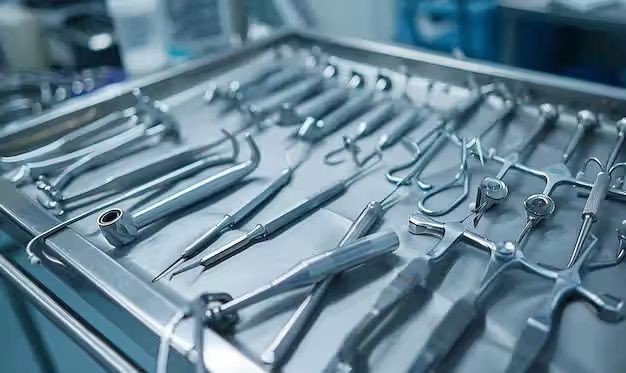
What Is Surgical Instrument Manufacturing?
Surgical instrument manufacturing is the process of designing, shaping, and finishing tools used in medical procedures. These instruments must be highly reliable because even a small defect can affect surgical outcomes.
Unlike general tools, surgical instruments must meet specific requirements. They need to be safe for human contact, easy to sterilize, and capable of maintaining precision over repeated use.
Some essential characteristics include:
- High precision and accuracy
- Resistance to corrosion and wear
- Compatibility with sterilization processes
- Long-term durability
These features ensure that instruments remain effective in demanding medical environments.
Types of Surgical Instruments
Different surgical procedures require different tools. Each instrument is designed with a specific function in mind, which also influences how it is manufactured.
1. Cutting and Dissecting Instruments
These instruments are used to cut tissues during surgical procedures. They must have extremely sharp edges and maintain that sharpness over time.
Common examples include scalpels and surgical scissors. The manufacturing process focuses heavily on edge precision and surface finishing.
2. Grasping and Holding Instruments
These tools help surgeons hold tissues, needles, or other materials securely. They must provide a strong grip without causing unnecessary damage.
Forceps and clamps fall into this category. Their design often includes textured surfaces for better control.
3. Retracting Instruments
Retractors are used to hold tissues aside, giving surgeons a clear view of the operating area. Strength and ergonomic design are key for these tools.
They are often used in procedures where visibility is critical, such as abdominal or orthopedic surgeries.
4. Suturing Instruments
These instruments assist in closing wounds and incisions. Precision and control are essential, as even minor errors can affect healing.
Needle holders and suturing scissors are common examples used in this category.
Materials Used in Surgical Instruments
The material used in manufacturing directly impacts the performance and lifespan of surgical instruments. Different procedures require different material properties.
Stainless Steel
Stainless steel is the most widely used material in surgical tools. It provides a strong balance between durability and corrosion resistance.
It is preferred because it is:
- Easy to sterilize
- Resistant to rust
- Durable for repeated use
Titanium
Titanium is commonly used in advanced surgical instruments where lightweight design is important. It offers excellent strength without adding extra weight.
Its non-reactive nature also makes it suitable for sensitive medical applications.
Carbon Steel
Carbon steel is known for its sharpness and hardness. It is often used in cutting instruments that require fine edges.
However, it requires proper maintenance to prevent corrosion over time.
Specialty Alloys
Some instruments are made from specialized alloys designed for specific medical conditions. These materials enhance performance in demanding environments.
Manufacturing Process of Surgical Instruments
The manufacturing process involves multiple stages, each focusing on precision and quality. Every step is carefully monitored to ensure the final product meets medical standards.
1. Design and Development
The process begins with designing the instrument based on its intended use. Engineers create detailed models using advanced design tools.
Prototypes are then developed and tested to ensure functionality and comfort.
2. Material Selection
Choosing the right material is a critical step. The selection depends on factors such as strength, flexibility, and sterilization compatibility.
3. Forging and Machining
The raw material is shaped into the required form using forging and machining techniques. This stage defines the structure of the instrument.
Processes used include:
- Precision machining for accuracy
- Laser cutting for detailed shapes
- Grinding for smooth edges
4. Heat Treatment
Heat treatment improves the strength and durability of the instrument. It ensures that the tool can withstand repeated use without losing its properties.
This step balances hardness and flexibility.
5. Finishing and Polishing
The surface of the instrument is refined to remove imperfections. A smooth finish is essential for both safety and performance.
Polishing also helps in reducing the risk of contamination and improves ease of cleaning.
6. Inspection and Quality Control
Every instrument undergoes strict inspection before it is approved. This includes checking dimensions, functionality, and surface quality.
Only instruments that meet all standards move to the next stage.
7. Sterilization and Packaging
The final step involves preparing the instrument for medical use. It is cleaned, sterilized, and packed in controlled environments to maintain hygiene.
Quality Standards in Surgical Manufacturing
Quality is non-negotiable in surgical instrument manufacturing. These tools must perform consistently under critical conditions.
Manufacturers follow strict guidelines to ensure:
- Precision in design and function
- Safety for patient use
- Resistance to repeated sterilization
- Reliability over time
Maintaining these standards is essential for trust in healthcare systems.
Medical Applications of Surgical Instruments
Surgical instruments are used across various medical fields, each requiring specialized tools.
General Surgery
Basic instruments are used in routine procedures such as tissue removal and minor operations. These tools are designed for versatility and ease of use.
Orthopedic Procedures
Orthopedic surgeries involve bones and joints, requiring strong and durable instruments. Tools like bone cutters and drills are commonly used.
Cardiovascular Procedures
These procedures require extremely delicate instruments. Precision is crucial when working with the heart and blood vessels.
Dental and Cosmetic Procedures
Smaller and more refined instruments are used in these fields. They allow for detailed work and better control during procedures.
Role of Technology in Modern Manufacturing
Technology has significantly improved the manufacturing of surgical instruments. It allows for greater accuracy and consistency.
Modern techniques include advanced machining and digital design tools. These innovations reduce errors and improve production efficiency.
Digital systems also help track quality and ensure that each instrument meets required standards.
Challenges in Surgical Instrument Manufacturing
Despite advancements, manufacturers face several challenges. Maintaining consistent quality while handling complex designs can be demanding.
Some common challenges include:
- Meeting strict regulatory requirements
- Ensuring durability after repeated use
- Managing precision in complex instruments
Addressing these challenges requires continuous improvement and innovation.
Future Trends in Surgical Instrument Manufacturing
The future of surgical instruments is driven by innovation and evolving healthcare needs. New technologies are shaping how these tools are designed and used.
Emerging trends include minimally invasive instruments, smart tools, and robotics-assisted surgical equipment. These advancements aim to improve precision and patient outcomes.
Sustainable manufacturing practices are also gaining attention, focusing on reducing environmental impact while maintaining quality.
Tips for Choosing the Right Surgical Instruments
Selecting the right instruments depends on the type of procedure and specific requirements. A thoughtful approach ensures better performance and reliability.
Key factors to consider include material quality, design, and ease of handling. Instruments should also be compatible with sterilization methods used in medical environments.
For example, lightweight instruments may provide better control in delicate procedures, while stronger tools are preferred for heavy-duty surgical tasks.
Conclusion
Surgical instrument manufacturing is a highly specialized field that supports modern healthcare. Each instrument goes through a detailed process to ensure it meets strict standards of safety and precision.
With advancements in materials and technology, these instruments continue to evolve, making medical procedures more efficient and reliable. Understanding this process highlights the importance of quality and innovation in delivering effective healthcare solutions.