Thermal power boilers are a fundamental part of conventional electricity generation.
They convert the chemical energy contained in a fuel into thermal energy, which is then used to produce high-pressure steam. That steam drives a turbine connected to a generator, transforming heat into mechanical energy and ultimately into electrical power.
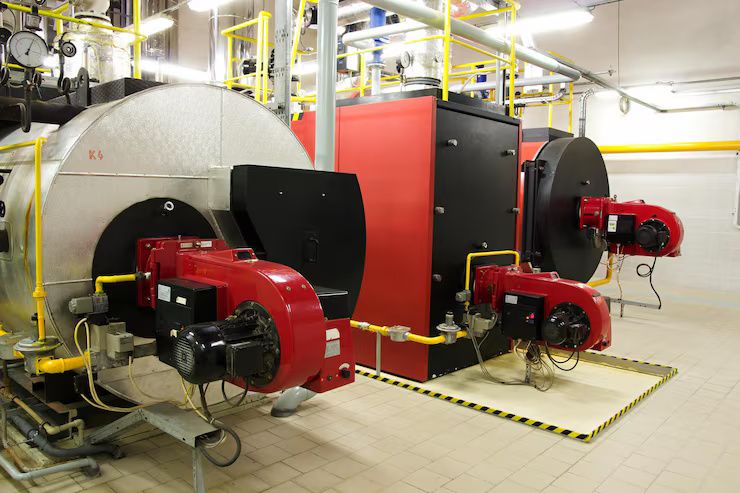
Although the basic concept is straightforward, modern thermal power plant boilers are highly engineered systems. Their design must account for heat transfer, combustion, steam pressure, fuel characteristics, emissions, water quality, efficiency, and operational safety. Industrial boiler systems also rely on numerous supporting components that work together to maintain stable and continuous operation.
This guide explains how thermal power boilers work, the major components involved, key design considerations, and the operational practices that influence efficiency, reliability, and environmental performance.
What Are Thermal Power Boilers?
Thermal power boilers are large-scale steam-generating systems used primarily in power plants to produce the steam required for electricity generation. They are sometimes referred to as steam power plant boilers because steam is the primary working medium used to transfer thermal energy to the turbine.
The general process follows a sequence:
- Fuel is introduced into the combustion system.
- The fuel burns and releases thermal energy.
- Heat transfers to water circulating through boiler tubes.
- Water changes into high-pressure steam.
- Steam expands through a turbine.
- The turbine drives an electrical generator.
- Exhaust steam is condensed and returned to the water cycle.
This continuous process allows thermal power plants to generate electricity on a large scale.
How a Thermal Power Plant Boiler Works
The boiler acts as the central heat-generation and steam-production unit within a thermal power station.
Fuel and air enter the combustion area, where controlled combustion produces high-temperature gases. These gases pass through different sections of the boiler, transferring heat to water-filled tubes.
As the water absorbs heat, it changes into steam. Depending on the boiler design, the steam may pass through superheaters and reheaters before entering the turbine.
Superheated steam contains more energy and has a higher temperature than saturated steam. Reheating may occur after partial expansion in the turbine, improving the overall thermodynamic performance of the power generation cycle.
After the steam completes its work in the turbine, it enters a condenser and returns to water. The feedwater is then treated and pumped back toward the boiler, creating a largely continuous cycle.
Main Components of Industrial Boiler Systems
A modern industrial boiler system consists of many interconnected components. Each plays a specific role in combustion, heat transfer, steam generation, or operational control.
Furnace
The furnace is the primary combustion chamber where fuel burns and releases heat. Its design depends on the fuel type and combustion technology being used.
Boiler Tubes
Water or steam flows through specially arranged tubes that absorb heat from combustion gases. Tube materials must withstand high temperatures and pressures.
Steam Drum
In certain boiler designs, the steam drum separates steam from water and helps maintain circulation within the boiler.
Superheater
The superheater raises the temperature of steam beyond its saturation point. This improves the energy available for turbine operation.
Reheater
A reheater increases the temperature of partially expanded steam before it returns to later turbine stages.
Economizer
The economizer uses heat from exhaust gases to preheat incoming feedwater. This improves energy utilization and reduces the amount of fuel required for steam generation.
Air Preheater
An air preheater transfers heat from outgoing flue gases to incoming combustion air, supporting more efficient fuel combustion.
Types of Thermal Power Plant Boilers
Thermal power plant boilers can be classified according to their circulation method, combustion system, and fuel type.
| Boiler Type | Main Characteristic | Typical Application |
|---|---|---|
| Water-Tube Boiler | Water circulates through heated tubes | Large power generation |
| Fire-Tube Boiler | Hot gases pass through tubes surrounded by water | Smaller industrial applications |
| Subcritical Boiler | Operates below the critical water pressure | Conventional power plants |
| Supercritical Boiler | Operates above the critical pressure | High-efficiency power generation |
| Once-Through Boiler | Water passes through the system without a traditional steam drum | Advanced large-scale plants |
The appropriate design depends on plant capacity, fuel characteristics, operating conditions, and efficiency objectives.
Boiler Design Considerations
Designing thermal power boilers involves balancing multiple engineering requirements.
Fuel Characteristics
The type and quality of fuel influence furnace design, combustion conditions, ash handling, and emissions control.
Steam Conditions
Steam pressure and temperature directly affect the thermodynamic efficiency of the power generation process.
Heat Transfer
Efficient heat transfer is essential for converting fuel energy into useful steam energy. Boiler surfaces must be arranged to maximize heat absorption while controlling temperature.
Materials
Boiler components experience high temperatures, pressures, and thermal cycling. Materials must therefore provide appropriate strength, durability, and resistance to corrosion.
Water Chemistry
Water quality is critical to boiler performance. Dissolved minerals and impurities can contribute to scale formation, corrosion, and equipment damage.
Combustion Systems and Fuel Handling
Combustion is one of the most important processes in a steam power plant boiler.
The combustion system must provide the correct balance of fuel and air to support stable and efficient burning. In large facilities, fuel handling systems transport and prepare fuel before it enters the furnace.
Depending on the plant configuration, systems may include:
- Fuel preparation equipment
- Feed systems
- Burners
- Air supply systems
- Draft equipment
- Ash removal systems
Modern combustion controls continuously monitor operating conditions and adjust airflow and fuel delivery to maintain stable performance.
Steam Cycle and Power Generation
The boiler does not generate electricity directly. Instead, it provides the high-energy steam that drives the turbine.
The basic energy conversion process is:
Fuel energy → Thermal energy → Steam energy → Mechanical energy → Electrical energy
High-pressure steam enters the turbine and expands through multiple stages. As the steam expands, it transfers energy to turbine blades, causing the turbine shaft to rotate.
The rotating shaft drives a generator, which converts mechanical energy into electricity.
Afterward, the steam is condensed and returned to the feedwater system. This closed-loop process allows the plant to continuously reuse water within the steam cycle.
Boiler Efficiency and Heat Recovery
Boiler efficiency depends on how effectively fuel energy is converted into useful steam energy.
Several factors influence performance, including:
- Combustion efficiency
- Heat transfer effectiveness
- Flue gas temperature
- Fuel quality
- Excess air levels
- Heat losses
- Boiler insulation
- Equipment condition
Heat recovery components such as economizers and air preheaters help capture energy that would otherwise leave the system through exhaust gases.
Regular monitoring allows operators to identify changes in performance and investigate potential causes of efficiency losses.
Environmental Control in Modern Boiler Operations
Modern thermal power plants must manage emissions and environmental impacts associated with combustion.
Depending on the fuel and plant design, environmental control systems may address:
- Particulate matter
- Sulfur compounds
- Nitrogen oxides
- Carbon emissions
- Wastewater
- Solid combustion residues
Technologies such as electrostatic precipitators, fabric filtration, flue gas treatment, and selective emission-control systems may be incorporated into larger facilities.
Improved combustion control can also contribute to more efficient fuel use and reduced emissions intensity.
Boiler Operation and Maintenance
Reliable boiler operation depends on continuous monitoring and preventive maintenance.
Operators typically monitor:
- Steam pressure
- Steam temperature
- Water levels
- Furnace conditions
- Fuel flow
- Airflow
- Flue gas conditions
- Feedwater chemistry
Maintenance activities may include inspections of pressure components, tube surfaces, burners, valves, pumps, and instrumentation.
Boiler tubes require particular attention because deposits, corrosion, erosion, or overheating can affect reliability.
Modern plants increasingly use condition monitoring and predictive maintenance technologies to identify potential equipment problems before they lead to major operational interruptions.
Safety Considerations
Industrial boiler systems operate under high temperatures and pressures, making safety a fundamental part of their design and operation.
Important safety measures include:
- Pressure relief systems
- Automated shutdown controls
- Water-level monitoring
- Temperature monitoring
- Combustion safeguards
- Regular inspections
- Operator training
- Emergency procedures
Automation has improved safety by allowing control systems to detect abnormal operating conditions and initiate protective responses when necessary.
Trends in Thermal Power Boiler Technology
Thermal power boiler technology continues to evolve as power producers seek greater efficiency, reliability, and environmental performance.
Key developments include:
- Advanced high-pressure steam cycles
- Digital boiler monitoring
- Predictive maintenance
- Automated combustion control
- Improved heat recovery
- Advanced materials
- Flexible operating capabilities
- Integration with modern emission-control systems
Digital technologies are particularly important because they allow operators to analyze large amounts of operational data and identify patterns that may not be immediately visible through conventional monitoring.
Frequently Asked Questions
What is a thermal power boiler?
A thermal power boiler is a large steam-generating system that uses heat from fuel combustion to convert water into high-pressure steam for driving turbines and generating electricity.
What is the difference between a thermal power boiler and an industrial boiler?
Thermal power plant boilers are primarily designed for large-scale electricity generation, while industrial boilers may produce steam or hot water for manufacturing, processing, heating, or other industrial applications.
Why are superheaters used in power plant boilers?
Superheaters increase the temperature of steam beyond its saturation point, providing higher-energy steam for turbine operation and supporting improved power generation efficiency.
How does boiler maintenance affect plant performance?
Regular maintenance helps identify issues such as tube degradation, deposits, corrosion, and equipment wear. Maintaining components properly supports reliable operation and stable performance.
What factors influence thermal power boiler efficiency?
Efficiency is influenced by combustion quality, fuel characteristics, heat transfer, steam conditions, heat losses, flue gas temperature, equipment condition, and the effectiveness of heat recovery systems.
Conclusion
Thermal power boilers are central to conventional steam-based electricity generation, serving as the link between fuel combustion and turbine-driven power production. Their operation depends on a carefully coordinated combination of furnace systems, heat-transfer surfaces, steam equipment, water treatment, combustion controls, and environmental technologies.
Modern industrial boiler systems continue to evolve through improved materials, advanced steam cycles, automation, digital monitoring, and predictive maintenance. Understanding boiler design and operation provides a clearer picture of how thermal power plants convert heat into electricity while balancing efficiency, reliability, safety, and environmental considerations.