
Water is one of the world's most valuable natural resources, and managing it responsibly has become increasingly important as populations grow, industries expand, and environmental challenges evolve.
One of the most effective ways to conserve water is through wastewater recycling, a process that treats used water so it can be safely reused for appropriate purposes instead of being discharged as waste.
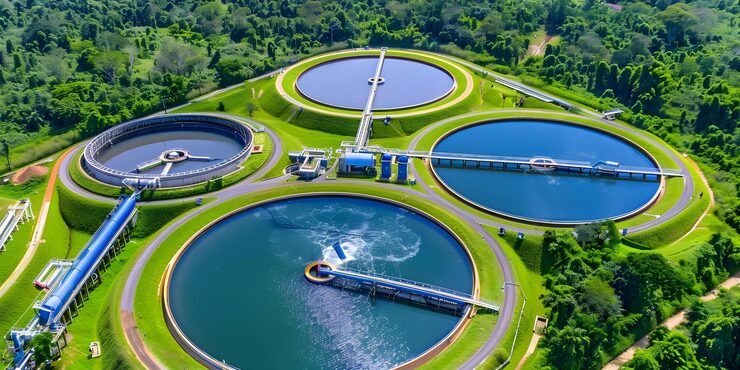
Modern wastewater recycling combines scientific treatment methods, advanced filtration technologies, and continuous monitoring to improve water quality while reducing pressure on freshwater resources. From municipalities to manufacturing facilities, many organizations now rely on industrial wastewater treatment and industrial water treatment systems to support sustainable water management.
This guide explains the basics of wastewater recycling, how treatment technologies work, the equipment involved, common applications, benefits, challenges, and future developments. Whether you are a student, facility manager, business owner, or simply interested in water conservation, understanding these processes provides valuable insight into one of today's most important environmental practices.
What Is Wastewater Recycling?
Wastewater recycling is the process of collecting, treating, and reusing water that has already been used in homes, businesses, industries, or public facilities. Rather than treating wastewater as a disposable resource, modern treatment systems remove contaminants so the water can be used again where appropriate.
Depending on treatment levels and local regulations, recycled water may support:
- Industrial operations
- Agricultural irrigation
- Landscape watering
- Cooling systems
- Construction activities
- Environmental restoration
- Certain municipal applications
The primary goal is to reduce freshwater consumption while protecting public health and natural ecosystems.
Understanding Different Types of Wastewater
Not all wastewater has the same characteristics. The treatment process depends largely on where the water originates.
Domestic Wastewater
Domestic wastewater comes from homes, residential buildings, schools, and offices. It typically contains organic matter, detergents, food particles, and household waste.
Industrial Wastewater
Industrial wastewater treatment focuses on water generated during manufacturing and production activities. Depending on the industry, this water may contain chemicals, oils, suspended solids, metals, or process residues that require specialized treatment methods.
Stormwater Runoff
Rainwater flowing across roads, parking areas, and urban surfaces often carries sediments, debris, oils, and pollutants into drainage systems. Some treatment facilities include systems for managing and improving runoff quality before discharge or reuse.
Why Wastewater Recycling Matters
Freshwater supplies are limited, while demand continues to increase across residential, agricultural, and industrial sectors. Recycling water helps bridge this gap by making better use of existing resources.
Some important benefits include:
- Reducing dependence on freshwater supplies
- Supporting long-term water conservation
- Protecting rivers, lakes, and groundwater
- Lowering wastewater discharge volumes
- Supporting industrial sustainability goals
- Improving resilience during periods of drought
Wastewater recycling also plays an important role in circular water management, where water is viewed as a reusable resource rather than a single-use commodity.
How Wastewater Recycling Works
Although treatment systems vary depending on application, most follow a series of structured treatment stages.
1. Collection
Wastewater is first collected through pipelines or drainage systems and transported to a treatment facility.
At this stage, water may contain:
- Organic waste
- Suspended solids
- Oils
- Chemicals
- Microorganisms
- Fine particles
Collection systems are designed to transport wastewater efficiently while minimizing environmental impact.
2. Preliminary Treatment
Large materials are removed before detailed treatment begins.
Common processes include:
- Screening
- Grit removal
- Debris separation
This protects downstream equipment from damage and improves overall treatment efficiency.
3. Primary Treatment
Primary treatment allows heavier particles to settle while lighter materials float to the surface.
During this phase:
- Sediments settle into tanks.
- Floating oils and grease are removed.
- Initial reductions in suspended solids occur.
This stage prepares the water for more advanced treatment.
4. Secondary Treatment
Secondary treatment focuses on removing dissolved organic matter through biological processes.
Helpful microorganisms naturally consume organic pollutants, improving water quality.
This stage significantly reduces:
- Organic contaminants
- Biological pollutants
- Suspended materials
Biological treatment remains one of the most important components of modern industrial water treatment systems.
5. Advanced Treatment
When higher water quality is required, additional technologies are introduced.
Examples include:
- Membrane filtration
- Activated carbon filtration
- Reverse osmosis
- Ultraviolet disinfection
- Ozone treatment
These processes further remove dissolved contaminants, microorganisms, and microscopic particles.
6. Reuse or Safe Discharge
Once treatment standards are achieved, the recycled water may be reused for approved applications or safely returned to the environment according to local regulations.
Wastewater Treatment Equipment
Modern wastewater treatment equipment combines mechanical, biological, and chemical technologies to improve water quality.
Some common equipment includes:
| Equipment | Primary Function |
|---|---|
| Screens | Remove large debris |
| Sedimentation tanks | Separate solids from water |
| Aeration systems | Support biological treatment |
| Clarifiers | Improve solid-liquid separation |
| Filtration units | Remove fine particles |
| Membrane systems | Advanced purification |
| UV disinfection units | Reduce microorganisms |
| Pumps | Move water through treatment stages |
| Monitoring sensors | Measure treatment performance |
Each component contributes to the overall effectiveness of the treatment process.
Water Treatment Plant Equipment
A complete water treatment facility includes numerous interconnected systems working together.
Typical water treatment plant equipment may include:
- Storage tanks
- Mixing systems
- Chemical dosing equipment
- Biological reactors
- Sludge handling systems
- Filtration units
- Monitoring instruments
- Automated control systems
- Pumping stations
Automation increasingly helps operators monitor water quality, equipment performance, and process efficiency in real time.
Industrial Wastewater Treatment Applications
Different industries generate wastewater with unique characteristics, requiring customized treatment approaches.
Industries commonly using industrial wastewater treatment include:
- Food processing
- Pharmaceutical manufacturing
- Textile production
- Chemical manufacturing
- Metal processing
- Electronics manufacturing
- Paper production
- Mining operations
Treatment methods vary depending on the specific contaminants generated by each industry.
Common Water Reuse Applications
After appropriate treatment, recycled water supports numerous non-potable applications.
Examples include:
- Cooling towers
- Manufacturing processes
- Irrigation systems
- Landscape maintenance
- Construction activities
- Dust suppression
- Industrial cleaning
- Environmental habitat restoration
The intended application determines the required treatment level.
Benefits of Industrial Water Treatment
Effective industrial water treatment offers advantages beyond regulatory compliance.
Key benefits include:
- Improved water efficiency
- Reduced freshwater demand
- Better environmental protection
- Consistent process water quality
- Enhanced equipment performance
- Reduced wastewater discharge
- Support for sustainability initiatives
Many industries now view water management as an important component of long-term operational planning.
Challenges in Wastewater Recycling
Although treatment technology has advanced significantly, several challenges remain.
Some common considerations include:
- Changing wastewater composition
- Equipment maintenance requirements
- Energy consumption
- Monitoring water quality
- Managing treatment by-products
- Meeting evolving environmental standards
Addressing these challenges requires continuous monitoring and ongoing technological improvement.
Innovations in Water Reuse Technologies
Research continues to improve wastewater recycling efficiency through new treatment methods and digital technologies.
Emerging developments include:
- Smart monitoring sensors
- Artificial intelligence for process optimization
- Energy-efficient membrane systems
- Advanced oxidation technologies
- Automated treatment controls
- Improved biological treatment methods
- Digital water quality monitoring
These innovations help treatment facilities operate more efficiently while improving recycled water quality.
Best Practices for Effective Water Recycling
Successful wastewater recycling depends on careful planning and ongoing management.
Recommended practices include:
- Regular equipment inspection
- Continuous water quality monitoring
- Preventive maintenance schedules
- Staff training
- Process optimization
- Responsible chemical management
- Compliance with environmental guidelines
Consistent management helps maintain treatment performance over time.
Frequently Asked Questions
What is wastewater recycling?
Wastewater recycling is the process of treating previously used water so it can be safely reused for suitable applications instead of being discarded after a single use.
What is the difference between industrial wastewater treatment and industrial water treatment?
Industrial wastewater treatment focuses on cleaning used process water before reuse or discharge, while industrial water treatment also includes preparing incoming water for manufacturing, cooling, or production processes.
What equipment is commonly used in wastewater treatment?
Typical wastewater treatment equipment includes screens, pumps, aeration systems, filtration units, clarifiers, membrane systems, disinfection units, and monitoring instruments.
Where is recycled water commonly used?
Recycled water is frequently used for industrial operations, irrigation, cooling systems, landscape maintenance, construction activities, and environmental restoration where permitted.
Why is wastewater recycling important?
Wastewater recycling helps conserve freshwater resources, supports sustainable water management, reduces environmental impacts, and provides reliable water supplies for many industrial and community applications.
Conclusion
Wastewater recycling has become an essential component of modern water resource management. By treating and reusing water through carefully designed physical, biological, and advanced purification processes, communities and industries can reduce pressure on freshwater supplies while supporting environmental sustainability. Understanding the stages of treatment, the role of industrial wastewater treatment, the importance of industrial water treatment systems, and the function of wastewater treatment equipment provides valuable insight into how recycled water contributes to responsible resource management.
As technology continues to improve, water treatment plant equipment is becoming more efficient, automated, and capable of producing higher-quality recycled water for a wide range of applications. Whether supporting manufacturing, agriculture, infrastructure, or environmental conservation, wastewater recycling represents an important step toward building resilient water systems for the future. By understanding these foundational concepts, individuals and organizations alike can better appreciate the role of water reuse technologies in creating a more sustainable and resource-efficient world.