
Water and wastewater treatment plays an essential role in protecting public health, supporting industrial activity, and maintaining healthy natural environments.
From municipal drinking water facilities to complex industrial plants, treatment systems are designed to remove unwanted substances, manage water quality, and prepare water for safe use, discharge, or reuse.
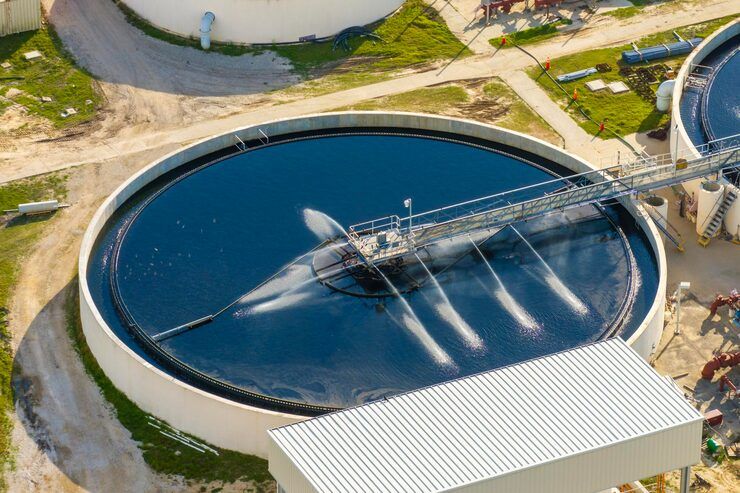
Although treatment methods vary according to the source and intended purpose of the water, most systems follow a series of carefully planned physical, chemical, and biological processes. Understanding these fundamentals makes it easier to see how water moves through a treatment facility and why different types of equipment and technologies are used.
This guide explains the basics of Water & Wastewater Treatment, including the differences between municipal and industrial applications, common treatment stages, equipment, challenges, and emerging approaches to water reuse and resource recovery.
What Is Water and Wastewater Treatment?
Water treatment refers to processes used to improve the quality of water for a specific purpose. Depending on the application, treated water may be intended for drinking, industrial processes, irrigation, cooling, cleaning, or other uses.
Wastewater treatment focuses on water that has already been used and contains contaminants that must be reduced or removed before the water can be discharged or reused.
The main objectives are generally to:
- Remove suspended solids and unwanted particles
- Reduce organic pollutants
- Control harmful microorganisms
- Manage nutrients such as nitrogen and phosphorus
- Reduce specific chemicals or dissolved contaminants
- Prepare water for safe discharge or reuse
The exact treatment approach depends on the water's characteristics, regulatory requirements, and final application.
Municipal and Industrial Water Treatment: What Is the Difference?
Municipal systems generally serve communities and are designed to handle water from residential, commercial, and public sources. Their processes are often standardized around predictable water quality requirements and large population demands.
Industrial Water Treatment is more specialized because water quality can differ significantly between industries. Manufacturing facilities, food processing plants, pharmaceutical operations, chemical production sites, and power facilities may all generate different water streams.
Industrial systems may need to address:
- High concentrations of dissolved solids
- Oils and grease
- Heavy metals
- Specific chemical compounds
- Extreme pH levels
- High organic loads
- Process-specific contaminants
This means an industrial facility may use several treatment stages designed specifically for its operations rather than relying on a single general-purpose process.
Main Stages of Water Treatment
Water treatment systems often combine multiple processes to achieve the required quality.
Screening and Preliminary Treatment
The first stage typically removes large materials that could interfere with downstream equipment. Screens, filters, and related devices can capture items such as plastics, leaves, fibers, and other debris.
In wastewater facilities, preliminary treatment may also include grit removal to separate sand and heavier inorganic particles.
Coagulation and Flocculation
Very small suspended particles may remain in water even after initial screening. Coagulation uses chemicals to destabilize these particles, allowing them to combine.
During flocculation, gentle mixing encourages the formation of larger clusters called flocs. These particles can then be separated more effectively through sedimentation or filtration.
Sedimentation
During sedimentation, heavier particles settle under gravity. The resulting sludge is collected for further processing, while clarified water moves to the next treatment stage.
This process is widely used in both municipal and industrial applications.
Filtration
Filtration removes smaller particles that remain after sedimentation. Depending on the water quality and treatment goals, systems may use sand, multimedia, membrane, cartridge, or other filtration technologies.
Filtration can improve clarity and reduce suspended matter before additional treatment.
Disinfection
Disinfection aims to reduce harmful microorganisms in treated water. Common approaches include ultraviolet treatment, ozone, and chemical disinfection.
The selected method depends on the water quality, intended use, system design, and operational requirements.
Biological Treatment in Wastewater Systems
Biological treatment is a major component of many Wastewater Treatment Systems. It uses microorganisms to break down biodegradable organic matter present in wastewater.
Common biological approaches include activated sludge processes, sequencing batch reactors, moving bed biofilm reactors, and membrane bioreactors.
These systems can help reduce organic pollutants and, depending on the design, remove nutrients such as nitrogen and phosphorus.
The biological stage requires careful management of factors such as oxygen availability, microbial activity, temperature, and wastewater composition.
Industrial Wastewater Treatment
Industrial Wastewater Treatment requires a customized approach because wastewater characteristics vary significantly between facilities.
For example, a food processing facility may produce wastewater with high levels of organic matter, while a metal processing operation may generate streams containing metals or other inorganic contaminants.
Industrial treatment may involve:
- Equalization tanks
- pH adjustment
- Oil-water separation
- Chemical precipitation
- Dissolved air flotation
- Biological treatment
- Membrane filtration
- Advanced oxidation
The treatment sequence is usually selected according to the contaminants present and the intended outcome.
Water Treatment Equipment and Its Role
Water Treatment Equipment includes the physical and mechanical components that support each stage of the treatment process.
Common equipment includes:
| Equipment | Typical Function |
|---|---|
| Screens | Remove large debris |
| Pumps | Move water between treatment stages |
| Clarifiers | Separate settled solids |
| Filters | Reduce suspended particles |
| Membrane systems | Separate dissolved and suspended substances |
| Disinfection units | Control microorganisms |
| Chemical dosing systems | Add treatment chemicals |
| Sludge handling equipment | Process residual solids |
The equipment used in a facility depends on system capacity, water characteristics, treatment objectives, and operational requirements.
Wastewater Treatment Equipment and Sludge Management
Wastewater treatment produces residual solids, commonly referred to as sludge. Managing this material is an important part of overall system design.
Wastewater Treatment Equipment may include:
- Sludge pumps
- Thickening systems
- Dewatering equipment
- Digesters
- Drying systems
Sludge treatment can reduce volume and improve handling. In some systems, biological digestion may also generate biogas that can be captured and used as an energy resource.
Water Reuse and Resource Recovery
Water reuse is becoming increasingly important as communities and industries seek to manage limited water resources more effectively.
Treated water may be reused for applications such as:
- Industrial cooling
- Equipment cleaning
- Irrigation
- Process water
- Toilet flushing
- Other non-potable purposes
Advanced treatment can also support higher-quality reuse applications when appropriate controls are in place.
Resource recovery is another developing area. Modern facilities may recover energy, nutrients, or other useful materials from wastewater instead of viewing wastewater solely as waste.
Challenges in Modern Treatment Systems
Water and wastewater facilities face several ongoing challenges.
Changing Contaminant Profiles
Emerging contaminants, complex industrial chemicals, pharmaceuticals, and microplastics can create additional treatment requirements.
Energy Consumption
Pumping, aeration, filtration, and advanced treatment processes can require significant energy. Improving energy efficiency is therefore an important operational consideration.
Sludge Management
Treatment residuals must be handled carefully, creating additional requirements for processing, transportation, and final management.
Variable Water Quality
Industrial wastewater can change significantly depending on production schedules and operating conditions. Treatment systems must often accommodate these variations.
How Treatment Systems Are Becoming Smarter
Digital monitoring and automation are changing the way treatment facilities operate.
Modern systems may use sensors and control platforms to monitor:
- Flow rates
- pH
- Turbidity
- Dissolved oxygen
- Pressure
- Chemical conditions
Data-driven monitoring can help operators identify changes earlier and adjust treatment processes more efficiently. Automation may also support consistent system performance while reducing the need for manual intervention in routine tasks.
Choosing a Treatment Approach
The right treatment strategy depends on several factors rather than one universal solution.
Important considerations include:
- Source water characteristics
- Contaminant types
- Required water quality
- System capacity
- Regulatory requirements
- Available space
- Energy considerations
- Potential for water reuse
The most suitable system depends on the specific application. Municipal facilities may prioritize large-scale consistency, while industrial facilities often require specialized processes that reflect the characteristics of their wastewater.
Frequently Asked Questions
What is the main purpose of water and wastewater treatment?
The primary purpose is to improve water quality by removing contaminants, reducing harmful substances, and preparing water for safe use, reuse, or discharge.
How does industrial water treatment differ from municipal treatment?
Industrial Water Treatment is typically customized to address contaminants associated with specific manufacturing or production processes, while municipal systems generally manage water for communities and public infrastructure.
What are the main stages of wastewater treatment?
Common stages include preliminary treatment, screening, sedimentation, biological treatment, filtration, disinfection, and sludge management. The exact sequence varies according to wastewater characteristics and treatment objectives.
What types of equipment are used in wastewater treatment systems?
Common equipment includes screens, pumps, clarifiers, filters, membrane units, chemical dosing systems, aeration equipment, and sludge processing machinery.
Why is water reuse becoming more important?
Water reuse can help reduce demand on freshwater sources by allowing appropriately treated water to be used again for industrial, agricultural, or other suitable applications.
Conclusion
Water and wastewater treatment is a complex but essential part of modern infrastructure. Municipal facilities help protect community health, while Industrial Water Treatment systems support manufacturing and other sectors by managing process water and wastewater.
From basic screening and sedimentation to advanced membranes, biological processes, and digital monitoring, each treatment stage serves a specific purpose. Understanding these fundamentals helps explain why treatment systems are designed differently for different applications.
As water scarcity, environmental protection, and resource efficiency become increasingly important, treatment systems are also evolving. Greater emphasis on water reuse, energy efficiency, automation, and resource recovery is shaping the future of Water & Wastewater Treatment. The central goal remains consistent: managing water responsibly while protecting people, industries, and the environment.