
Water leakage in a home is more than an inconvenience. Even a minor leak can gradually damage walls, ceilings, flooring, and structural elements while creating conditions that encourage mold growth and reduce indoor comfort. Identifying leaks early helps minimize repair work and prevents small issues from developing into costly property damage.
Modern homes contain extensive plumbing systems, roofing materials, drainage networks, and waterproofing layers that work together to keep moisture under control. When one part of this system fails, water can travel through hidden spaces before visible signs appear.
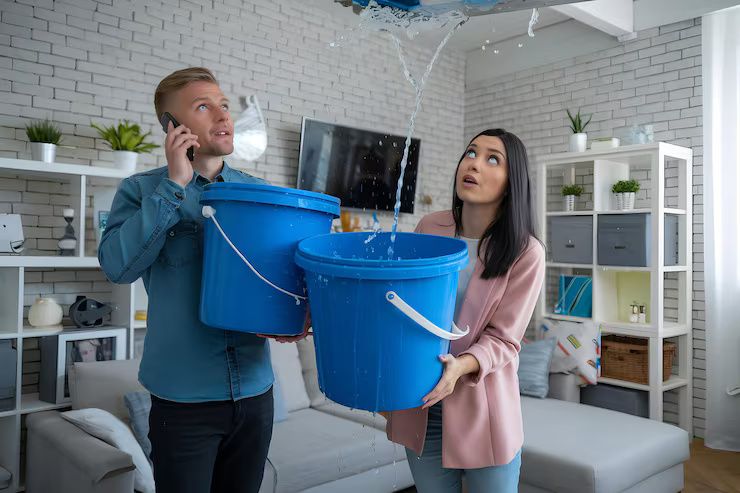
Understanding the causes of water leakage, recognizing early warning signs, and following practical maintenance practices enables homeowners to protect their property and respond effectively when problems occur.
Common Sources of Water Leakage
Water can enter or escape from several areas within a home. Some leaks develop suddenly because of damaged pipes, while others appear gradually due to aging materials or poor maintenance.
Plumbing systems are among the most common sources of leakage. Worn pipe joints, loose fittings, corroded pipes, damaged valves, and cracked supply lines can all allow water to escape behind walls or beneath floors.
Roofing systems also contribute to household leaks. Broken shingles, damaged flashing, clogged gutters, or deteriorated waterproof membranes may allow rainwater to penetrate ceilings and attic spaces during heavy rainfall.
Bathrooms, kitchens, balconies, and laundry rooms experience frequent water exposure. Waterproofing failures in these areas often allow moisture to seep into surrounding walls and lower floors over time.
Early Signs That Should Not Be Ignored
Water leakage often develops before obvious damage becomes visible. Recognizing early symptoms allows repairs to begin before structural deterioration occurs.
Common warning signs include:
- Damp or discolored walls
- Ceiling stains
- Peeling paint or wallpaper
- Persistent musty odors
- Mold growth
- Warped flooring
- Bubbling wall finishes
- Unexplained increases in water consumption
These symptoms may appear far from the actual leak because water often travels along structural surfaces before becoming visible.
How Water Leakage Affects a Home
Ignoring water leakage can lead to problems beyond cosmetic damage. Continuous moisture weakens building materials and may shorten the service life of structural components.
Wood framing exposed to prolonged moisture can rot, while steel reinforcement inside concrete may become vulnerable to corrosion under certain conditions. Drywall loses strength when saturated, leading to sagging ceilings or damaged wall surfaces.
Indoor air quality may also decline as excessive moisture encourages mold and mildew growth. These conditions create unpleasant odors and may affect occupant comfort, particularly in poorly ventilated spaces.
Electrical systems located near leaking water present additional safety concerns and should always be inspected if water reaches wiring or electrical fixtures.
Finding the Source of a Leak
Locating the true source of water leakage is often more challenging than identifying the visible damage. Water rarely travels in a straight path and may move through ceilings, insulation, framing, or wall cavities before appearing.
A systematic inspection usually begins by identifying when the leak occurs. Leaks that appear only during rainfall often indicate roofing or exterior waterproofing issues, while leaks that continue regardless of weather frequently originate from plumbing systems.
Inspecting exposed pipes, fixtures, ceilings, roof surfaces, windows, balconies, and exterior walls helps narrow the possible source. Moisture detection equipment and thermal imaging are sometimes used during professional inspections to locate hidden leaks without unnecessary wall removal.
Effective Repair Solutions
The appropriate repair depends entirely on the cause of the leakage rather than the visible damage.
Small plumbing leaks may require replacing worn seals, tightening fittings, or installing new pipe sections. More extensive plumbing failures sometimes involve replacing aging pipelines or upgrading deteriorated plumbing systems.
Roof leaks generally require repairing damaged roofing materials, replacing flashing, sealing penetrations, or improving drainage around gutters and downspouts.
Leaks caused by failed waterproofing often require removing damaged surface finishes before applying new waterproof membranes according to recommended installation procedures.
Repairing visible wall stains without addressing the underlying leak only provides temporary cosmetic improvement. Eliminating the source of moisture should always be the first priority.
Preventive Maintenance Reduces Future Problems
Routine maintenance significantly lowers the likelihood of water leakage developing unexpectedly.
Homeowners can reduce risks by:
- Inspecting exposed plumbing regularly
- Cleaning roof gutters and drainage systems
- Checking bathroom sealants
- Examining roof coverings after severe weather
- Repairing small cracks before they expand
- Monitoring water pressure
- Maintaining proper drainage around foundations
- Replacing aging plumbing components when necessary
Consistent inspections often identify developing issues before they require major repairs.
Waterproofing as Long-Term Protection
Waterproofing provides an important layer of defense against moisture intrusion, particularly in areas exposed to frequent water contact.
Bathrooms, balconies, terraces, basements, and exterior walls commonly benefit from professionally installed waterproofing systems. Modern waterproofing materials are designed to accommodate slight structural movement while maintaining resistance to water penetration.
Proper installation remains as important as material selection. Even high-quality waterproofing products may fail if surfaces are inadequately prepared or installation procedures are not followed correctly.
When Professional Assistance Is Appropriate
Some leaks are simple enough to identify and repair, while others require specialized knowledge and equipment.
Professional evaluation is advisable when leaks continue despite repeated repairs, structural damage becomes visible, mold growth spreads, ceilings begin sagging, or the leak source cannot be identified through routine inspection.
Qualified technicians can perform pressure testing, moisture assessments, pipe inspections, and comprehensive building evaluations to determine the underlying cause and recommend suitable repair methods.
Early professional intervention often prevents more extensive structural repairs later.
Frequently Asked Questions
Can a small water leak become a major problem?
Yes. Small leaks may continue unnoticed for long periods, allowing moisture to damage structural materials, insulation, flooring, and interior finishes before obvious symptoms appear.
How often should plumbing systems be inspected?
A visual inspection at least once each year, along with immediate attention to unusual moisture or water pressure changes, helps identify developing issues early.
Does repainting a stained wall solve a leakage problem?
No. Repainting only covers the visible damage. The underlying source of water intrusion must be repaired before restoring interior finishes.
Conclusion
Water leakage in a home can affect structural integrity, interior finishes, and overall living conditions if left unresolved. Understanding where leaks commonly occur, recognizing early warning signs, and responding with appropriate repairs helps protect both the building and its occupants.
Regular inspections, timely maintenance, effective waterproofing, and prompt professional assistance when necessary provide a practical approach to reducing water-related damage. Addressing small leaks before they expand into larger problems remains one of the most effective ways to preserve the long-term condition of any home.